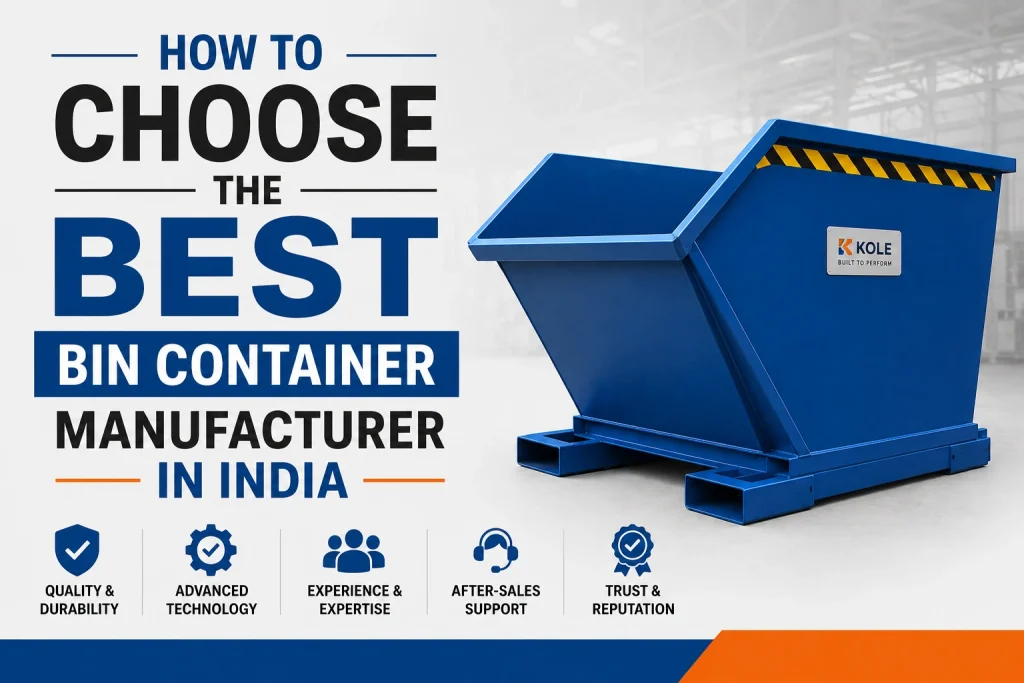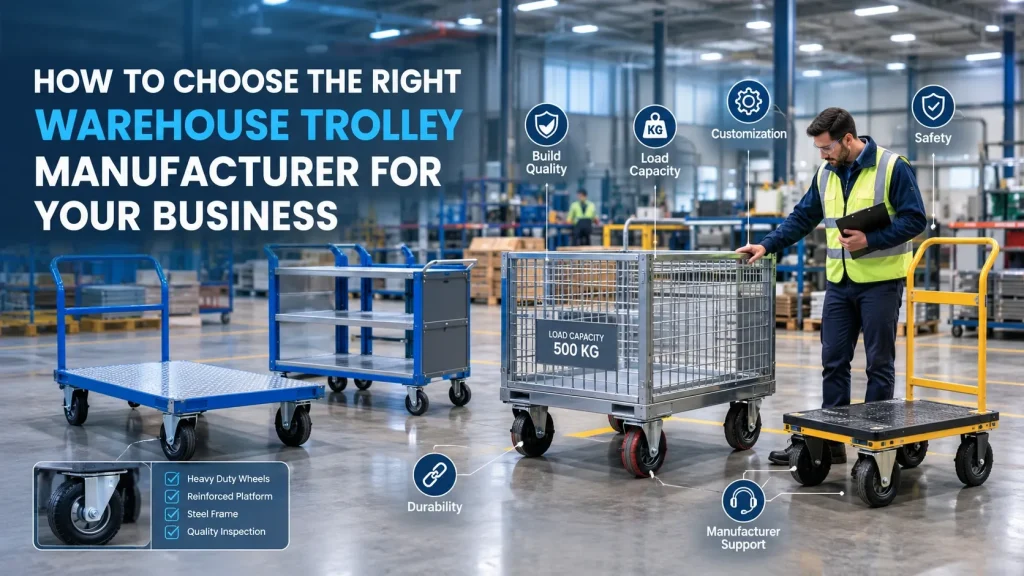
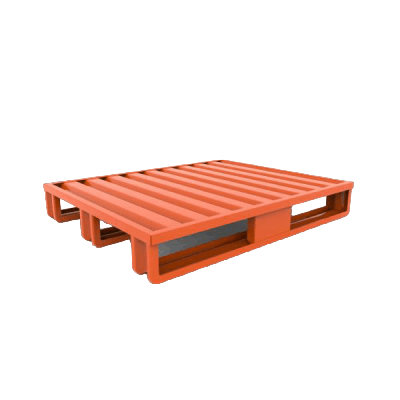
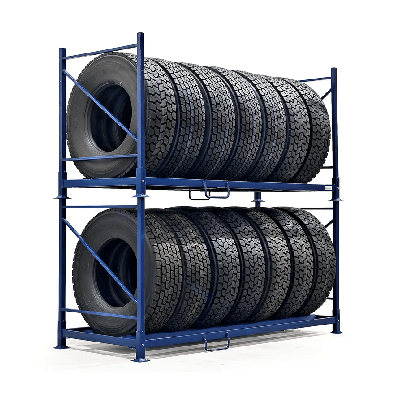
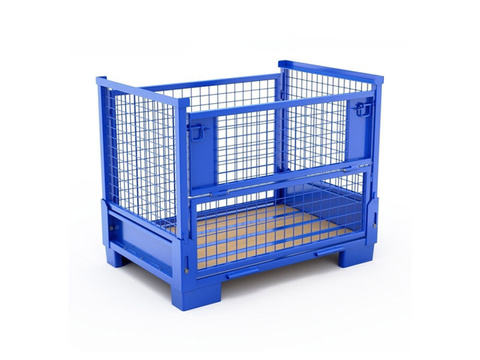
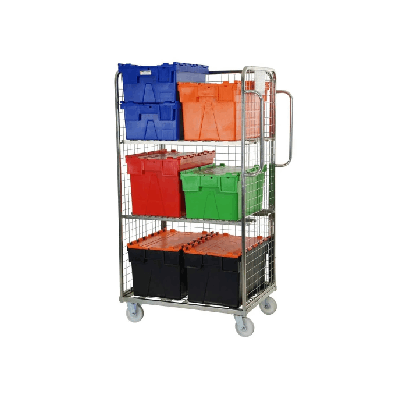
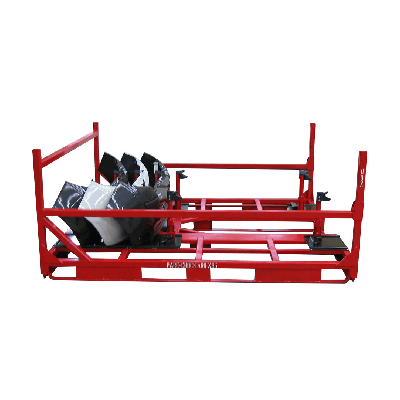
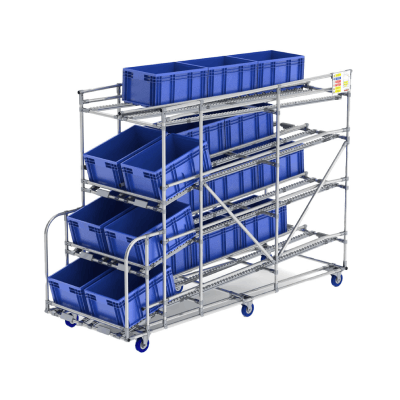
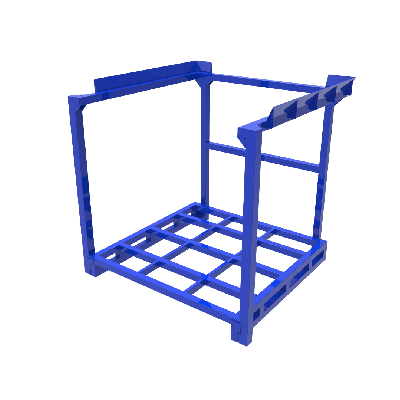
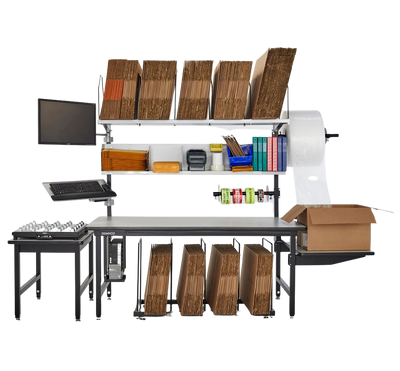
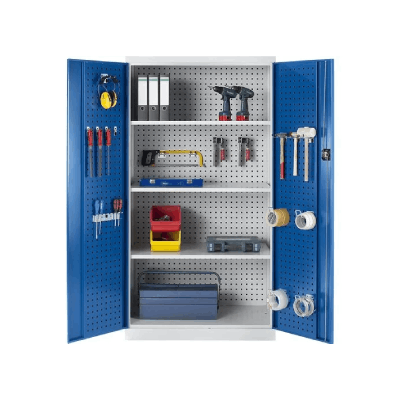






A stillage manufacturer designs and builds custom storage and transport units used to move, stack, and store goods safely in warehouses and factories. These units help businesses handle heavy loads, save space, and improve workflow efficiency. This guide explains everything you need to know before choosing one.
Table of Contents
ToggleWhat Is a Stillage Manufacturer
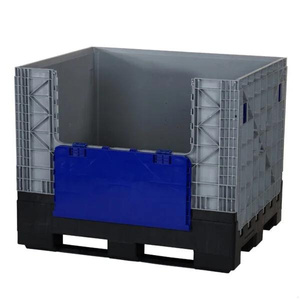
A company that produces stillages falls under this category. Stillages are metal or wooden containers used for storing and transporting goods.
They are common in warehouses, factories, and logistics companies. Businesses use them to organize inventory and move products safely.
A skilled manufacturer designs stillages based on the exact needs of a business. This includes size, load capacity, and material type.
Most manufacturers offer standard designs. Many also offer fully custom builds for unique storage requirements.
Why Businesses Need Stillages
Stillages solve common storage and handling problems. They reduce damage to goods and improve space usage.
Here are the main reasons businesses invest in them:
- Safe stacking of heavy or bulky items
- Better organization inside warehouses
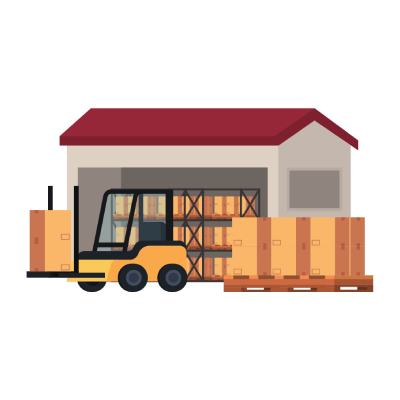
- Easier transport using forklifts
- Reduced product damage during handling
- Long-term durability compared to cardboard packaging
These benefits make stillages a smart choice for manufacturing, retail, and logistics industries.
Benefits of Working With a Professional Stillage Manufacturer
Choosing the right manufacturer brings several advantages. Below are the key benefits businesses can expect.
1. Custom Design Options
A good manufacturer builds stillages based on your product size and weight. This ensures a perfect fit for your storage needs.
2. Strong and Durable Materials
Most stillages are made from steel or heavy-duty wood. This makes them long-lasting, even under constant use.
3. Improved Warehouse Efficiency
Well-designed stillages allow easy stacking. This helps businesses use vertical space and reduce clutter.
4. Better Safety Standards
Stillages reduce the risk of falling or shifting goods. This protects both workers and products.
5. Cost Savings Over Time
Although the upfront cost may seem high, stillages last for years. This reduces long-term packaging and storage expenses.
Common Problems Businesses Face Without Proper Stillages
Many businesses struggle with storage issues before switching to stillages. Common problems include:
- Poor space management
- Frequent product damage
- Difficulty stacking heavy items
- Increased manual handling injuries
- Higher long-term packaging costs
A reliable manufacturer helps solve these problems with the right design and materials.
The Manufacturing Process
Understanding the process helps businesses know what to expect.
Step 1: Requirement Analysis
The manufacturer studies your product type, weight, and storage needs.
Step 2: Design Planning
Engineers create a design based on load capacity and space requirements.
Step 3: Material Selection
Steel, wood, or a combination is chosen based on durability needs.
Step 4: Fabrication
The stillage is built using cutting, welding, and assembly techniques.
Step 5: Quality Testing
Each unit is tested for strength, stability, and safety compliance.
Step 6: Delivery and Installation
The finished stillage is delivered and set up according to business needs.
Cost Details
Stillage pricing depends on several factors. Understanding these helps businesses budget correctly.
Key Cost Factors
- Material type: Steel costs more than wood but lasts longer.
- Size and load capacity: Larger units cost more to produce.
- Customization level: Custom designs increase price compared to standard models.
- Quantity ordered: Bulk orders often reduce the cost per unit.
- Additional features: Wheels, foldable sides, or stacking frames add to the cost.
General Price Range
Basic stillages are more affordable, while heavy-duty or fully customized units cost more. Businesses should request a quote based on their specific requirements for accurate pricing.
Who Is It Best For
Stillages benefit businesses that handle heavy or bulky goods regularly.
They are ideal for:
- Manufacturing companies
- Warehousing and logistics businesses
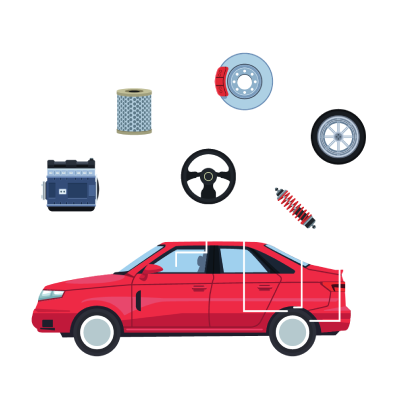
- Automotive parts suppliers
- Food and beverage industries
- Retail distribution centers
Any business needing safe, efficient storage and transport solutions can benefit from stillages.
FAQs
Q1: What does a stillage manufacturer do?
They design and build storage units used for stacking and transporting goods safely.
Q2: What materials are stillages made from?
Most stillages are made from steel, wood, or a combination of both.
Q3: Are custom stillages available?
Yes, most manufacturers offer fully customized designs based on business needs.
Q4: How long do stillages last?
With proper use, steel stillages can last many years due to their durability.
Q5: Do stillages help reduce workplace injuries?
Yes, they improve stacking safety and reduce manual handling risks.
Q6: How is stillage pricing determined?
Pricing depends on material, size, customization, and order quantity.
Conclusion
A stillage manufacturer plays a key role in helping businesses store, stack, and transport goods safely and efficiently. Choosing the right manufacturer ensures durability, safety, and long-term cost savings.
If you’re ready to improve your warehouse storage and handling process, contact us today to get a custom stillage solution built for your business needs.