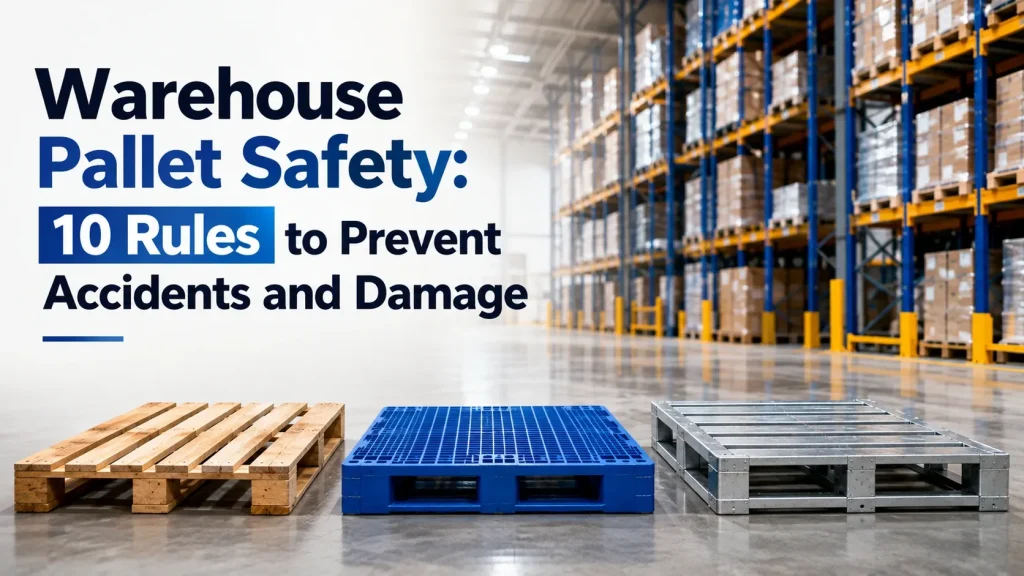
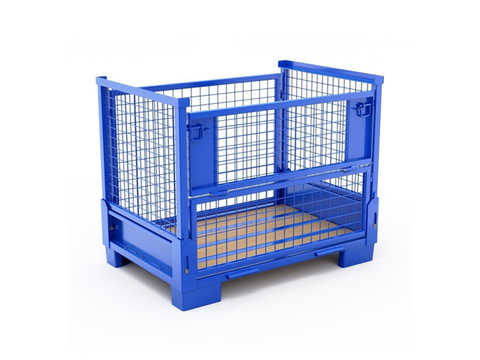
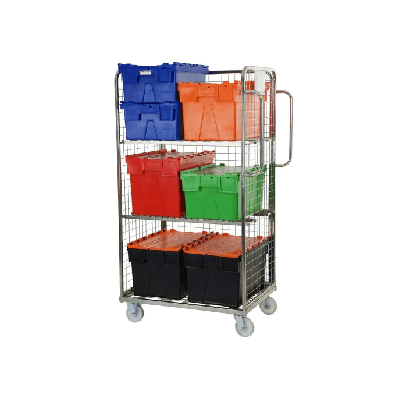
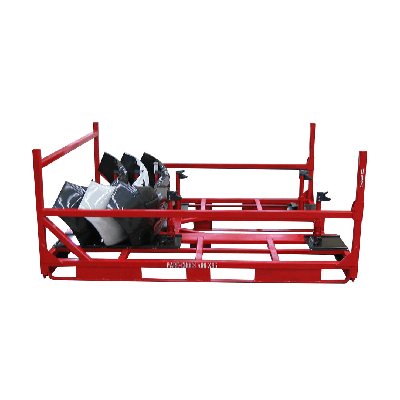
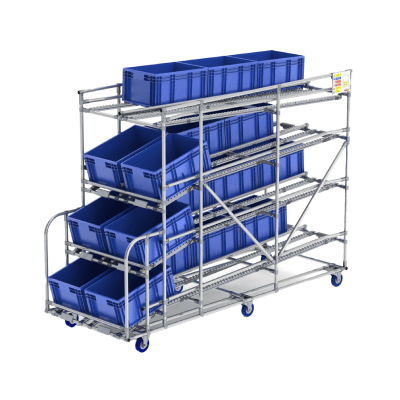









Safe pallet handling comes down to ten simple rules. Check pallets before use, respect load limits, stack evenly, train your staff, and store them correctly. Follow these habits and you will cut injuries, protect your goods, and lower repair costs.
Table of Contents
ToggleWhat Is Warehouse Pallet Safety?
Pallet safety means using, moving, stacking, and storing pallets in a way that prevents harm. It covers the pallet itself, the load on it, the equipment that moves it, and the people nearby.
Most pallet accidents are avoidable. They usually come from damaged pallets, overloading, poor stacking, or rushed handling. A few clear rules solve most of these problems.
The 10 Pallet Safety Rules
1. Inspect Every Pallet Before Use
Look for cracked boards, protruding nails, broken blocks, and bent metal. A damaged pallet can collapse under load. Remove it from use right away.
2. Never Exceed the Load Rating
Every pallet has a weight limit. Know both the static load (resting) and the dynamic load (moving). Racking loads are often lower than both, so check all three.
3. Stack Loads Evenly
Place heavy items at the bottom and lighter ones on top. Keep the weight centered. An uneven load tips easily when a forklift turns.
4. Keep Loads Within the Pallet Edges
Boxes that hang over the edge lose support. They also catch on racks and walls. Align every layer with the pallet footprint.
5. Secure the Load
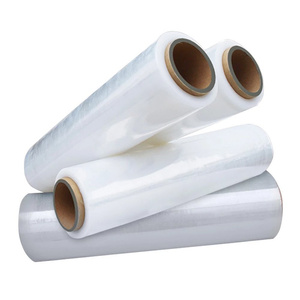
Use stretch wrap, strapping, or corner boards. A wrapped load moves as one unit and stays put during transit.
6. Use the Right Equipment
Match the forklift or pallet jack to the load weight. Insert the forks fully and lift smoothly. Sudden moves cause most tip-overs.
7. Train Your Staff
Trained workers make fewer mistakes. Teach them safe lifting, forklift rules, and how to spot a bad pallet. Repeat the training every year.
8. Stack Pallets at Safe Heights
Do not stack beyond the limit set for your pallet type and floor. Leave clear gaps for aisles and fire exits. Use racking for tall storage instead of floor stacking.
9. Store Pallets Properly
Keep wooden pallets dry and off wet floors. Store them flat in neat stacks. Keep plastic pallets away from direct heat, since they can soften.
10. Keep Walkways Clear
Loose pallets in aisles cause trips and collisions. Assign a fixed area for empty pallets and enforce it daily.
Common Problems Caused by Poor Pallet Safety
Ignoring these rules creates real costs. Here is what usually goes wrong.
Worker injuries. Falling loads, forklift collisions, and splinter cuts are common. Some injuries lead to lost workdays and legal claims.
Product damage. A collapsed stack can destroy stock in seconds. One bad pallet can ruin an entire shipment.
Equipment damage. Broken pallets jam conveyors and scratch racking. Repairs slow down your operation.
Fire and hygiene risks. Damaged wooden pallets feed fires faster. Wet ones grow mold and contaminate food goods.
Compliance trouble. Unsafe storage can fail audits and raise insurance costs.
Safe Pallet Handling: Step-by-Step Process
Use this routine each shift.
- Inspect the pallet before loading.
- Check the load rating against your weight.
- Build the load with heavy items at the base.
- Wrap or strap the load firmly.
- Lift with the correct forklift or jack.
- Move at low speed with forks tilted back slightly.
- Place the pallet fully inside the rack or stack.
- Tag any damaged pallet and remove it.
This takes only a few minutes. It prevents hours of cleanup later.
Cost Details
Safety costs less than accidents. Here is a rough idea of typical spending in India.
| Safety Item | Approximate Cost |
|---|---|
| Pallet inspection (in-house, per month) | Staff time only |
| Stretch wrap and strapping | Rs 5,000 to Rs 25,000 per month |
| Forklift operator training | Rs 3,000 to Rs 10,000 per person |
| Pallet repair (per pallet) | Rs 100 to Rs 400 |
| Replacement wooden pallet | Rs 500 to Rs 1,200 |
| Replacement plastic pallet | Rs 1,500 to Rs 5,000 |
Now compare that with the cost of one serious accident. Medical bills, damaged stock, downtime, and insurance claims can reach lakhs of rupees.
Quality matters here too. Cheap, weak pallets break sooner and cost more over time. Investing in the Right Warehouse Pallet for your load lowers repair and replacement spending.
Who Is It Best For?
These rules help any business that stores or ships goods on pallets.
Warehouse managers use them to reduce incidents and meet audit standards.
Logistics and transport companies use them to protect goods in transit.
Manufacturers use them to move heavy products safely between units.
Food and pharma businesses use them to maintain hygiene and avoid contamination.
Small businesses use them to avoid costly mistakes with limited budgets.
FAQs
What is the most common cause of pallet accidents?
Overloading and damaged pallets cause most accidents.
How often should I inspect pallets?
Inspect them before every use, and do a full audit monthly.
Can I repair a damaged pallet?
Yes, wooden pallets can be repaired with new boards. Cracked plastic pallets should be replaced.
How high can I stack pallets?
It depends on the pallet type and load. Follow the manufacturer’s rating and keep stacks stable.
Do I need training to handle pallets?
Yes. Anyone who operates a forklift or pallet jack should be trained.
Which pallet material is safest?
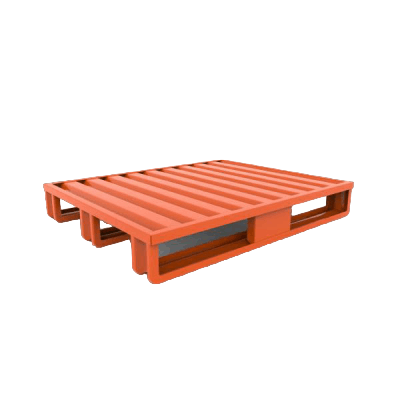
Plastic is safest for hygiene and splinters. Metal is safest for heavy loads. Wood is safe when well maintained.
Conclusion
Pallet safety is simple when you build good habits. Inspect pallets, respect weight limits, stack with care, and train your team. These small steps prevent big losses.
Ready to improve safety in your warehouse? Start with strong, certified pallets built for your load. Share your requirements and get a quote that fits your needs.
Contact us today to get durable pallets and expert guidance for your business.