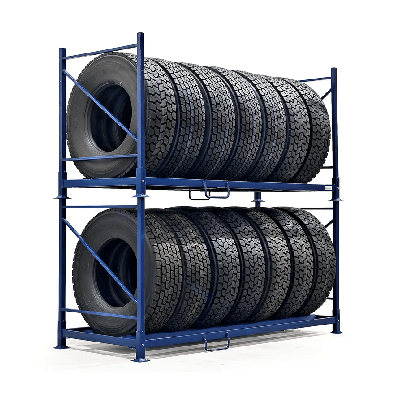
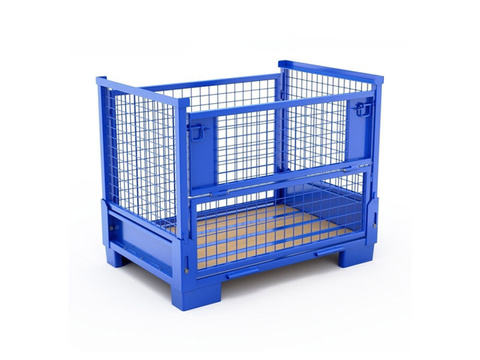
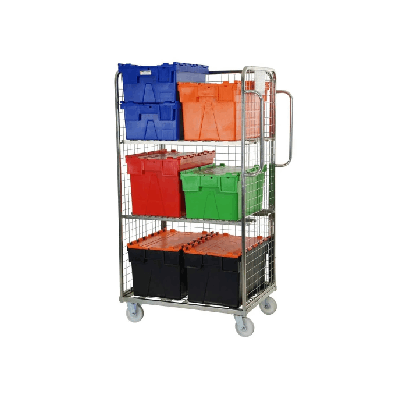
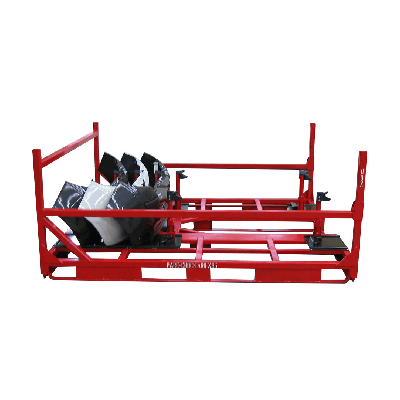










Steel pallets are a durable and reliable solution for modern warehouses, manufacturing facilities, and logistics operations. Choosing the right supplier ensures better load capacity, improved warehouse safety, and long-term cost savings while supporting efficient material handling.
If your business requires strong and reusable storage solutions, selecting the right steel pallet is an investment that delivers long-term value.
What Is a Steel Pallet Manufacturer?
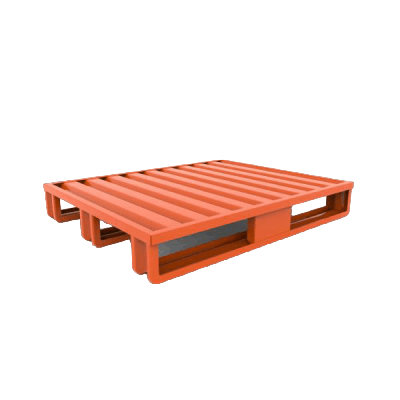
A steel pallet manufacturer designs and produces industrial-grade pallets made from high-quality steel for storing, transporting, and handling heavy goods. Unlike traditional wooden pallets, steel pallets offer greater strength, longer service life, and resistance to moisture, fire, and pests.
These pallets are widely used in warehouses, automated storage systems, manufacturing plants, export facilities, and distribution centers where durability and performance are essential.
When evaluating a STEEL PALLET MANUFACTURER, businesses should focus on product quality, manufacturing standards, customization capabilities, and after-sales support instead of choosing based only on price.
How to Choose the Best Steel Pallets for Your Warehouse
Selecting the right steel pallet requires careful consideration of your operational requirements. Here are the key factors to evaluate.
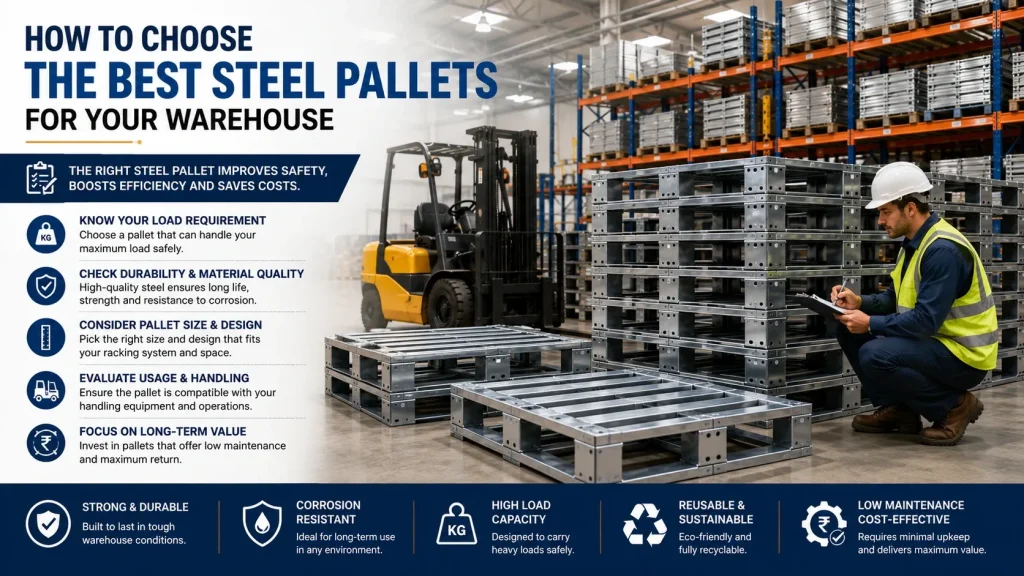
1. Determine Load Capacity
The first step is understanding how much weight each pallet needs to support.
Consider:
- Static load capacity
- Dynamic load capacity
- Racking load capacity
- Type of stored products
Choosing the correct load rating improves safety and extends pallet life.
2. Select the Right Pallet Design
Different warehouses require different pallet configurations.
Common options include:
- Two-way entry pallets
- Four-way entry pallets
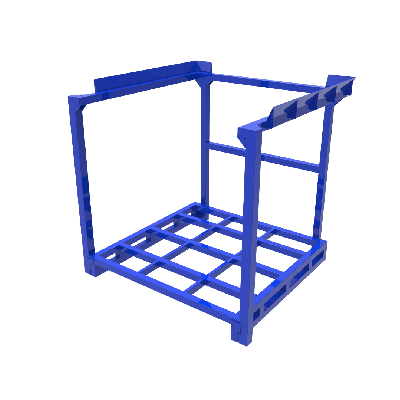
- Stackable steel pallets
- Rackable pallets
- Heavy-duty industrial pallets
- Customized steel pallets
Select the design that best fits your warehouse layout and handling equipment.
3. Check Material Quality
High-grade steel provides greater durability and structural strength.
Look for:
- Strong welded joints
- Corrosion-resistant coating
- Precision manufacturing
- High-quality surface finishing
Quality materials reduce maintenance and increase service life.
4. Evaluate Warehouse Compatibility
Your pallets should work efficiently with:
- Forklifts
- Pallet trucks
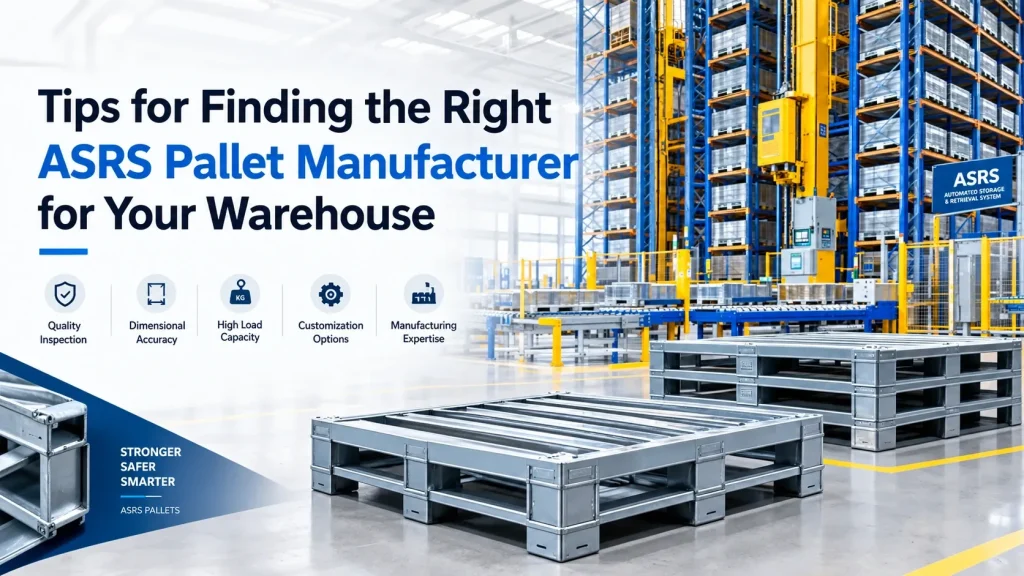
- Automated storage systems (ASRS)
- Conveyor systems
- Warehouse racking
Proper compatibility improves productivity and reduces handling issues.
5. Consider Customization Options
Every business has different storage requirements.
A manufacturer should offer customization such as:
- Custom dimensions
- Different load capacities
- Special coatings
- Industry-specific pallet designs
These features help maximize warehouse efficiency.
6. Choose an Experienced Supplier
Experience matters when selecting industrial storage equipment.
Businesses searching for a STEEL PALLET MANUFACTURER should review manufacturing expertise, production capacity, quality certifications, and customer support before making a decision.
Benefits of Steel Pallets
Steel pallets offer several advantages over traditional pallet materials.
Exceptional Strength
Steel pallets support heavy loads without bending or breaking, making them suitable for demanding industrial applications.
Long Service Life
Unlike wooden pallets, steel pallets resist wear and last for many years with minimal maintenance.
Improved Warehouse Safety
Strong construction reduces the risk of pallet failure and helps create a safer workplace.
Moisture and Pest Resistance
Steel does not absorb moisture and is not affected by termites, insects, or mold.
Lower Long-Term Costs
Although the initial investment is higher, steel pallets reduce replacement and maintenance expenses over time.
Better Sustainability
Steel pallets are reusable and recyclable, making them an environmentally responsible choice for modern businesses.
Problems with Choosing Low-Quality Steel Pallets
Poor-quality pallets can create several operational challenges.
Common issues include:
- Structural damage under heavy loads
- Corrosion and rust
- Poor welding quality
- Reduced service life
- Higher maintenance costs
- Product damage during storage
- Safety risks for warehouse staff
Choosing a trusted manufacturer helps avoid these problems and ensures reliable performance.
Process of Selecting the Right Steel Pallet Supplier
Follow these steps before purchasing steel pallets.
Step 1: Identify Your Warehouse Requirements
Determine:
- Product weight
- Storage method
- Warehouse layout
- Handling equipment
Step 2: Compare Manufacturers
Evaluate quality, production capacity, customization options, certifications, and customer reviews.
Step 3: Request Product Samples
Inspect the material quality, weld strength, and finishing before placing a bulk order.
Step 4: Verify Manufacturing Standards
Choose suppliers that follow strict quality control processes and industry standards.
Step 5: Evaluate Customer Support
Reliable technical guidance and after-sales service ensure a smooth purchasing experience.
Step 6: Invest in Long-Term Value
Instead of selecting the lowest-priced option, focus on durability, reliability, and operational performance.
Partnering with an experienced STEEL PALLET MANUFACTURER provides consistent product quality and supports long-term warehouse efficiency.
Cost Details
The cost of steel pallets depends on several factors.
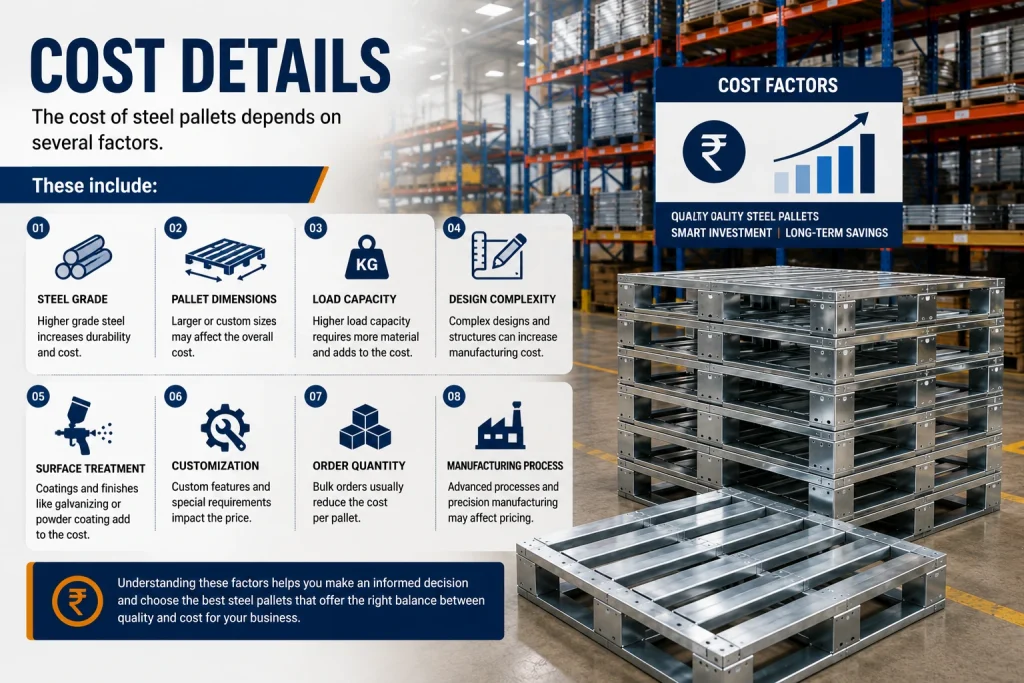
These include:
- Steel grade
- Pallet dimensions
- Load capacity
- Design complexity
- Surface treatment
- Customization
- Order quantity
- Manufacturing process
Custom-built pallets generally cost more than standard models because they are designed for specific operational needs.
Although steel pallets have a higher initial purchase price than wooden alternatives, they offer better durability, lower maintenance costs, and a longer lifespan, making them a cost-effective investment over time.
Who Is It Best For?
Steel pallets are ideal for:
- Warehouses
- Manufacturing plants
- Logistics companies
- Distribution centers
- Automotive industry
- Pharmaceutical companies
- Food processing facilities
- Chemical industries
- Cold storage warehouses
- Export and shipping businesses
- E-commerce fulfillment centers
Any business that handles heavy goods or requires durable storage solutions can benefit from steel pallets.
Frequently Asked Questions
1. Why should I choose steel pallets instead of wooden pallets?
Steel pallets are stronger, more durable, resistant to moisture and pests, and have a longer lifespan.
2. Can steel pallets be customized?
Yes. Manufacturers can provide custom sizes, load capacities, coatings, and designs based on your warehouse requirements.
3. Are steel pallets suitable for automated warehouses?
Yes. Steel pallets are widely used in automated storage and retrieval systems because of their precision and durability.
4. How long do steel pallets last?
With proper maintenance, steel pallets can last for many years, significantly longer than traditional wooden pallets.
5. Which industries commonly use steel pallets?
Warehousing, logistics, automotive, pharmaceuticals, food processing, chemicals, and manufacturing industries use steel pallets.
6. Are steel pallets worth the investment?
Yes. Their long service life, reduced maintenance, and improved operational efficiency provide excellent long-term value.
Conclusion
Choosing the right steel pallet is essential for improving warehouse efficiency, protecting valuable inventory, and reducing long-term operating costs. By considering load capacity, material quality, customization options, and supplier expertise, businesses can invest in a storage solution that delivers reliable performance for years to come.
If you’re looking for durable, high-quality steel pallets tailored to your warehouse requirements, Contact Us today. Our experts are ready to help you choose the right solution for your storage and material handling needs.