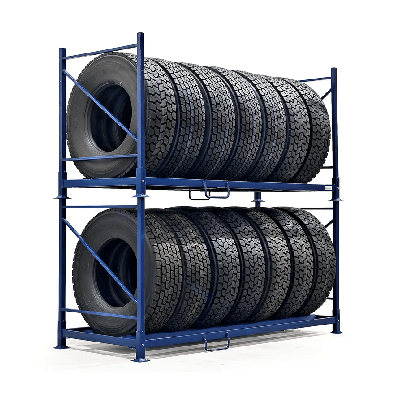
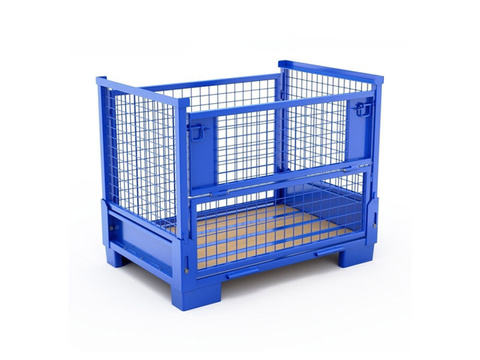
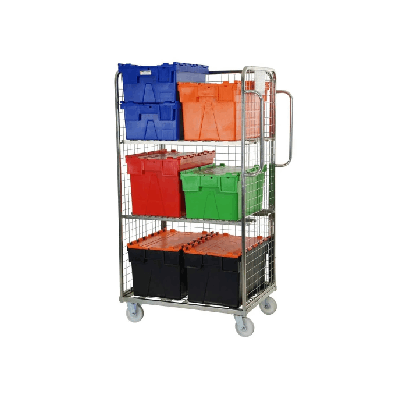
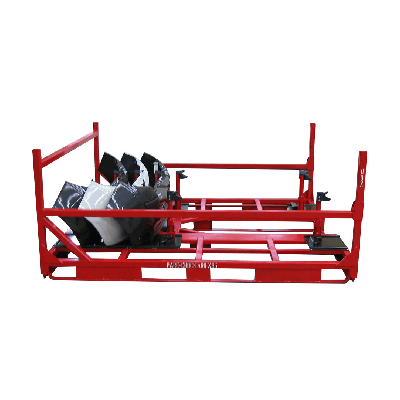







Selecting the right warehouse trolley is essential for improving productivity, reducing manual effort, and ensuring the safe movement of goods. A reliable material handling solution helps businesses streamline operations, minimize workplace injuries, and increase overall efficiency.
Whether you operate a warehouse, manufacturing unit, or distribution center, choosing the right trolley supplier can make a significant difference in your daily operations.
What Is a Warehouse Trolley Manufacturer?
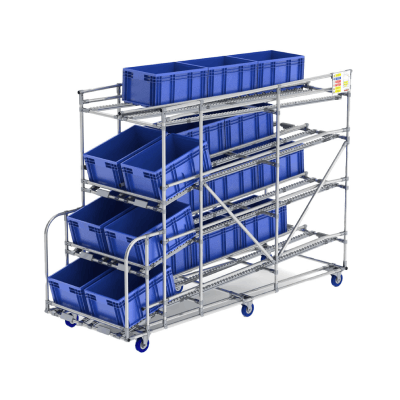
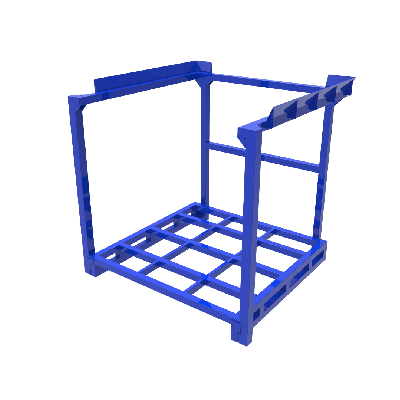
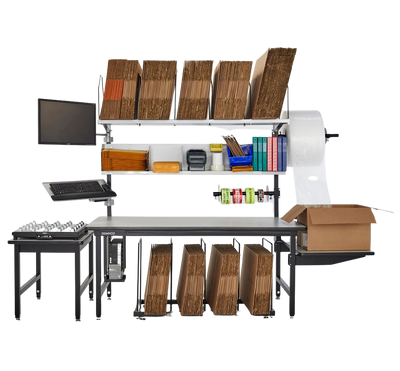
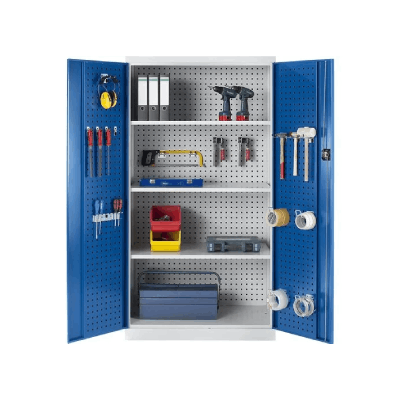
A warehouse trolley manufacturer designs and produces industrial trolleys used for transporting materials within warehouses, factories, logistics centers, and retail facilities. These trolleys are available in various sizes, load capacities, and designs to suit different applications.
Professional manufacturers focus on durability, safety, and performance. They also provide customized solutions based on operational requirements, helping businesses improve workflow and reduce handling time.
When evaluating a WAREHOUSE TROLLEY MANUFACTURER, businesses should consider product quality, engineering expertise, manufacturing capabilities, and long-term service support rather than choosing solely based on price.
How to Choose the Best Material Handling Solution for Your Business
Finding the right material handling equipment requires careful planning. Consider these important factors before making your decision.
1. Understand Your Load Requirements
Determine the average weight your trolley will carry. Selecting the correct load capacity improves safety and extends the product’s lifespan.
Consider:
- Maximum load weight
- Type of goods
- Frequency of use
- Indoor or outdoor operation
2. Choose the Right Trolley Type
Different businesses require different trolley designs.
Common options include:
- Platform trolleys
- Cage trolleys
- Pipe joint trolleys
- Shelf trolleys
- Heavy-duty industrial trolleys
- Customized warehouse trolleys
Choose the model that matches your operational needs.
3. Check Material Quality
High-quality steel, durable welding, and corrosion-resistant finishes improve product life and reduce maintenance costs.
Strong construction also ensures better safety during daily operations.
4. Evaluate Wheel Performance
The quality of trolley wheels directly affects movement.
Look for:
- Smooth rolling wheels
- High load-bearing capacity
- Low maintenance
- Floor-friendly materials
- Reliable braking systems when required
5. Consider Customization
Every warehouse has unique requirements.
A manufacturer offering customized dimensions, shelf configurations, handle designs, and wheel options can provide a better long-term solution.
6. Review Manufacturing Experience
Experienced manufacturers understand industry challenges and produce equipment that meets operational standards.
A dependable supplier also provides technical guidance and after-sales support.
Businesses searching for a WAREHOUSE TROLLEY MANUFACTURER often prioritize these factors because they directly impact operational efficiency and long-term reliability.
Benefits of Choosing the Right Material Handling Solution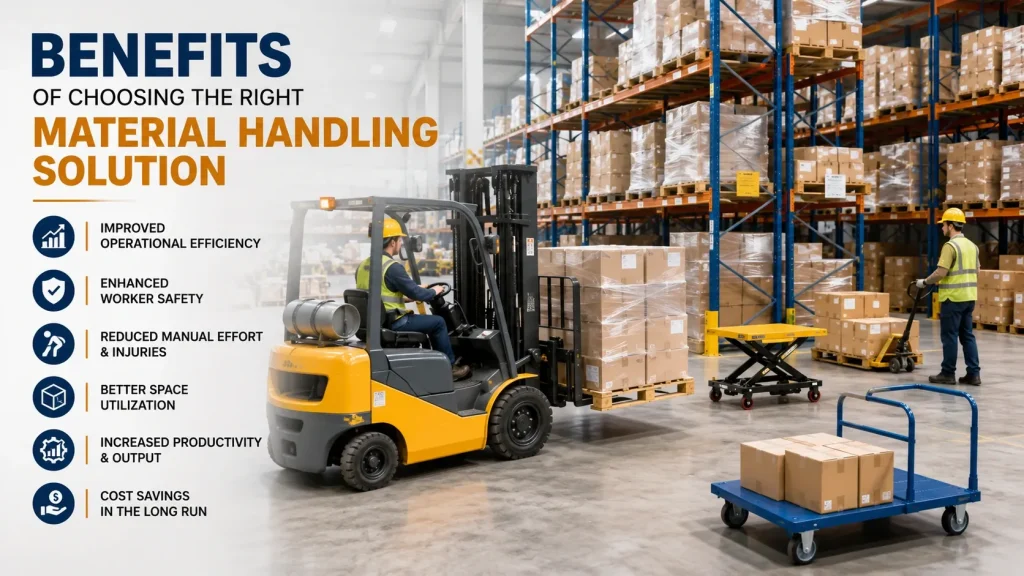
Selecting the right warehouse trolley offers several advantages.
Improved Productivity
Employees can move goods faster with less physical effort, increasing daily operational efficiency.
Better Workplace Safety
Proper material handling equipment reduces manual lifting and lowers the risk of workplace injuries.
Reduced Product Damage
Stable trolley designs keep products secure during transportation, minimizing accidental damage.
Lower Operating Costs
Durable equipment requires fewer repairs and replacements, reducing maintenance expenses.
Faster Warehouse Operations
Efficient movement of goods speeds up receiving, storage, picking, and dispatch activities.
Better Space Utilization
Well-designed trolleys improve material flow and help maintain organized warehouse layouts.
Problems with Choosing the Wrong Supplier
Purchasing low-quality material handling equipment can create operational challenges.
Common problems include:
- Frequent equipment breakdowns
- Poor wheel performance
- Reduced load capacity
- Higher maintenance costs
- Product damage during transportation
- Delayed warehouse operations
- Short equipment lifespan
Choosing a trusted supplier helps avoid these issues and ensures consistent performance.
Process of Selecting the Right Manufacturer
Follow these simple steps before purchasing warehouse trolleys.
Step 1: Assess Business Requirements
Identify your:
- Load capacity
- Material type
- Warehouse layout
- Daily handling volume
Step 2: Compare Manufacturers
Evaluate product quality, customization options, production capacity, delivery timelines, and customer reviews.
Step 3: Request Product Samples
Inspect the build quality and wheel performance before placing bulk orders.
Step 4: Verify Manufacturing Capabilities
Choose a supplier capable of handling both current and future business requirements.
Step 5: Review Support Services
A reliable manufacturer should offer installation guidance, maintenance support, and responsive customer service.
Step 6: Make a Long-Term Investment
Instead of choosing the lowest-priced option, focus on durability, safety, and overall value.
Working with an experienced WAREHOUSE TROLLEY MANUFACTURER ensures consistent product quality and supports long-term operational success.
Cost Details
The cost of warehouse trolleys varies depending on several factors.
These include:
- Material quality
- Load capacity
- Trolley size
- Wheel type
- Design complexity
- Surface finishing
- Customization requirements
- Order quantity
Customized industrial trolleys generally cost more than standard models because they are designed to meet specific operational needs.
Although premium-quality equipment may require a higher initial investment, it typically offers better durability, lower maintenance costs, and improved productivity over time.
Who Is It Best For?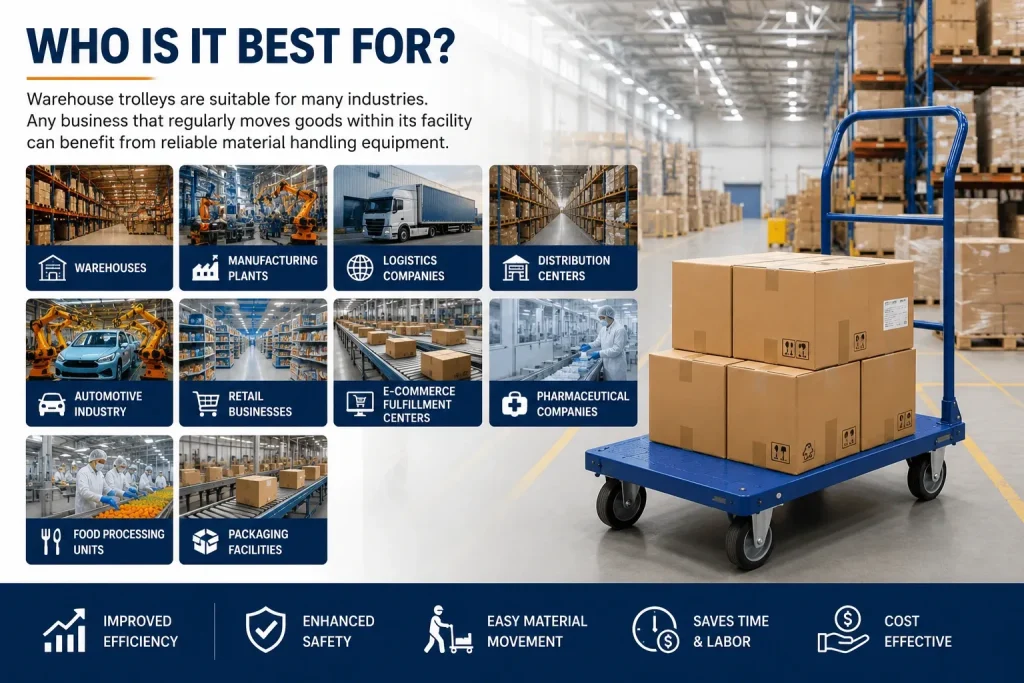
Warehouse trolleys are suitable for many industries, including:
- Warehouses
- Manufacturing plants
- Logistics companies
- Distribution centers
- Automotive industry
- Retail businesses
- E-commerce fulfillment centers
- Pharmaceutical companies
- Food processing units
- Packaging facilities
Any business that regularly moves goods within its facility can benefit from reliable material handling equipment.
Frequently Asked Questions
1. How do I choose the right warehouse trolley?
Select a trolley based on load capacity, material quality, wheel type, application, and warehouse layout.
2. What material is best for industrial warehouse trolleys?
Heavy-duty steel is commonly preferred because it offers excellent strength, durability, and long service life.
3. Can warehouse trolleys be customized?
Yes. Most manufacturers provide custom sizes, designs, shelves, handles, and wheel options.
4. Why is load capacity important?
Using the correct load capacity improves safety, extends equipment life, and prevents structural damage.
5. Which industries use warehouse trolleys?
Warehousing, logistics, manufacturing, retail, pharmaceuticals, automotive, and food processing industries use warehouse trolleys.
6. Are high-quality warehouse trolleys worth the investment?
Yes. Durable trolleys reduce maintenance costs, improve productivity, and provide long-term operational savings.
Conclusion
Choosing the right material handling solution is an investment in your business’s efficiency, safety, and productivity. A well-designed warehouse trolley improves workflow, reduces operational costs, and supports smooth day-to-day operations. By focusing on quality, durability, customization, and supplier expertise, you can select equipment that delivers long-term value.
If you’re looking for reliable, high-performance warehouse trolleys tailored to your business needs, Contact Us today. Our team is ready to help you find the ideal material handling solution for your warehouse or industrial facility.