





Stillages improve warehouse efficiency by creating a structured and secure storage system for goods. They help businesses use available space more effectively, simplify material handling, and reduce the risk of product damage. As a result, warehouses can operate faster, safer, and more efficiently.
Table of Contents
ToggleWhat Is a Stillage?
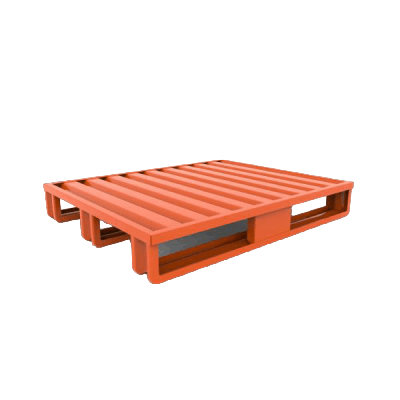
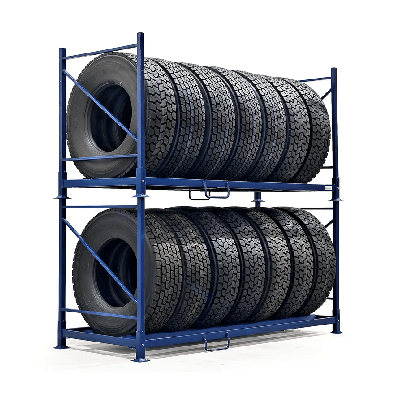
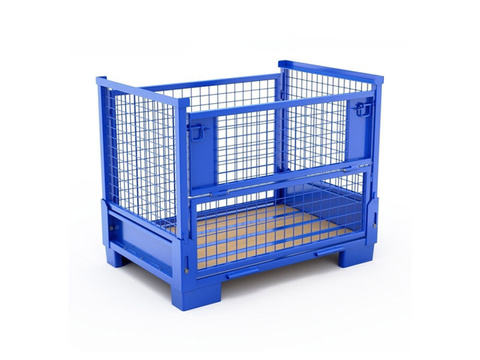
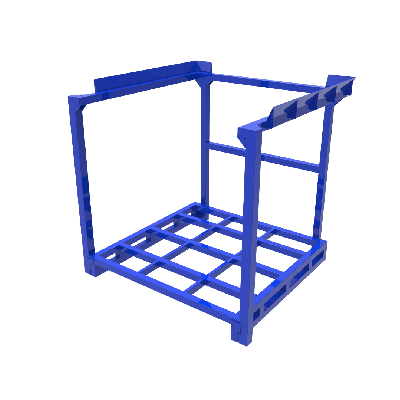
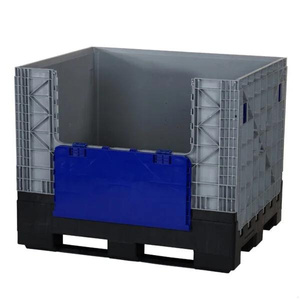
A stillage is a robust storage and transportation unit designed to hold products safely during storage, movement, and distribution. It is widely used in warehouses, manufacturing plants, logistics centers, and industrial facilities where efficient handling of goods is essential.
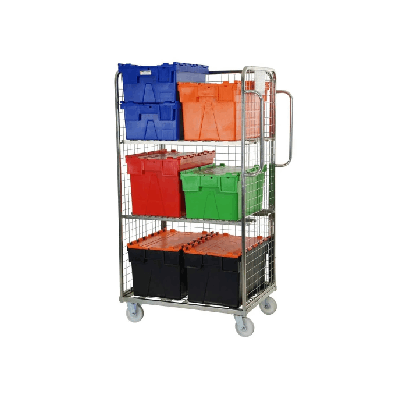
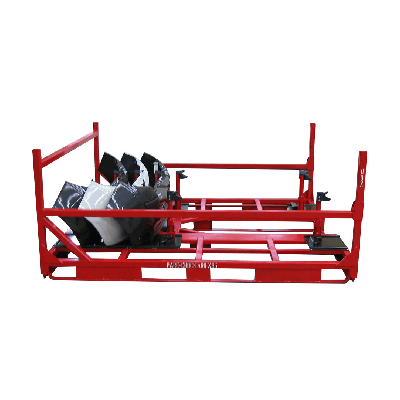
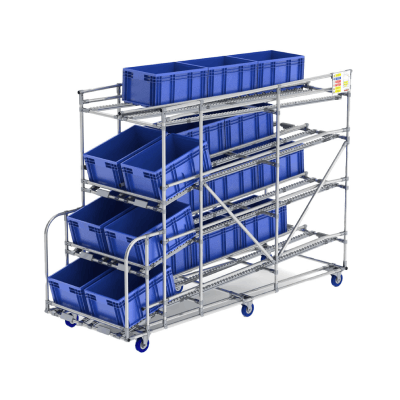
Stillages are available in different configurations, such as stackable, foldable, and custom-built designs. They provide a dedicated space for products, making inventory easier to manage and access. Unlike loose storage methods, stillages create an organized environment that supports smoother warehouse operations.
Common Warehouse Challenges Without Stillages
Many warehouses struggle with operational inefficiencies when products are stored without proper storage systems.
Wasted Storage Space
Products stored randomly often occupy more floor space than necessary. This limits storage capacity and reduces warehouse efficiency.
Increased Product Damage
Items that are stacked improperly or stored without protection are more likely to be damaged during handling and transportation.
Difficult Inventory Management
Without organized storage, locating products can take longer, leading to delays in order fulfillment.
Slower Material Movement
Employees may spend additional time moving and rearranging products, which affects productivity.
Safety Concerns
Poor storage practices can create hazards such as falling products, blocked pathways, and workplace accidents.
Benefits of Using Stillages
Better Space Utilization
Stillages allow products to be stored in a structured manner. Many designs are stackable, helping businesses maximize vertical storage space.
Faster Inventory Access
Organized storage makes it easier for warehouse staff to locate and retrieve products quickly.
Reduced Product Damage
Strong steel frames and secure storage compartments help protect goods from impacts and mishandling.
Improved Material Handling
Stillages simplify the movement of products using forklifts and other warehouse equipment, reducing manual effort.
Enhanced Workplace Safety
Properly stored goods create a safer working environment by minimizing storage-related risks.
Increased Operational Efficiency
When products are organized and easy to access, warehouse processes such as picking, packing, and shipping become more efficient.
Lower Long-Term Costs
By reducing damage, improving productivity, and optimizing storage space, stillages can help lower overall operational expenses.
Why Choosing the Right Stillage Manufacturer Matters
The performance of a storage system depends on its quality, durability, and design. Working with a reliable stillage manufacturer ensures that businesses receive storage solutions built to meet industrial requirements.
A professional manufacturer typically provides:
- Durable steel construction
- High load-bearing capacity
- Custom-designed storage solutions
- Quality-tested products
- Compliance with industry safety standards
- Long-lasting performance
Selecting the right stillage manufacturer can significantly improve warehouse productivity while reducing maintenance and replacement costs over time.
Process: How Stillages Improve Warehouse Efficiency
Step 1: Organize Products
Products are categorized based on size, type, or operational requirements before being placed into stillages.
Step 2: Create Structured Storage Areas
Stillages are positioned strategically throughout the warehouse to establish organized storage zones.
Step 3: Simplify Material Handling
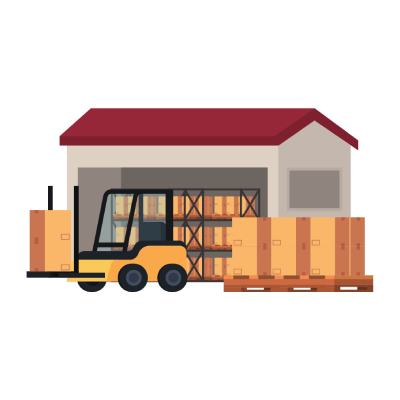
Warehouse teams use forklifts and handling equipment to move loaded stillages efficiently.
Step 4: Maximize Storage Capacity
Stackable designs allow businesses to utilize vertical space without expanding warehouse floor areas.
Step 5: Improve Workflow
Easy access to inventory speeds up picking, packing, and dispatch operations, resulting in faster order fulfillment.
This systematic approach helps warehouses operate more smoothly while improving overall productivity.
Cost Details
The investment required for stillages depends on several factors, including design, material, and customization requirements.
Factors That Influence Cost
Material Used
Steel stillages generally cost more than lighter alternatives because they offer greater durability and strength.
Load Capacity
Stillages designed for heavier loads require stronger construction, which can increase manufacturing costs.
Design Features
Foldable, stackable, and specialized designs may have different pricing structures.
Dimensions
Larger stillages require more material and fabrication work, affecting the overall cost.
Customization
Custom-built solutions designed for specific products or industries may involve additional expenses.
Are Stillages Worth the Investment?
Yes. Although there is an upfront cost, stillages often deliver long-term savings through improved storage efficiency, reduced product damage, and lower labor costs.
Who Is It Best For?
Stillages are suitable for a wide range of industries and operations, including:
- Warehouses and distribution centers
- Manufacturing facilities
- Logistics and transportation companies
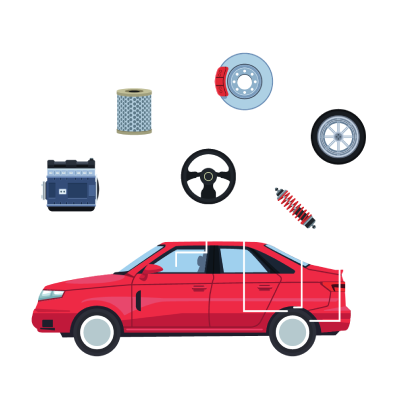
- Automotive industries
- Retail storage operations
- E-commerce fulfillment centers
- Pharmaceutical companies
- Food and beverage manufacturers
Any business that stores, handles, or transports products regularly can benefit from implementing stillages.
FAQs
1. What is the main purpose of a stillage?
A stillage is used to store, protect, and transport products safely and efficiently.
2. How do stillages improve warehouse efficiency?
They improve organization, maximize storage space, and simplify material handling processes.
3. Can stillages help reduce inventory damage?
Yes. They provide secure storage that protects products during handling and transportation.
4. Are stillages suitable for heavy industrial products?
Yes. Many industrial stillages are specifically designed to support heavy loads.
5. Can stillages be customized?
Yes. Manufacturers can create custom stillages based on product dimensions and operational requirements.
6. Which industries commonly use stillages?
Warehousing, manufacturing, logistics, automotive, retail, and pharmaceutical industries frequently use stillages.
Conclusion
Warehouse efficiency depends heavily on effective storage and material handling systems. Stillages provide a practical solution by improving organization, maximizing storage capacity, reducing product damage, and enhancing workplace safety. Their versatility makes them an essential asset for modern warehouses and industrial facilities.
If your business is looking to improve storage efficiency and streamline warehouse operations, investing in high-quality stillages is a smart decision. Partner with an experienced stillage manufacturer to find the right solution for your operational needs and achieve long-term productivity gains.