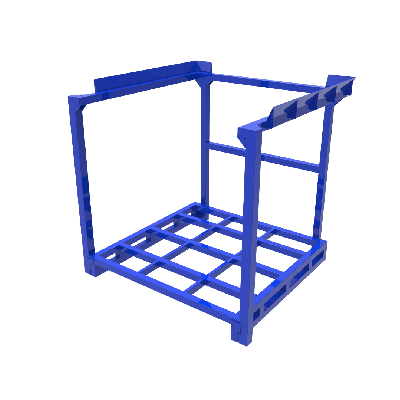








Stacking frames help warehouses use available space more effectively by creating additional storage levels without increasing floor area. They improve inventory organization, enhance safety, and support faster warehouse operations.
As storage demands continue to grow, many businesses rely on stacking frames to increase capacity while maintaining efficient workflows.
Table of Contents
ToggleWhat Is How Stacking Frames Improve Warehouse Storage Efficiency?
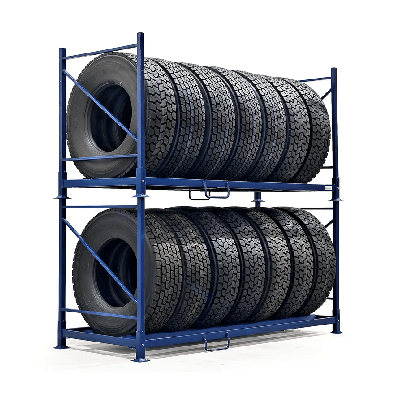
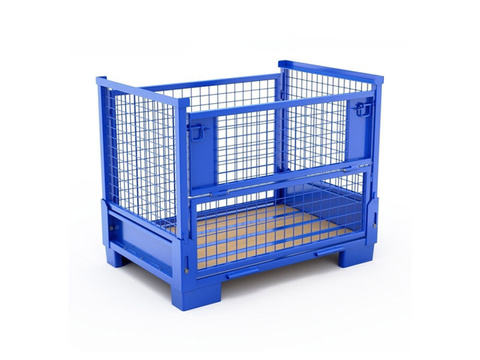
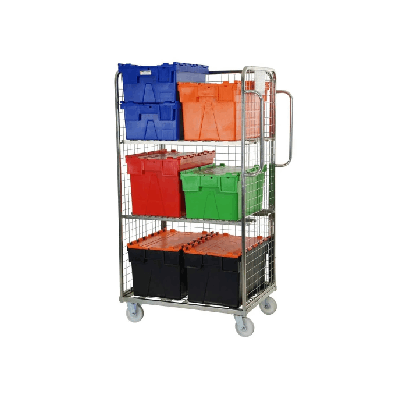
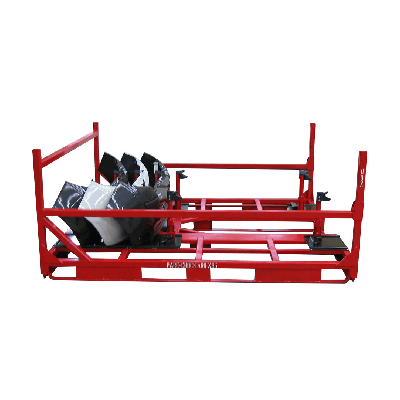
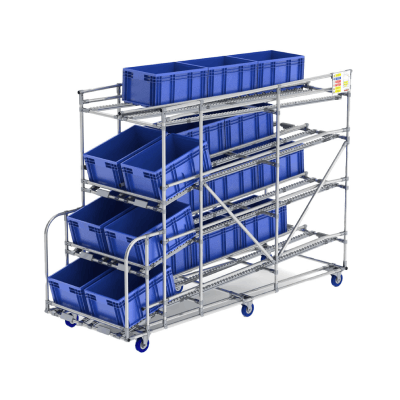
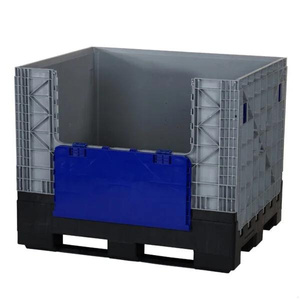
Stacking frames are portable storage structures designed to support pallets, containers, and various types of inventory. They allow goods to be stored vertically, making better use of warehouse height while keeping products organized and accessible.
Unlike fixed racking systems, stacking frames offer flexibility. Businesses can move, stack, or rearrange them as storage needs change. This adaptability makes them a practical solution for warehouses that handle fluctuating inventory levels.
By utilizing vertical storage space, companies can increase storage density and reduce clutter on the warehouse floor.
Common Storage Problems in Warehouses
Many warehouses struggle with storage challenges that impact productivity and operational efficiency.
Limited Floor Space
As inventory increases, available storage space often becomes insufficient. This can lead to overcrowded aisles and inefficient layouts.
Disorganized Inventory
Poor storage organization makes it difficult for employees to locate products quickly, resulting in delays and errors.
Product Damage
Improper stacking methods can cause goods to shift, fall, or become damaged during storage and handling.
Slow Material Handling
When inventory is difficult to access, workers spend more time retrieving products, reducing overall efficiency.
Rising Operating Expenses
Inefficient storage systems often increase labour costs and reduce warehouse productivity.
Benefits of Using Stacking Frames
Maximizes Storage Capacity
One of the biggest advantages of stacking frames is their ability to utilize vertical space. This allows warehouses to store more inventory within the same footprint.
Improves Inventory Management
Organized storage makes it easier to track products, manage stock levels, and reduce inventory errors.
Enhances Workplace Safety
Properly designed stacking systems help stabilize loads and reduce the risk of accidents caused by unsafe storage practices.
Increases Productivity
Employees can locate and retrieve products faster when inventory is stored in a structured manner.
Protects Stored Goods
Stacking frames provide secure support for products, helping minimize damage during storage.
Flexible and Adaptable
Businesses can easily reconfigure stacking frames to accommodate changing inventory requirements.
The Importance of Choosing the Right Stacking Frame Manufacturer
The quality of storage equipment directly affects warehouse performance. Selecting a trusted stacking frame manufacturer ensures that the frames are built to withstand demanding industrial environments while meeting safety standards.
A reputable manufacturer typically offers:
- Durable steel construction
- High load-bearing capacity
- Custom design options
- Quality-tested products
- Compliance with industry regulations
- Long-lasting performance
Working with an experienced stacking frame manufacturer helps businesses achieve better storage efficiency and maximize their return on investment.
Process: How Stacking Frames Improve Warehouse Storage Efficiency
Step 1: Assess Storage Requirements
Warehouse managers evaluate inventory volume, product dimensions, and available space.
Step 2: Plan the Storage Layout
Frames are positioned strategically to maximize storage capacity while maintaining safe access routes.
Step 3: Implement Vertical Storage
Products are stored within the frames, creating multiple storage levels and reducing floor congestion.
Step 4: Improve Accessibility
Clearly organized storage zones allow workers to locate and retrieve inventory more efficiently.
Step 5: Monitor and Optimize
Warehouse teams regularly review storage arrangements and make adjustments as inventory needs evolve.
Following this process helps businesses improve space utilization and streamline warehouse operations.
Cost Details
The investment required for stacking frames depends on several factors, including design specifications and material quality.
Factors Affecting Cost
Material Type
Heavy-duty steel frames generally cost more but offer superior durability and strength.
Weight Capacity
Frames designed for heavier loads require stronger construction, which can increase pricing.
Size and Dimensions
Larger frames typically require more materials and manufacturing resources.
Custom Features
Specialized designs, custom dimensions, or additional safety features may affect overall costs.
Protective Coatings
Galvanized or corrosion-resistant finishes can increase durability and influence pricing.
Are Stacking Frames Worth the Investment?
Yes. Although there is an upfront cost, stacking frames often generate long-term savings by improving storage efficiency, reducing product damage, and lowering operational expenses.
Who Is It Best For?
Stacking frames are ideal for businesses that need flexible and efficient storage solutions, including:
- Warehouses
- Distribution centers
- Manufacturing plants
- Logistics companies
- Automotive facilities
- Retail storage operations
- E-commerce fulfillment centers
- Pharmaceutical warehouses
- Food and beverage industries
Any organization handling large quantities of inventory can benefit from implementing stacking frames.
FAQs
1. What is a stacking frame?
A stacking frame is a portable storage structure used to safely stack and organize inventory in warehouses and industrial facilities.
2. How do stacking frames improve warehouse efficiency?
They increase storage capacity, improve organization, and make inventory easier to access.
3. Can stacking frames replace traditional racking systems?
In some applications, yes. They offer greater flexibility and can be reconfigured as storage needs change.
4. Do stacking frames help reduce product damage?
Yes. They provide stable support and organized storage, helping protect goods from damage.
5. Are stacking frames suitable for heavy-duty applications?
Yes. Many industrial-grade stacking frames are designed to handle substantial loads safely.
6. How long can stacking frames last?
With proper maintenance and quality construction, stacking frames can remain in service for many years.
Conclusion
Efficient warehouse storage is essential for maintaining productivity and controlling operational costs. Stacking frames provide a practical solution by maximizing vertical space, improving inventory organization, enhancing safety, and supporting smoother warehouse operations
Choosing the right stacking frame system depends on your warehouse layout, storage goals, and handling requirements. Taking expert advice during the planning stage can help ensure you implement a solution that delivers maximum efficiency and scalability.