






A smooth warehouse operation depends on how quickly and efficiently products move from one location to another. Warehouse trolleys simplify this process by allowing workers to transport materials with greater ease and control. They help save time, reduce unnecessary physical effort, and support a more productive working environment across storage and distribution facilities.
Table of Contents
ToggleWhat Is a Warehouse Trolley?
A warehouse trolley is a wheeled transport solution designed to assist with the movement of goods inside industrial and commercial facilities. Instead of carrying items manually, employees can use these carts to move products, tools, raw materials, or finished inventory between different work areas.
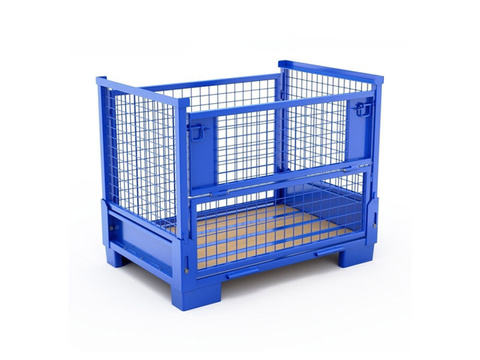
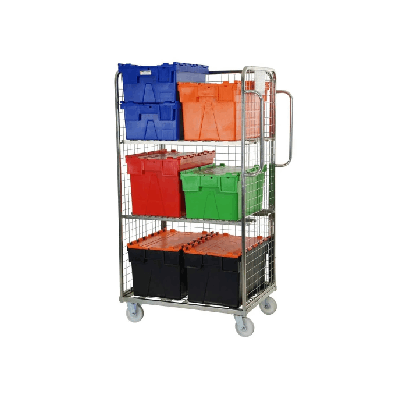
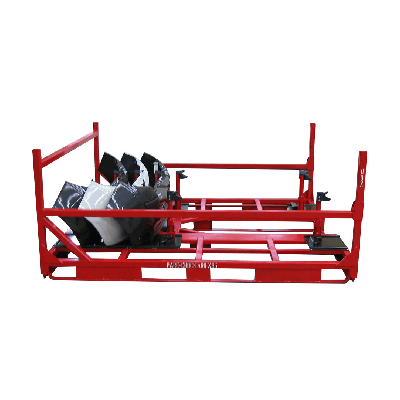
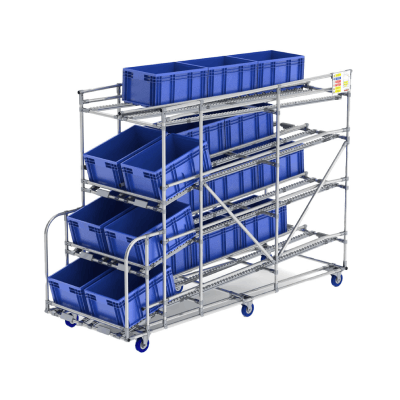
These transport units are available in various configurations, such as flatbed models, mesh-sided carts, shelf-equipped units, and heavy-load carriers. Businesses select different designs based on their workflow requirements and material handling needs.
How Does a Warehouse Trolley Improve Operational Efficiency?
Managing inventory movement efficiently is one of the biggest challenges in warehouse operations. Frequent transportation of products between storage, packing, and shipping areas can consume significant time and resources. A well-designed trolley simplifies internal logistics and helps teams complete routine tasks with greater speed and consistency.
Speeds Up Material Handling
Workers can move larger quantities of goods in a single trip. This reduces travel time and helps complete tasks more quickly.
Reduces Physical Effort
Instead of lifting and carrying heavy items manually, employees can use a trolley to transport loads with minimal strain. This improves productivity and reduces fatigue.
Supports Better Workflow
A structured transportation system helps maintain smooth movement between storage areas, packing stations, and shipping zones.
Improves Inventory Movement
Products can be transferred safely between different warehouse sections without unnecessary delays or handling risks.
Enhances Workplace Safety
Manual lifting often leads to injuries and accidents. Using a trolley reduces these risks and promotes a safer working environment.
Benefits of Using Warehouse Trolleys
Higher Productivity
Employees spend less time moving goods and more time focusing on important operational tasks.
Reduced Product Damage
Goods remain stable during transportation, lowering the chances of breakage or damage.
Less Worker Fatigue
Moving heavy loads becomes easier, helping employees stay productive throughout their shifts.
Lower Operating Costs
Efficient transportation reduces labour requirements and minimizes delays in warehouse processes.
Better Space Management
Organized movement of materials helps maintain cleaner and more accessible warehouse aisles.
Improved Safety Standards
Businesses can reduce workplace hazards and comply with safety regulations more effectively.
Faster Order Fulfillment
Quick movement of inventory helps businesses process and dispatch orders more efficiently.
The Role of a Warehouse Trolley Manufacturer in Operational Efficiency
The performance of a trolley depends heavily on its design and build quality. Choosing a trusted warehouse trolley manufacturer ensures that businesses receive durable and reliable equipment suited to their operational needs.
A professional manufacturer focuses on:
- Strong and durable construction
- High load-carrying capacity
- Smooth wheel movement
- Ergonomic handling features
- Custom-built solutions
- Long-lasting performance
Partnering with an experienced warehouse trolley manufacturer can help businesses improve efficiency while reducing maintenance and replacement costs.
Process: How Warehouse Trolleys Streamline Daily Operations
Step 1: Loading Products
Workers place inventory, tools, or materials onto the trolley from storage racks or receiving areas.
Step 2: Internal Transportation
The trolley is used to move goods through warehouse aisles safely and efficiently.
Step 3: Sorting and Processing
Products are transported to packing stations, assembly lines, or sorting areas.
Step 4: Shipment Preparation
Completed orders are moved to dispatch zones for loading and delivery.
Step 5: Continuous Reuse
After unloading, the trolley is ready for the next task, ensuring uninterrupted workflow.
This simple process helps reduce downtime and keeps warehouse operations running smoothly.
Cost Details
The price of a warehouse trolley varies depending on its specifications and intended use.
Factors Affecting Cost
Material Used
Trolleys made from stainless steel generally cost more than those made from mild steel or aluminum due to their durability and corrosion resistance.
Load Capacity
Models designed for heavier loads typically require stronger materials and construction, increasing the overall cost.
Design Type
Specialized designs such as cage trolleys, multi-shelf units, or custom-built carts may have higher prices.
Wheel Quality
Premium wheels provide smoother movement and longer service life, which can affect pricing.
Customization
Businesses that require specific dimensions or features may need customized solutions, which usually involve additional costs.
Is It a Worthwhile Investment?
Yes. Although the initial investment varies, warehouse trolleys often deliver long-term savings through improved productivity, reduced labor effort, and fewer workplace injuries.
Who Is It Best For?
Warehouse trolleys are suitable for a wide range of industries, including:
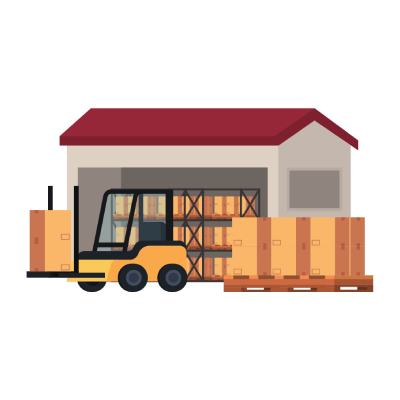
- Warehouses and distribution centers
- Manufacturing facilities
- Logistics and transportation companies
- E-commerce fulfillment centers
- Retail stores
- Automotive businesses
- Pharmaceutical companies
- Food and beverage industries
Any organization that regularly moves products or materials can benefit from using warehouse trolleys.
FAQs
1. What does a warehouse trolley do?
A warehouse trolley helps transport goods and materials safely and efficiently within a facility.
2. How does a warehouse trolley increase productivity?
It allows workers to move multiple items at once, reducing transportation time and effort.
3. Are warehouse trolleys suitable for heavy materials?
Yes. Heavy-duty models are specifically designed to carry large and heavy loads.
4. Can warehouse trolleys improve workplace safety?
Yes. They reduce manual lifting and lower the risk of employee injuries.
5. How long can a warehouse trolley last?
A well-built trolley can last for many years when properly maintained.
6. Should I choose a customized warehouse trolley?
Yes, if your business has unique operational requirements or specific load-handling needs.
Conclusion
Warehouse efficiency depends on having the right systems and equipment in place. A warehouse trolley supports faster inventory movement, improves employee productivity, and helps create a safer workplace. Whether used in manufacturing, logistics, retail, or distribution environments, these transport solutions contribute to smoother daily operations and long-term business performance.
Businesses looking to improve workflow efficiency should evaluate their material handling processes and choose equipment that aligns with their operational requirements. Working with an experienced warehouse trolley manufacturer can help ensure long-lasting performance and better operational results.