








A warehouse is only as good as the systems running inside it. Products move in, get sorted, stored, picked, and shipped out – day after day, often around the clock. When that process flows smoothly, businesses thrive. When it breaks down, the costs pile up fast.
What separates a high-performing warehouse from a chaotic one isn’t just technology or manpower – it’s the quality and thoughtfulness of the storage products being used. The right logistic warehouse storage products create order out of complexity, turning a crowded floor into a well-organized, efficient operation that supports growth at every level. Understanding what these products are, how they work, and why they matter is the first step toward building a truly efficient warehouse.
Table of Contents
ToggleRacking Systems – Making the Most of Vertical Space
Floor space in any warehouse is limited and expensive. The smartest way to get more out of every square foot is to think vertically, and that’s exactly what racking systems are designed for.
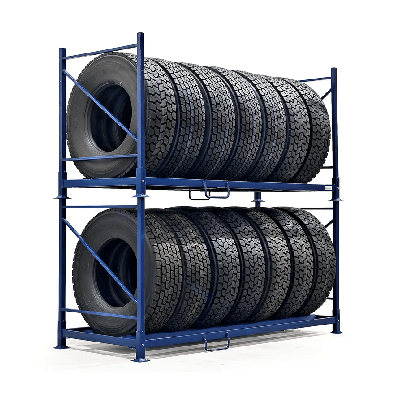
From selective pallet racks to drive-in and push-back systems, modern racking solutions allow warehouses to store significantly more inventory without expanding their physical footprint. Selective racks offer easy access to individual pallets, making them ideal for facilities managing a wide variety of SKUs. Drive-in racking, on the other hand, maximizes storage density for large quantities of the same product.
Push-back racking systems work on a last-in, first-out principle, making them suitable for warehouses dealing with non-perishable goods in high volumes. Each configuration solves a specific storage challenge, and understanding which system fits your operation is key to unlocking the full potential of your available space.
Storage Bins – Organizing the Smaller but Critical Inventory
Not everything stored in a warehouse arrives on a pallet. Small components, spare parts, fasteners, and accessories need their own organized system – and that is where storage bins become essential.
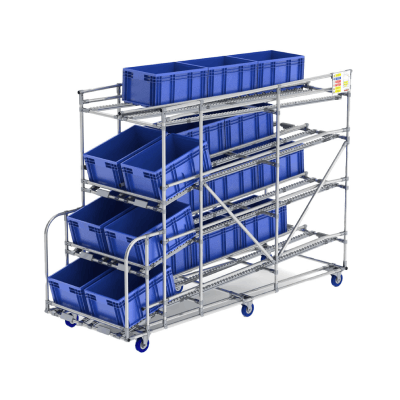
Well-designed storage bins keep small items categorized, visible, and easy to retrieve without disrupting the surrounding workflow. In manufacturing and assembly environments, having the right bin system along a production line eliminates unnecessary search time, reduces picking errors, and keeps operations moving efficiently.
Storage bins are available in a wide range of sizes and materials – from lightweight polypropylene for small parts to reinforced options for heavier components. Features like color coding, integrated label holders, and stackable or mountable designs make them highly adaptable to any warehouse layout or workflow requirement.
Industrial Shelving Units – Flexible and Scalable Storage
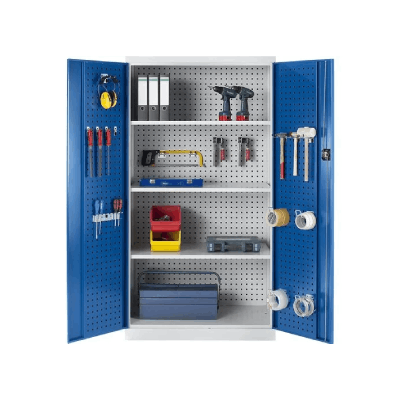
While racking systems are built for heavy pallet loads, industrial shelving units serve a different but equally important role. They provide organized, accessible storage for lighter goods, tools, documents, and medium-weight products that don’t require full pallet handling.
One of the greatest advantages of shelving units is their adjustability. Most industrial shelving systems allow managers to reposition shelf heights as inventory needs change, without requiring new equipment. This flexibility makes them a long-term investment that evolves alongside the business rather than becoming obsolete as operations grow.
Steel shelving in particular offers the strength required for demanding warehouse environments. It resists bending under load, handles humid or dusty conditions better than wood alternatives, and remains easy to clean – an important factor in food, pharmaceutical, and electronics storage environments.
Pallet Containers – Strength Meets Mobility
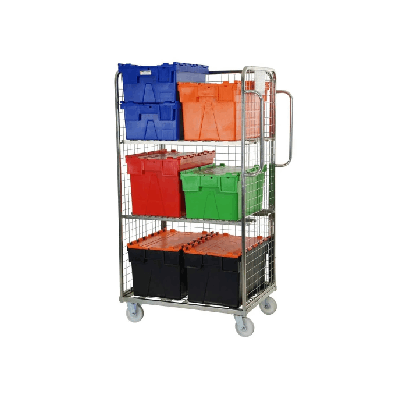
Storing goods efficiently is only half the equation. Moving them safely and quickly around the facility is equally important, and pallet containers are purpose-built to handle both tasks at once.
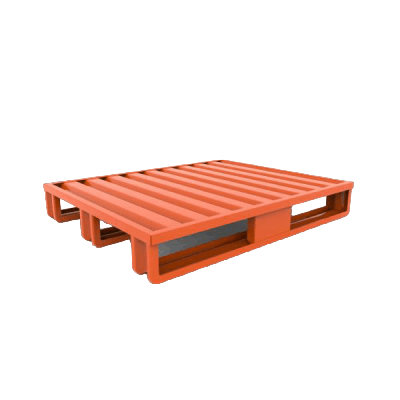
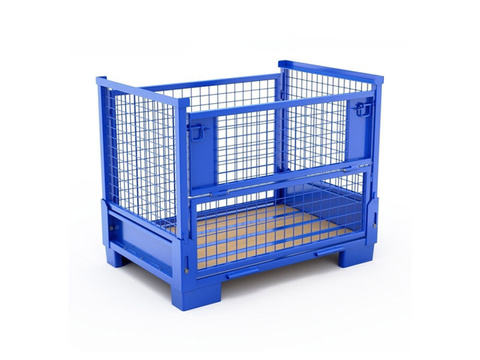
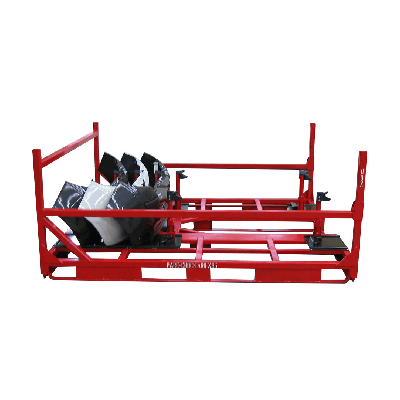
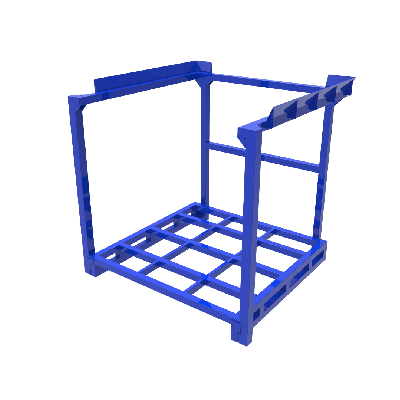
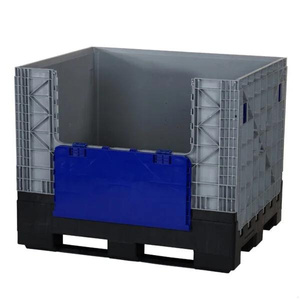
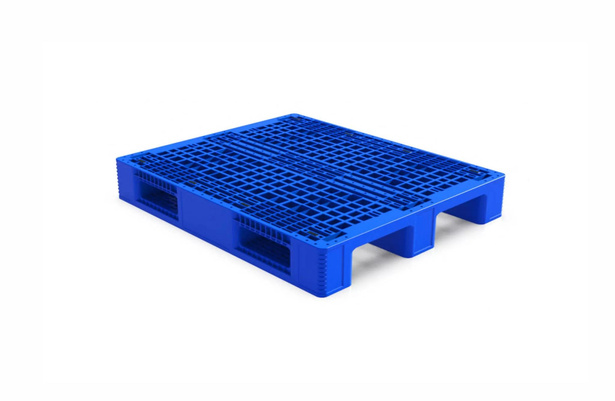
Pallet containers combine the structural strength of heavy-duty storage with the mobility that active logistics operations require. They keep goods secure and protected during internal transport between production zones, storage areas, and loading docks. Their compatibility with standard forklifts and pallet jacks ensures smooth integration into existing material handling workflows without requiring additional equipment.
Stackable designs mean empty containers occupy minimal floor space when not in use, which is a practical advantage in facilities where every square metre of floor space has a purpose. For distribution centers managing high volumes of goods across multiple handling points, pallet containers are a core component of an efficient storage strategy.
Mezzanine Floors – Unlocking the Space Above
Many warehouses are unknowingly leaving a significant portion of their usable space untouched – the vertical area above the main floor. Mezzanine floors address this directly by creating additional levels within the existing building structure, effectively expanding usable space without the cost or disruption of physical expansion.
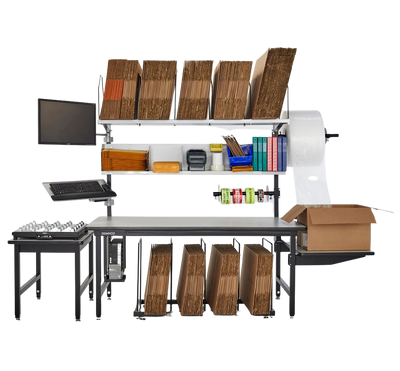
A well-engineered mezzanine can serve multiple purposes – additional storage for slow-moving inventory, dedicated workstations for packing or quality control, or even office space for supervisory staff. They are designed to carry substantial loads and can be customized around existing equipment, columns, and structural elements within the facility.
For growing businesses that have reached the limits of their ground-level storage capacity, a mezzanine floor is one of the most cost-effective solutions available – delivering significantly more usable space without a new building.
Why Standardization Matters Across Storage Products
One of the most overlooked aspects of warehouse storage planning is standardization. When storage products across a facility share compatible dimensions, load ratings, and connection systems, the entire operation becomes easier to manage, maintain, and expand over time.
Standardized storage systems reduce installation errors, simplify staff training, and make scaling operations far more straightforward. When every shelf, rack, bin, and container in the facility follows consistent specifications, warehouse managers can reconfigure layouts, add capacity, or replace individual components without compatibility concerns slowing things down.
Working with a reliable supplier across multiple product categories also ensures that every storage product in the facility meets the same quality benchmark – creating a consistent, dependable storage infrastructure from one end of the warehouse to the other.
Conclusion
Building a truly efficient warehouse comes down to the quality, variety, and thoughtful application of the storage products inside it. From vertical racking systems and organized bin storage to mobile pallet containers and space-creating mezzanine floors, every product plays a specific role in keeping logistics operations running at their best.
Understanding these products in depth – their purpose, their strengths, and where they fit within a warehouse system – gives businesses the knowledge they need to make informed storage decisions that support long-term operational efficiency and growth.