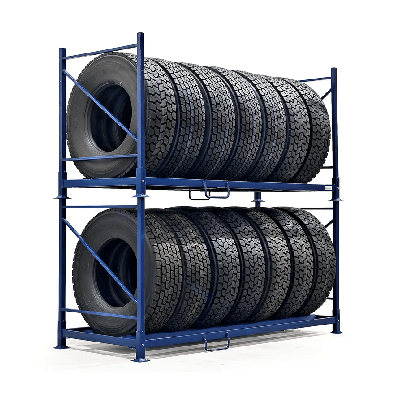
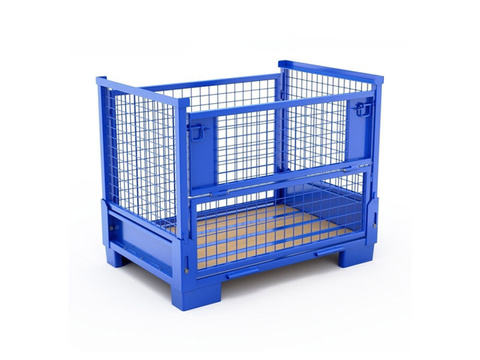
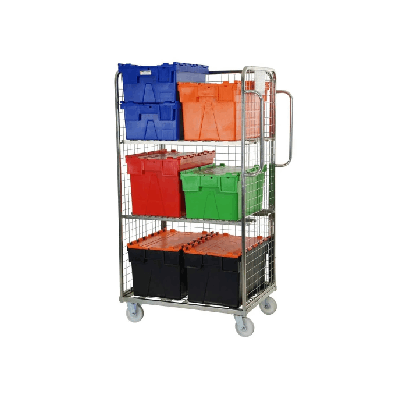
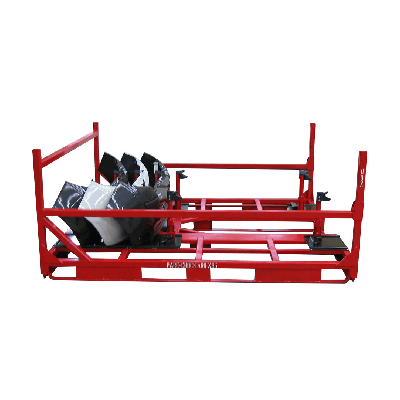

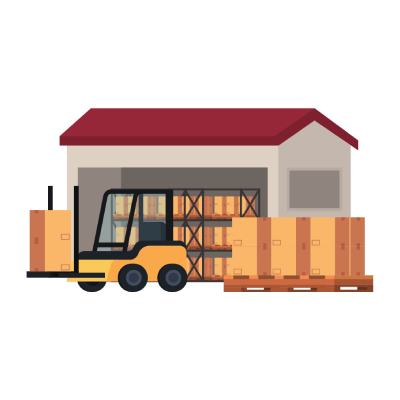









A warehouse pallet is a flat and durable platform used to store, move, and transport goods safely. It helps businesses organize inventory, improve material handling, and make warehouse operations faster and more efficient.
Whether you manage a small storage facility or a large distribution center, choosing the right pallet can reduce damage, improve safety, and increase productivity.
What Is a Warehouse Pallet?
A pallet is a horizontal platform designed to support products during storage and transportation. It allows forklifts, pallet trucks, and other handling equipment to lift and move goods easily.
Businesses across industries use pallets to stack products, maximize storage space, and simplify logistics. They are available in different materials, sizes, and load capacities to suit various operational needs.
Choosing the right WAREHOUSE PALLET depends on factors such as product weight, storage environment, and transportation requirements.
Types of Warehouse Pallets
Different industries require different pallet designs. Below are the most common types.
1. Wooden Pallets
Wooden pallets are the most widely used option because they are affordable and easy to repair.
Best for:
- General warehousing
- Export packaging
- Retail distribution
- Manufacturing units
Advantages
- Cost-effective
- Easy to repair
- Good load-bearing capacity
- Easily available
Limitations
- Can absorb moisture
- Requires maintenance
- May develop splinters over time
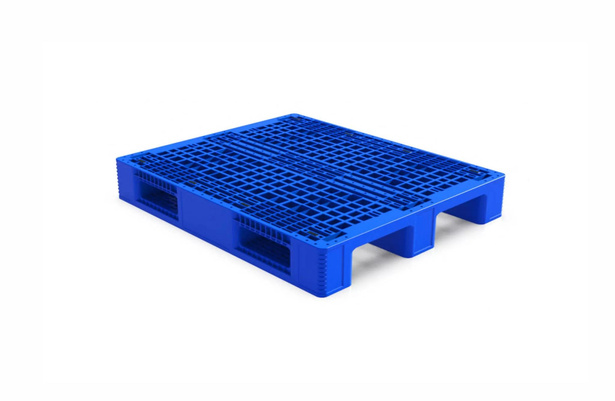
2. Plastic Pallets
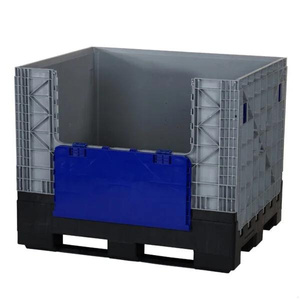
Plastic pallets are lightweight, hygienic, and resistant to water and chemicals.
Best for:
- Food industry
- Pharmaceutical companies
- Cold storage facilities
Advantages
- Moisture resistant
- Easy to clean
- Long service life
- Recyclable options available
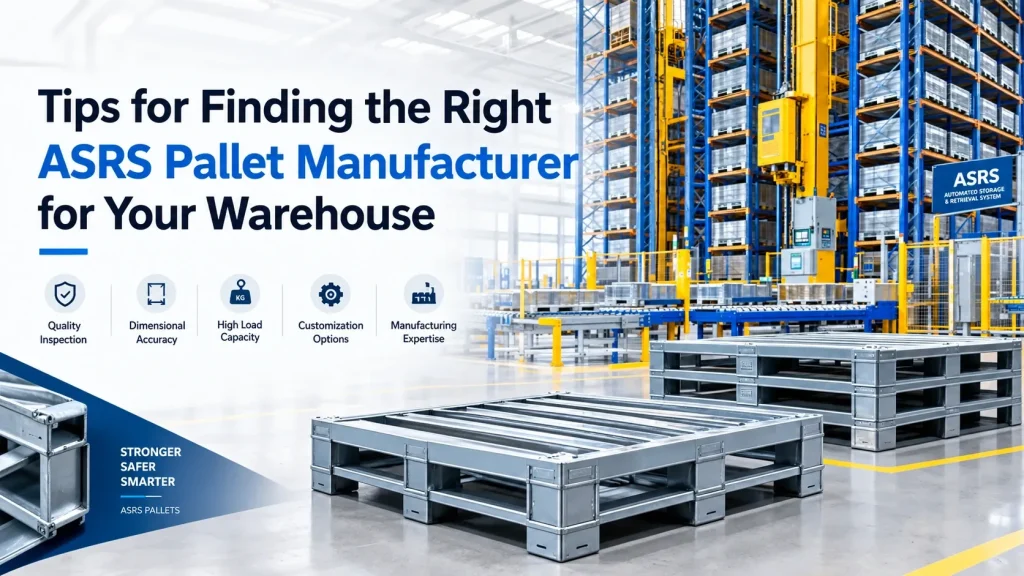
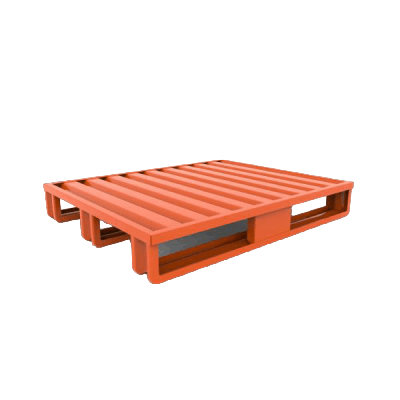
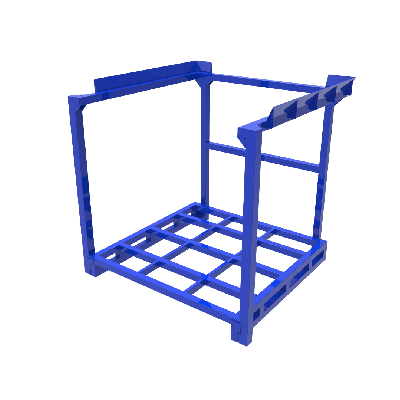
3. Steel Pallets
Steel pallets provide exceptional strength and durability for demanding industrial applications.
Best for:
- Heavy engineering
- Automotive industry
- Industrial warehouses
Advantages
- Extremely strong
- Fire resistant
- Long-lasting
- High load capacity
4. Aluminum Pallets
Aluminum pallets combine strength with lightweight construction.
Best for:
- Export operations
- Cleanroom environments
- High-value products
Advantages
- Rust resistant
- Lightweight
- Durable
- Easy to maintain
5. Composite Pallets
Composite pallets are manufactured using engineered materials to provide consistent performance.
Best for:
- International shipping
- Automated warehouses
- Long-term storage
Common Uses in Modern Warehouses
Pallets play an important role throughout the supply chain.
They are commonly used for:
- Organizing inventory
- Stacking goods safely
- Transporting products within warehouses
- Supporting automated storage systems
- Reducing product damage during shipping
- Improving loading and unloading efficiency
- Maximizing vertical storage space
A properly selected WAREHOUSE PALLET can improve workflow while reducing handling time and operational costs.
Benefits of Using Warehouse Pallets
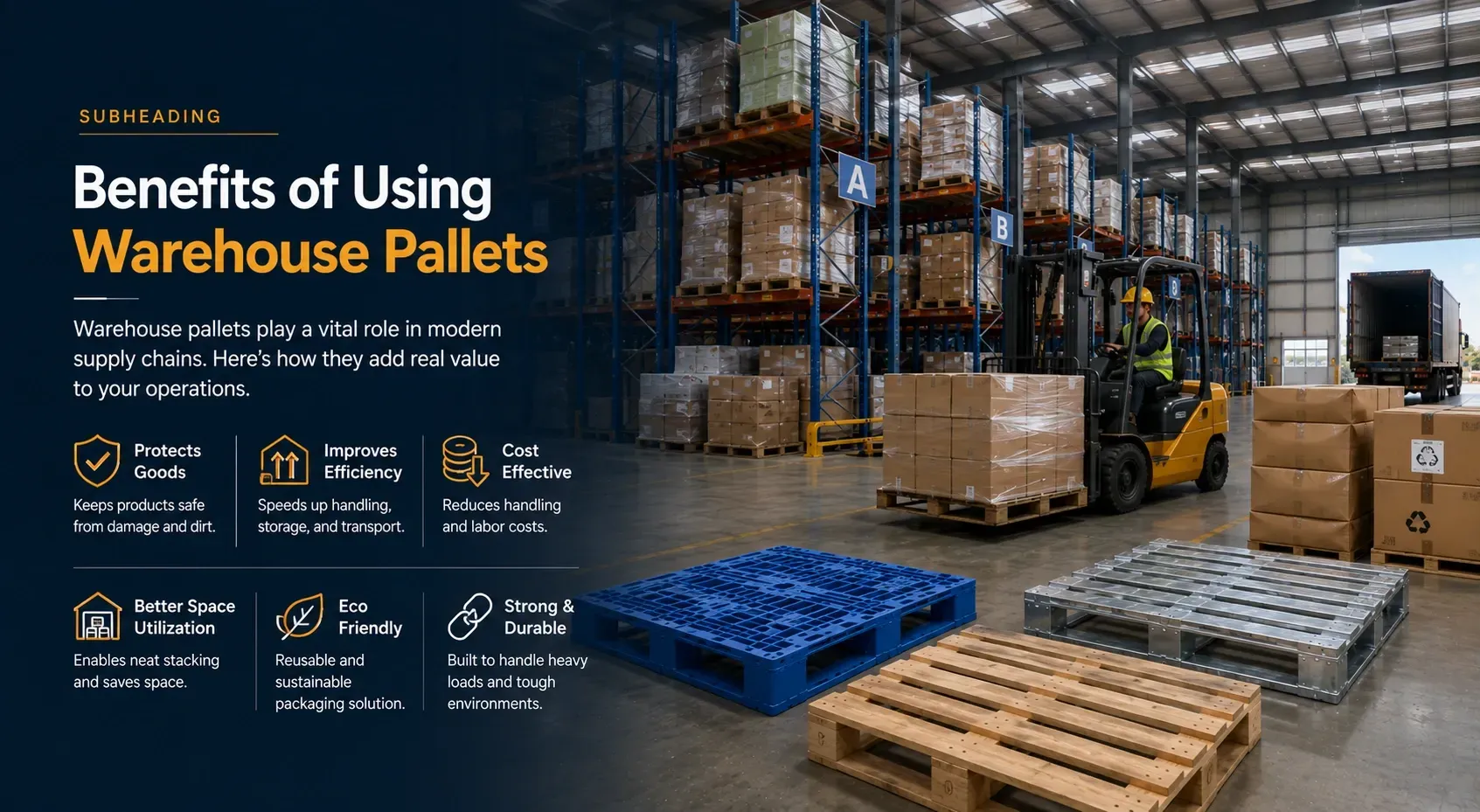
Using quality pallets offers several advantages for businesses.
Improved Material Handling
Forklifts and pallet jacks can move products quickly, reducing manual labour.
Better Warehouse Organization
Pallets make inventory easier to arrange and identify.
Enhanced Product Protection
Proper support reduces the risk of damaged goods during storage and transportation.
Increased Storage Efficiency
Products can be stacked safely to utilize vertical warehouse space.
Faster Loading and Unloading
Standardized pallet sizes speed up logistics operations.
Improved Workplace Safety
Well-designed pallets help create stable loads and reduce handling risks.
Cost Savings
Less product damage and faster operations help lower overall business expenses.
How to Choose the Right Pallet
Selecting the right pallet involves more than choosing the cheapest option.
Consider the following factors:
Load Capacity
Choose a pallet that supports your product weight safely.
Material
Select wood, plastic, steel, or aluminum based on your application.
Warehouse Conditions
Consider humidity, temperature, and exposure to chemicals.
Handling Equipment
Ensure compatibility with forklifts, pallet jacks, and automated systems.
Reusability
Reusable pallets often provide better long-term value.
Shipping Requirements
Some export markets require treated wooden pallets or specific pallet standards.
Buying Process
Follow these simple steps before purchasing pallets.
Step 1: Identify Your Products
Determine product dimensions, weight, and storage requirements.
Step 2: Choose the Right Material
Match the pallet material to your operating environment.
Step 3: Select the Correct Size
Ensure the pallet fits your warehouse racks and transport vehicles.
Step 4: Verify Load Ratings
Check both static and dynamic load capacities.
Step 5: Compare Quality
Look for durable construction and reliable manufacturing standards.
Step 6: Buy from a Trusted Manufacturer
Choose an experienced supplier that provides quality assurance and after-sales support.
Cost Details
The cost of pallets depends on several factors rather than a fixed price.
These include:
- Material type
- Size and dimensions
- Load capacity
- Design specifications
- Quantity ordered
- Surface treatment
- Customization requirements
General Cost Comparison
| Pallet Type | Price Level |
|---|---|
| Wooden | Low |
| Plastic | Medium |
| Steel | High |
| Aluminum | High |
| Composite | Medium to High |
While wooden pallets usually have the lowest upfront cost, steel and plastic options often deliver better long-term value due to their durability.
Who Is It Best For?
Warehouse pallets are suitable for businesses of all sizes, including:
- Manufacturing companies
- Warehouses
- Logistics providers
- Distribution centers
- Retail businesses
- Food processing units
- Pharmaceutical companies
- Automotive industries
- E-commerce fulfillment centers
Frequently Asked Questions
1. What is a warehouse pallet used for?
It is used to store, transport, and organize goods safely while improving handling efficiency.
2. Which pallet material is best?
The best material depends on your products, environment, and budget. Wood is economical, while steel and plastic offer greater durability.
3. How long do pallets last?
Their lifespan varies by material and usage. Proper maintenance significantly extends service life.
4. Are pallets reusable?
Yes. Most quality pallets are designed for repeated use when handled correctly.
5. How do I choose the right pallet size?
Select a size that matches your products, storage racks, and transportation requirements.
6. Are steel pallets better than wooden pallets?
Steel pallets provide higher strength and durability, while wooden pallets remain a cost-effective choice for many standard applications.
Conclusion
Warehouse pallets are essential for safe storage, efficient transportation, and better warehouse management. Choosing the right pallet material, size, and load capacity can improve productivity, reduce product damage, and lower operating costs over time.
If you’re looking for durable, high-quality pallet solutions tailored to your business needs, our team can help you select the right option for your industry. Contact us today to discuss your requirements and get expert guidance on the best pallet solution for your warehouse.