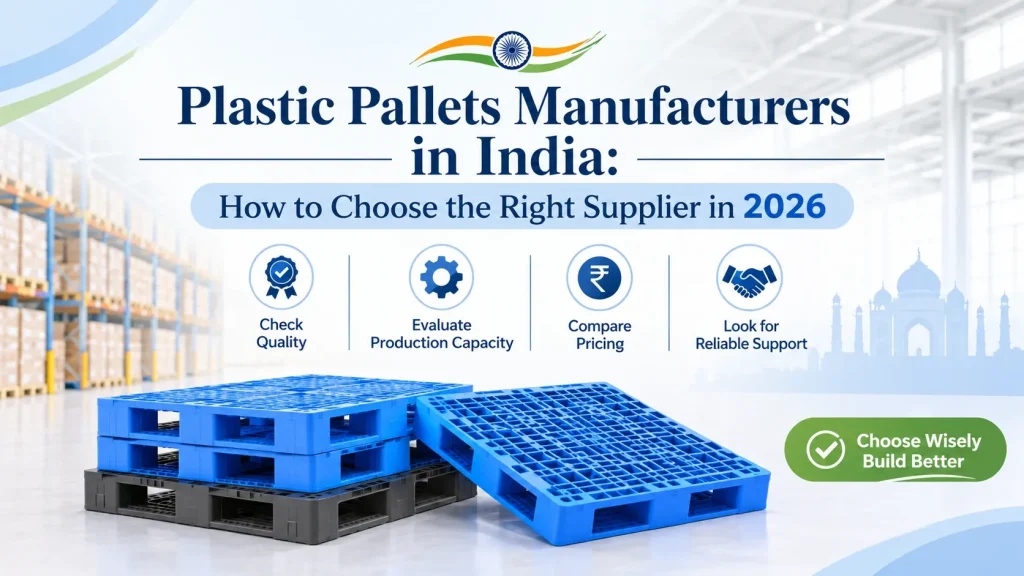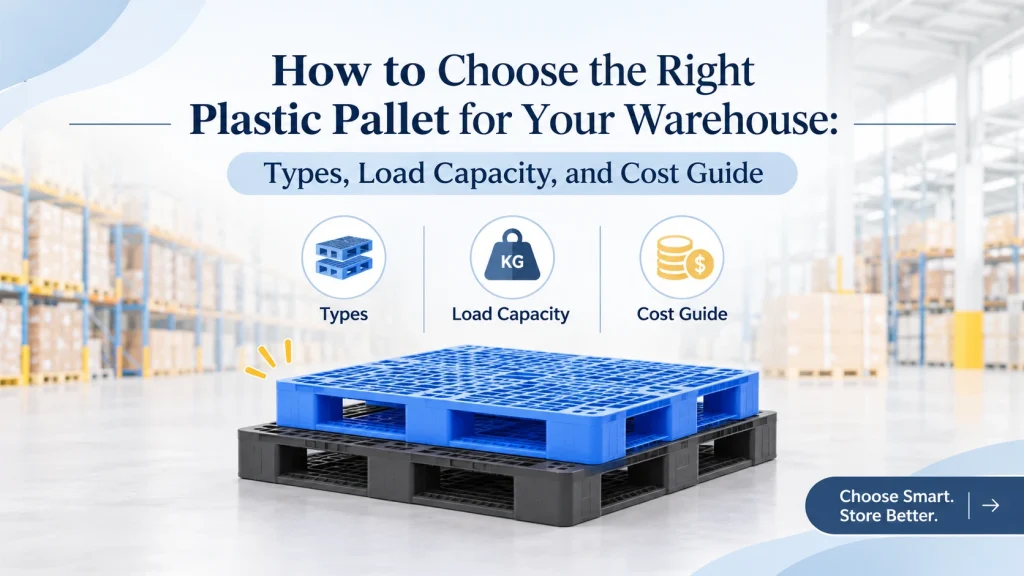





The right plastic pallet supplier in India offers consistent quality, tested load capacity, fair pricing, and reliable delivery. Check these four things first, then compare samples, certifications, and after-sales support. This guide shows you how.
Table of Contents
ToggleWhat Is a Plastic Pallet Supplier in India?
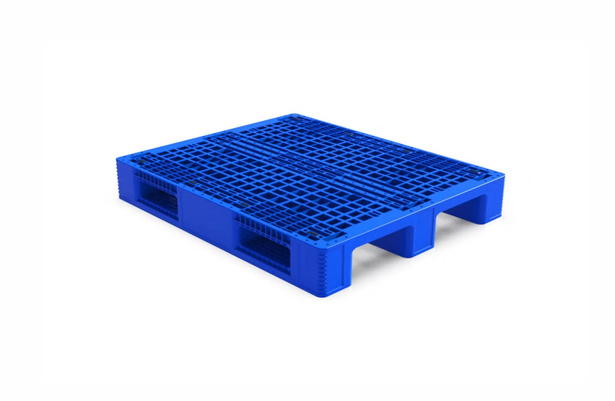
A plastic pallet supplier makes or sells pallets moulded from HDPE (high-density polyethylene) or PP (polypropylene). Businesses use these pallets to store, stack, and move goods.
Some suppliers manufacture the pallets in their own plants. Others only trade them. Manufacturers usually give you better control over quality, customization, and pricing.
Common pallet types include:
- Nestable pallets: they stack inside each other and save space during return trips.
- Stackable pallets: they hold loaded pallets on top of each other in warehouses.
- Rackable pallets: they carry heavy loads on racking systems.
- Export pallets: they are light and need no fumigation.
Benefits of Choosing the Right Supplier
The right partner saves money for years. A weak one costs you damaged goods, rejected shipments, and early replacements. Working with trusted plastic pallets manufacturers in India gives you several clear advantages.
Longer life. Good plastic pallets last many years. Wooden pallets often break within a few trips.
Hygiene. Plastic does not absorb moisture, so it resists mold, pests, and odors. This matters for food and pharma units.
Consistent size and weight. Every pallet is uniform. This helps automated conveyors and racking systems run smoothly.
Worker safety. There are no splinters, nails, or sharp edges.
Export readiness. Plastic pallets skip ISPM-15 fumigation rules, which saves time at customs.
Easy cleaning. You can wash them with water or a mild disinfectant.
Common Problems With a Poor Supplier
- Pallets crack under rated loads.
- Sizes vary from batch to batch.
- Recycled material is passed off as virgin plastic.
- Delivery runs late.
- No warranty or support exists after the sale.
How to Choose the Right Supplier: Step-by-Step Process
Follow this simple process before you place a bulk order.
Step 1: Define your needs. Note the pallet size, load weight, handling method, and industry. Match the pallet to Your Storage Needs before you contact anyone.
Step 2: Check the raw material. Ask if the pallets use virgin or recycled HDPE or PP. Virgin material gives better strength and a longer life.
Step 3: Verify load ratings. Ask for static, dynamic, and racking load figures. Make sure they come with test reports.
Step 4: Request a sample. Test it in your own warehouse. Drop it, stack it, and load it.
Step 5: Review certifications. Look for ISO certification and food-grade or pharma-grade options if your goods need them.
Step 6: Compare customization options. A good manufacturer can adjust color, size, logo, and design. Reliable plastic pallets manufacturers in India also offer anti-slip surfaces and RFID slots.
Step 7: Ask about delivery and support. Confirm lead times, bulk capacity, warranty, and replacement terms.
Step 8: Check references. Talk to two or three existing clients about their experience.
Cost Details
Pallet prices depend on size, weight, material, and order volume. The ranges below are approximate and change with market rates.
| Pallet Type | Approximate Price Range (per pallet) |
|---|---|
| Light-duty nestable | Rs. 600 to Rs. 1,500 |
| Medium-duty stackable | Rs. 1,500 to Rs. 3,000 |
| Heavy-duty rackable | Rs. 3,000 to Rs. 6,500 or more |
| Custom-designed pallets | Quoted per project |
What Affects the Price
- Virgin or recycled raw material
- Pallet weight and thickness
- Load capacity and steel reinforcement
- Order quantity
- Customization and molding costs
- Transport distance
Is It Worth the Higher Upfront Cost?
Usually, yes. A plastic pallet costs more than a wooden one at first. But it lasts far longer and needs fewer repairs. Over three to five years, the cost per trip often drops well below wood.
Who Is It Best For
Plastic pallets suit businesses that value hygiene, durability, and repeat use. They work especially well for:
- Food and beverage companies
- Pharmaceutical and healthcare units
- Cold storage operators
- Automotive and engineering plants
- Exporters shipping overseas
- E-commerce and warehousing firms
If you run a closed-loop supply chain, the savings grow even faster.
FAQs
1. Which material is best for plastic pallets?
Virgin HDPE is best for strength and long life. PP works well for lighter, cleaner applications.
2. How long do plastic pallets last?
Most good pallets last 5 to 10 years with normal use.
3. Are plastic pallets better than wooden pallets?
Yes, for hygiene, durability, and long-term cost. Wood may still suit one-time, low-cost shipments.
4. What is the standard plastic pallet size in India?
The most common sizes are 1200 x 1000 mm and 1200 x 800 mm.
5. Can plastic pallets be used for export?
Yes. They do not need fumigation under ISPM-15 rules.
6. How do I check pallet quality before buying?
Ask for a sample, test reports, and load ratings. Then test the sample in your own facility.
Conclusion
Choosing a pallet supplier is a business decision, not just a purchase. Compare material, load ratings, price, and support. Test samples before you commit, and focus on long-term value over the lowest quote.
Ready to move forward? Share your size, load, and industry needs with a trusted manufacturer and request a quote and sample. Contact us today to find the right pallets for your business.