










India’s logistics sector is growing fast. Supply chains are getting more complex. Freight costs are rising. In this environment, the choice of pallet has become a front-line operational decision. Lightweight pallets have gained serious attention across Indian industries. They reduce freight costs, simplify handling, and improve supply chain efficiency.
Understanding what makes a lightweight pallet different helps buyers make better decisions. Knowing which materials manufacturers use and how Indian producers are positioned in this space adds further clarity.
Table of Contents
ToggleWhat Defines a Lightweight Pallet
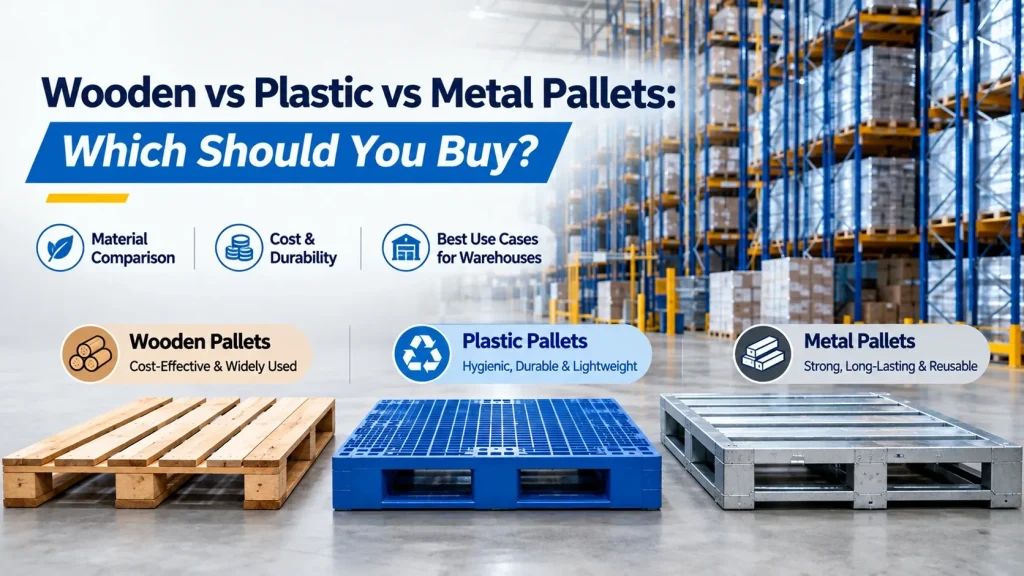
A lightweight pallet weighs far less than a traditional wooden or steel pallet. Standard wooden pallets in India weigh between 20 kg and 30 kg. Lightweight pallets weigh between 3 kg and 12 kg depending on the material and design.
This weight reduction cuts freight costs directly. In air cargo and long-distance road transport, every kilogram matters. Lighter pallets also reduce physical strain on workers during manual handling. They lower the risk of goods getting damaged during loading and unloading.
Lightweight does not mean low capacity. Modern lightweight pallets carry static loads of 3,000 kg to 6,000 kg in racking applications. They handle dynamic loads of 1,000 kg to 2,000 kg during forklift movement. The engineering behind these pallets is more advanced than most buyers expect.
Materials Used in Lightweight Pallet Manufacturing
High-Density Polyethylene
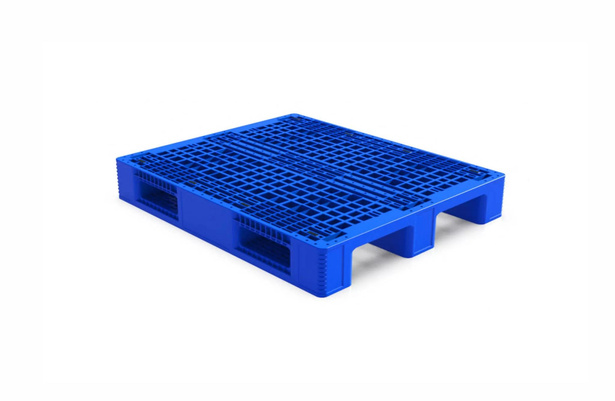
HDPE is the most widely used material among lightweight pallet manufacturers in India for producing pallets that meet modern industrial demands. Every lightweight pallet manufacturer relies on HDPE because of its versatility and performance across demanding environments. Manufacturers produce HDPE pallets through injection molding or blow molding. These pallets resist moisture, chemicals, and microbial growth. Food processing, pharmaceutical, and cold storage industries prefer them. A standard 1200 x 1000 mm HDPE pallet weighs between 9 kg and 14 kg.
Polypropylene
PP pallets are slightly lighter than HDPE variants. Manufacturers use them in closed-loop supply chains where pallets return and get reused repeatedly. They perform well in temperature-controlled environments. FMCG and retail distribution companies favor this material.
Corrugated Plastic
Corrugated plastic pallets use extruded polypropylene sheets formed into a hollow-channel structure. They weigh between 3 kg and 6 kg. Textile exporters and consumer electronics companies use them widely. These pallets work best when load weights are moderate and minimizing freight weight is the top priority.
Pressed or Engineered Wood
Pressed wood pallets use wood fiber, sawdust, and binding agents. Manufacturers compress these under high pressure and heat. These pallets meet ISPM-15 phytosanitary standards without fumigation or heat treatment certificates. This makes them valuable for export shipments. They are lighter than solid wood and offer more consistent dimensions.
Honeycomb Cardboard
Honeycomb pallets are the lightest option available. They weigh between 2 kg and 4 kg. Indian manufacturers have improved their compression strength over the years. These pallets work well for single-trip export use and light consumer goods applications.
The Manufacturing Landscape in India
India has a strong base of lightweight pallet manufacturers. They operate across major industrial cities including Ahmedabad, Pune, Chennai, Hyderabad, Delhi NCR, and Ludhiana. Facilities range from small-scale injection molders to large plants producing tens of thousands of pallets per month.
Leading manufacturers invest in high-tonnage injection molding machines. These machines produce pallets with consistent wall thickness and accurate dimensions. Manufacturers using outdated equipment struggle with dimensional variation. This becomes a serious problem in racking or automated handling systems.
Several Indian manufacturers now run in-house testing facilities. They test pallets for racking load, compression strength, fork entry durability, and drop impact performance. This level of quality control was rare a decade ago. Rising export demand and organized retail growth have pushed manufacturers to improve their standards.
Industries That Use Lightweight Pallets in India
Pharmaceuticals
Pharmaceutical companies need clean, traceable, and contamination-free pallets. Plastic lightweight pallets meet these requirements well. Many large manufacturers now use RFID-compatible pallets for inventory tracking. Clean-room compatible designs that allow washing and sanitization are in high demand.
Food and Beverage
Food companies use lightweight pallets both inside production facilities and for outbound distribution. These pallets withstand cold storage temperatures. They resist odor absorption and comply with food safety standards. HDPE and PP pallets dominate this sector.
Textile and Garment Exports
Air freight pricing uses either actual weight or volumetric weight. Reducing pallet tare weight directly improves the cost of each shipment. Textile and garment exporters rely on corrugated plastic and honeycomb pallets for this reason.
E-commerce and Retail Distribution
Fulfillment centers need standardized pallets that work on conveyor systems. They also need pallets that do not add unnecessary weight to outbound freight. Lightweight plastic pallets meet both needs. Demand from this sector has grown sharply over the last few years.
Automotive Components
Lighter automotive parts move on lightweight plastic pallets within assembly plants. Wiring harnesses, interior trim, and electronic assemblies are common examples. Manufacturers use these pallets both internally and between tier-one suppliers and OEM facilities.
What to Check Before Selecting a Manufacturer
Define Your Application First
A single-trip export pallet and a pallet for repeated racking use are very different products. Buyers who do not define their use case often purchase the wrong design. This leads to early failure and higher long-term costs.
Check Dimensional Consistency
Racking systems, conveyors, and automated handling equipment work within tight tolerances. A manufacturer who cannot hold consistent dimensions creates operational problems. These problems cost more than any savings made on unit price.
Verify Compliance Requirements
Export shipments need ISPM-15 compliant pallets. Pharmaceutical and food-grade applications need FDA-compliant materials or specific certifications. Always confirm these requirements with the manufacturer before placing an order.
Focus on Lifecycle Cost
A cheap pallet that fails after ten trips costs more over time than a durable one that lasts fifty trips. Leading manufacturers provide lifecycle data based on real testing. Buyers should ask for this data and compare it across suppliers.
Final Thoughts
Lightweight pallets are now a mainstream logistics component across India. Pharmaceuticals, food processing, retail, textiles, and manufacturing all depend on them. As Indian supply chains grow more efficient, the demand for well-engineered lightweight pallets will keep rising. Manufacturers who invest in technology, consistent quality, and application-specific engineering will lead this segment for years to come.