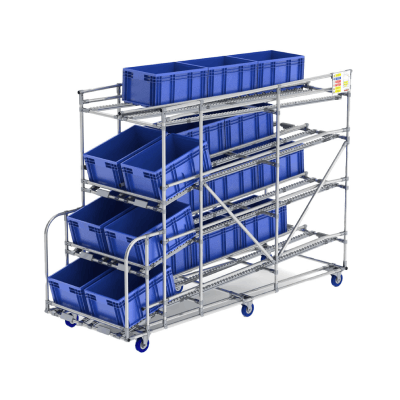
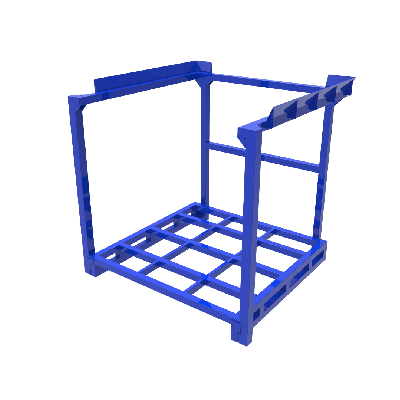
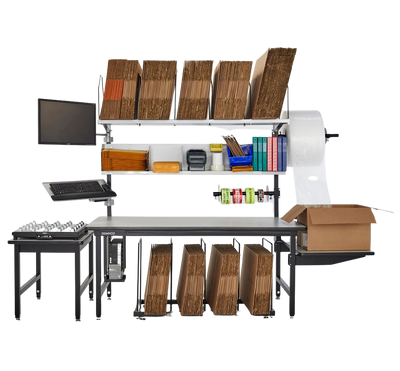
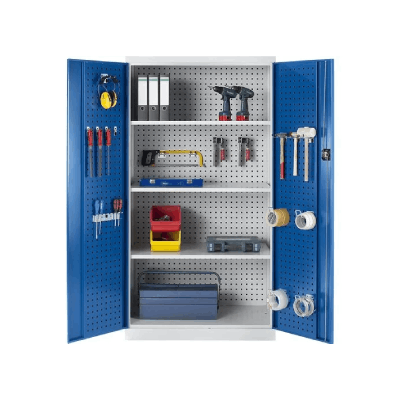






Industrial automation has revolutionized how businesses operate, transforming warehouses and manufacturing facilities into efficient, technology-driven hubs. At the heart of this transformation lies a critical yet often overlooked component: material handling equipment. A reliable Material Trolley Manufacturer serves as the backbone of automated workflows, ensuring seamless movement of goods, components, and finished products across production lines.
As automation systems become increasingly sophisticated, the role of trolley manufacturers extends far beyond simply producing metal frames and wheels. These manufacturers now act as strategic partners, designing solutions that integrate with robotics, IoT sensors, and warehouse management systems. Whether you’re operating a small-scale workshop or managing a sprawling distribution center, understanding what separates exceptional trolley suppliers from mediocre ones can significantly impact your operational efficiency, safety standards, and ultimately, your bottom line. The right manufacturing partner doesn’t just deliver equipment—they deliver solutions that evolve with your automation journey.
Table of Contents
ToggleQuality and Durability Standards: The Foundation of Reliable Operations
When automation runs 24/7, equipment failure isn’t just inconvenient—it’s catastrophic. Here’s why quality matters:
Material Selection Makes the Difference
Industrial trolleys face constant stress from heavy loads, repetitive movements, and harsh environments. Premium manufacturers use:
- High-grade steel alloys that resist warping under continuous use
- Industrial-grade casters with sealed bearings for extended lifespan
- Powder-coated finishes that withstand chemical exposure and prevent rust
- Reinforced welding joints that eliminate weak points
A manufacturer committed to quality typically provides detailed material certifications and conducts load stress testing beyond rated capacities.
Compliance with International Standards
Reputable material handling equipment providers adhere to:
- ISO 9001 quality management certifications
- ANSI/ASME safety compliance for industrial equipment
- Load capacity verification through third-party testing
- Environmental regulations (RoHS, REACH)
Real-world impact? A pharmaceutical company reduced downtime by 40% after switching to certified trolleys that met FDA sanitation standards—proving that quality certifications translate directly to operational reliability.
Customization Capabilities: Tailoring Solutions to Unique Workflows
One-size-fits-all approaches fail in automation because every facility operates differently. The best trolley supplier partners recognize this fundamental truth.
Understanding Your Specific Requirements
Effective manufacturers conduct thorough needs assessments:
- Load analysis – Weight distribution, frequency of use, and handling patterns
- Space constraints – Aisle widths, turning radii, and storage configurations
- Integration needs – Compatibility with existing conveyor systems, AGVs, or robotic arms
- Environmental factors – Temperature ranges, moisture levels, and chemical exposure
Custom Design Options
Advanced manufacturers offer modular configurations, including:
- Adjustable shelving heights for varied product sizes
- Specialized wheels (antistatic, non-marking, pneumatic) for different flooring types
- Ergonomic handle positions that reduce worker fatigue
- Integration points for RFID tags, barcode scanners, or weight sensors
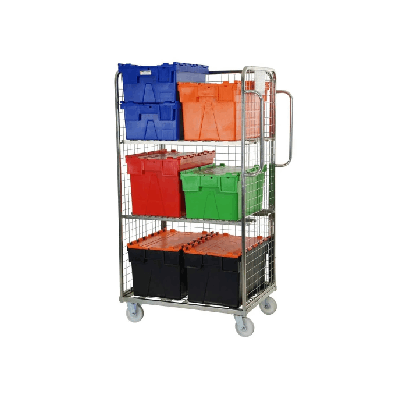
- Collapsible designs for efficient storage when not in use
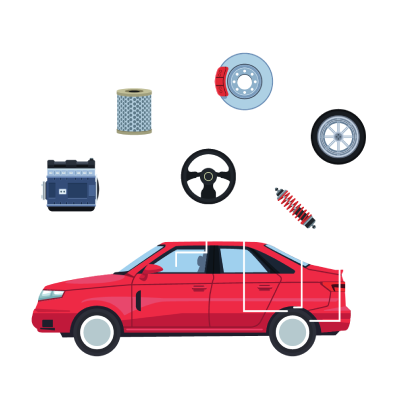
An automotive parts supplier achieved 30% faster picking rates by implementing custom multi-tier trolleys tailored to their component dimensions—demonstrating how customization directly impacts productivity metrics.
Cost-Effectiveness Over Time: Beyond the Initial Price Tag
Smart procurement teams evaluate total cost of ownership, not just upfront expenses. Here’s the complete financial picture:
Initial Investment vs. Lifetime Value
While budget trolleys might cost 40-50% less initially, consider:
- Replacement frequency: Quality trolleys last 8-12 years versus 2-3 years for cheaper alternatives
- Maintenance costs: Premium casters and materials require minimal upkeep
- Downtime expenses: Equipment failures during peak operations cost far more than the price difference
- Worker compensation claims: Poorly designed trolleys contribute to workplace injuries
Hidden Cost Factors
Experienced industrial trolley manufacturers help you avoid:
- Incompatibility issues requiring expensive retrofitting
- Safety violations resulting in regulatory fines
- Productivity losses from equipment that slows workflows
- Excessive energy consumption from poorly designed wheels
A warehouse operations manager calculated that investing 60% more in quality trolleys yielded 220% ROI over five years through reduced replacements, lower maintenance, and improved efficiency—numbers that speak louder than marketing brochures.
After-Sales Support and Warranty: Your Safety Net
Equipment purchase isn’t the end of the relationship—it’s just the beginning. Exceptional manufacturers provide an ongoing partnership.
Comprehensive Warranty Coverage
Look for manufacturers offering:
- Extended warranty periods (3-5 years minimum on structural components)
- Component-specific coverage clearly defining what’s protected
- No-questions-asked replacement policies for manufacturing defects
- On-site evaluation for warranty claims exceeding certain values
Responsive Support Infrastructure
Premium warehouse equipment providers maintain:
- Dedicated customer service teams with technical expertise
- Rapid response times (24-48 hours for critical issues)
- Spare parts availability with established supply chains
- Preventive maintenance programs and inspection services
- Training resources for proper equipment usage
Real scenario: When a food processing plant experienced caster failures affecting temperature-controlled storage, their manufacturer dispatched replacement parts within 18 hours—preventing potential product spoilage worth thousands of dollars. That’s the value of reliable after-sales support.
Industry Expertise and Compliance: Navigating Complex Regulations
Different industries face unique challenges that generic manufacturers simply can’t address. Specialized expertise matters.
Sector-Specific Knowledge
Leading Material Trolley Manufacturer companies develop a deep understanding across industries:
Healthcare & Pharmaceuticals:
- Cleanroom-compatible materials and designs
- Easy-to-sanitize surfaces without crevices
- Antimicrobial coatings and stainless steel construction
- Static discharge prevention for sensitive equipment
Food & Beverage:
- NSF-certified materials are safe for food contact
- Corrosion-resistant finishes for wet environments
- Temperature-tolerant components for cold storage
- Hygienic designs prevent bacterial growth
Electronics Manufacturing:
- ESD-safe materials preventing component damage
- Precise weight distribution for delicate assemblies
- Contamination-free surfaces (lint-free, particle-free)
- Integration with automated guided vehicles (AGVs)
Regulatory Navigation Assistance
Expert manufacturers help you:
- Identify applicable safety standards (OSHA, CE marking, etc.)
- Document compliance for audit purposes
- Update equipment when regulations change
- Implement best practices from industry leaders
A medical device manufacturer avoided a costly FDA warning letter because their trolley supplier proactively flagged non-compliant materials before production—demonstrating how industry expertise protects your business.
Innovation and Technology Integration: Future-Proofing Your Investment
Automation technology evolves rapidly. Forward-thinking manufacturers ensure their products grow with your needs.
Smart Trolley Features
Modern material handling incorporates:
- IoT sensors tracking location, usage patterns, and maintenance needs
- Load monitoring systems prevent overloading and safety hazards
- Battery-powered options eliminate manual pushing for heavy loads
- RFID integration for automated inventory tracking
- Predictive maintenance alerts based on usage data
Automation Compatibility
Next-generation trolleys work seamlessly with:
- Warehouse Management Systems (WMS) for route optimization
- Automated Guided Vehicles (AGVs) for autonomous transport
- Collaborative robots (cobots) for pick-and-place operations
- Conveyor systems with synchronized handoff points
- Voice-picking systems and wearable technology
Consider this: An e-commerce fulfillment center integrated smart trolleys with their WMS, reducing search time for empty trolleys by 75% and improving order processing speed by 22%. The manufacturer’s technology expertise made this integration possible without expensive custom development.
Conclusion
The right Material Trolley Manufacturer becomes an extension of your operational team, not just a vendor. As industrial automation continues advancing, your material handling equipment must evolve alongside it. Prioritize manufacturers who demonstrate quality craftsmanship, offer genuine customization, provide transparent cost analysis, maintain responsive support systems, possess deep industry knowledge, and embrace technological innovation.
When evaluating suppliers, don’t just compare specifications—assess their commitment to your long-term success. Request facility tours, speak with existing customers, and test equipment under real conditions. The difference between adequate and exceptional manufacturing partners often determines whether your automation initiatives deliver transformational results or merely incremental improvements.
For businesses seeking a trusted trolley supplier that checks all these boxes, Kole Pallet stands out as an industry leader combining decades of manufacturing expertise with cutting-edge innovation in material handling solutions.
Ready to optimize your material handling operations? Contact experienced manufacturers today to discuss custom solutions tailored to your automation goals.
Frequently Asked Questions:-
1. What should I look for when choosing a material trolley manufacturer?
- Prioritize quality certifications like ISO 9001 and ANSI compliance, customization capabilities tailored to your workflow, comprehensive warranty coverage of at least 3-5 years, industry-specific expertise, and responsive after-sales support. Evaluate total cost of ownership rather than just initial price, including maintenance costs, replacement frequency, and potential downtime expenses. Always request customer references and verify manufacturing standards through facility visits before making your decision.
2. How do custom trolleys improve operational efficiency compared to standard options?
- Custom trolleys are specifically designed around your exact load weights, space constraints, and workflow patterns, eliminating the inefficiencies built into generic designs. They integrate seamlessly with existing automation systems, reduce material handling time through optimized layouts, and include ergonomic features that minimize worker fatigue. Research shows that custom solutions can improve picking rates by 25-40% and significantly reduce workplace injuries compared to one-size-fits-all alternatives.
3. Are expensive, high-quality trolleys really worth the investment?
- Absolutely. Premium trolleys typically last 8-12 years compared to just 2-3 years for budget options, require minimal maintenance throughout their lifespan, and prevent costly operational downtime. When you calculate the total ownership costs, including replacements, maintenance expenses, productivity losses, and potential safety violations, quality trolleys deliver over 200% ROI during their lifetime. The initial 40-60% price premium pays for itself multiple times through superior reliability and sustained performance.
4. How do modern trolleys integrate with industrial automation systems?
- Today’s smart trolleys are equipped with IoT sensors for real-time location tracking, RFID integration for automated inventory management, load-monitoring systems to prevent overloading, and full compatibility with Warehouse Management Systems. They work seamlessly alongside Automated Guided Vehicles, collaborative robots, and conveyor systems through standardized connection points. This enables plug-and-play integration with your existing automation infrastructure without requiring expensive custom development or complicated retrofitting.
5. What industry-specific features should I consider?
- For healthcare and pharmaceutical applications, look for antimicrobial coatings, cleanroom-compatible materials, and easy-to-sanitize surfaces. Food and beverage operations require corrosion-resistant finishes, temperature-tolerant components, and hygienic designs that prevent bacterial growth. Electronics manufacturing needs ESD-safe materials, contamination-free surfaces, and precise weight distribution for delicate components. Automotive facilities benefit from heavy-duty construction, multi-tier configurations, and seamless robotic integration. Choose manufacturers with proven expertise in your specific sector who thoroughly understand your industry’s regulatory requirements.