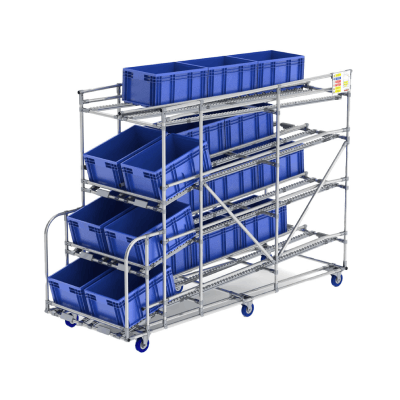
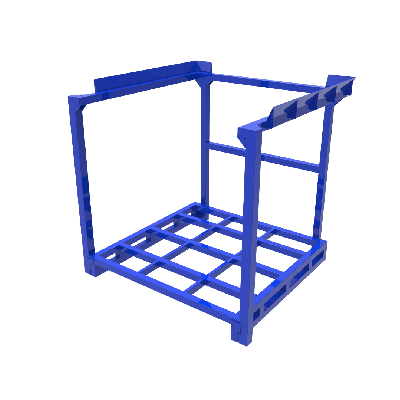
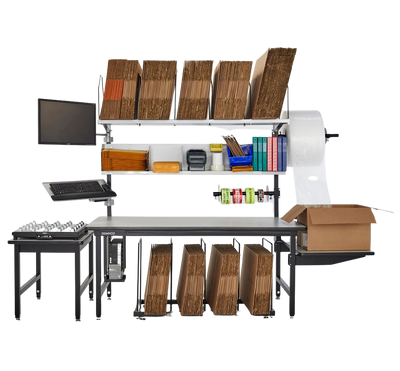
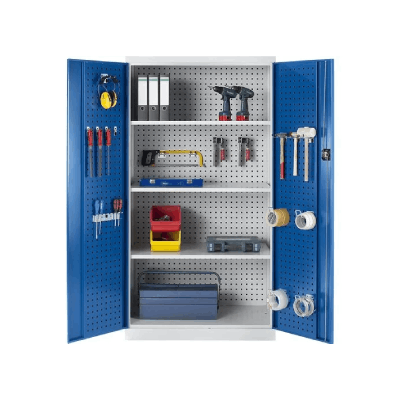
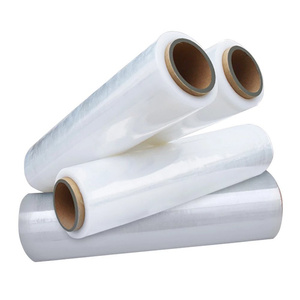
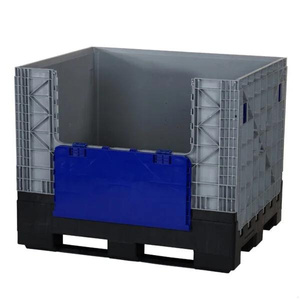
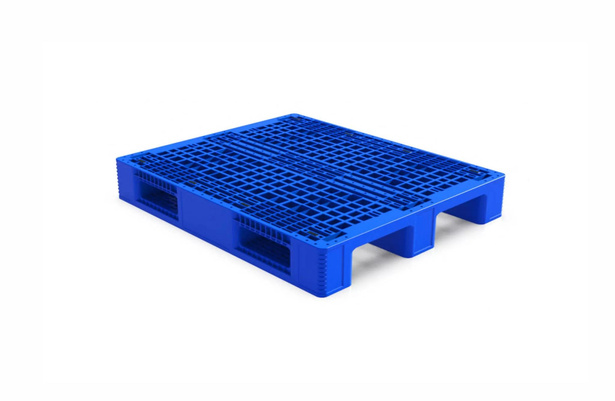












Every year, billions of single-use packaging materials end up in landfills, contributing to a mounting environmental crisis. From cardboard boxes that disintegrate after one use to plastic wraps that pollute our oceans, traditional packaging systems have created an unsustainable cycle that’s devastating our planet. But what if there was a better way? Enter Returnable Packaging Solutions a revolutionary approach that’s transforming how businesses handle material handling while dramatically cutting waste. Unlike disposable alternatives, these reusable systems circulate through supply chains multiple times, reducing environmental footprint by up to 90%. Companies worldwide are discovering that going green doesn’t mean sacrificing efficiency. In fact, returnable packaging often delivers superior protection, lower long-term costs, and enhanced operational performance. Whether you’re moving products across warehouses or shipping to retail locations, the shift toward sustainable packaging isn’t just environmentally responsible; it’s becoming a competitive necessity. Let’s explore how these innovative solutions are reshaping logistics while protecting the world we live in.
Table of Contents
ToggleUnderstanding Returnable Packaging Systems
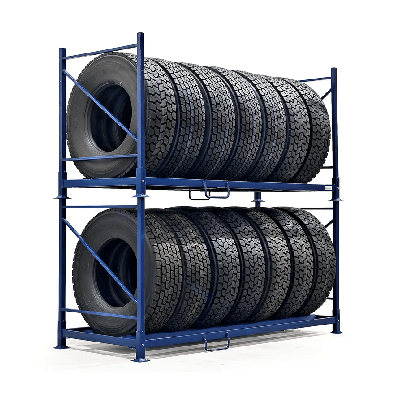
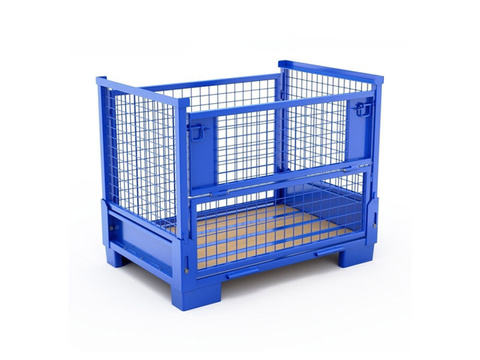
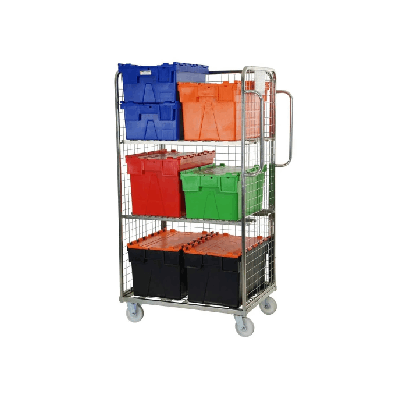
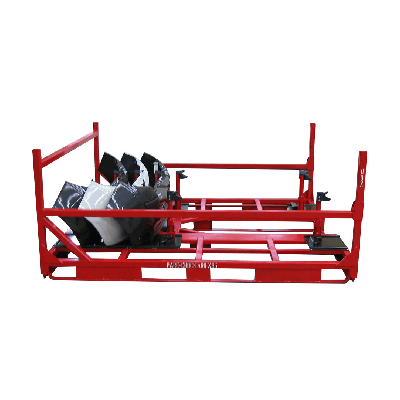
Returnable packaging represents a fundamental shift from the wasteful ‘use and discard’ mentality to a circular economy model. These systems utilize durable containers, pallets, and industrial trolleys designed for hundreds—sometimes thousands—of trips through the supply chain. Think of them as the difference between disposable water bottles and a sturdy reusable canteen. A typical returnable plastic container might make 50-100 trips before retiring, while specialized warehouse equipment can last decades with proper maintenance. The system works through coordinated logistics: packages deliver goods to their destination, get cleaned and inspected, then return to the origin point for reloading. This closed-loop approach creates remarkable efficiency gains. Companies eliminate the need to continually repurchase packaging materials, reduce disposal costs, and minimize the carbon footprint associated with manufacturing new containers. The beauty lies in the simplicity—invest once in quality materials, then benefit from their extended lifecycle while dramatically reducing environmental impact.
Quality and Durability Standards That Matter
Not all returnable packaging delivers equal environmental benefits. The key differentiator? Build quality and durability standards that ensure genuinely long product lifecycles. Superior Returnable Packaging Solutions employ high-grade materials engineered to withstand demanding industrial environments. Premium polypropylene containers resist impacts, chemicals, and temperature fluctuations that would destroy conventional packaging. Metal trolley suppliers design frames from reinforced steel that handle heavy loads without warping or breaking. These aren’t cosmetic choices—they’re environmental investments. A container that fails after 20 trips creates more waste than a well-designed alternative lasting 100 journeys. Look for products meeting ISO standards for load capacity, stackability, and material safety. Test certifications matter too, particularly for food-grade applications or temperature-sensitive cargo. The upfront cost might seem higher, but durability directly translates to environmental savings. One thousand uses from a single container beats buying a thousand disposable boxes every single time.
Customization Capabilities for Diverse Industries
Environmental sustainability doesn’t require sacrificing operational specificity. Modern returnable packaging excels through customization that addresses unique industry challenges while maintaining eco-friendly principles. Automotive manufacturers need containers to protect delicate components during international shipping. Food distributors require refrigerated solutions to maintain cold chains. Electronics companies demand static-dissipative materials to prevent component damage. Leading providers offer modular designs adaptable to these varied requirements. Adjustable dividers accommodate different product sizes. Collapsible structures reduce return shipping volume. RFID integration enables tracking throughout complex supply networks. The trolley supplier industry has evolved beyond one-size-fits-all approaches, creating specialized warehouse equipment for pharmaceutical compliance, aerospace precision, or retail distribution. This flexibility proves crucial for environmental impact reduction. When packaging perfectly fits its application, products arrive undamaged, eliminating waste from broken goods. Optimized dimensions mean fewer trips and reduced fuel consumption. Smart customization makes returnable systems viable across industries previously dependent on disposable packaging, exponentially multiplying sustainability benefits throughout the economy.
Cost-Effectiveness Over Time
The financial case for returnable packaging aligns beautifully with environmental benefits, creating a rare win-win scenario. While initial investments exceed disposable alternatives, the total cost of ownership tells a dramatically different story. Consider a distribution center spending $50,000 annually on cardboard shipping boxes. Switching to returnable containers might cost $80,000 upfront, but those containers last five years minimum—effectively $16,000 per year. Add savings from eliminated disposal fees, reduced product damage, and lower labor costs for packaging assembly, and companies typically achieve payback within 12-18 months. Material handling efficiency improves, too, as standardized industrial trolleys streamline warehouse operations compared to constantly managing disposable packaging inventory. The environmental savings run parallel to financial gains. Fewer manufacturing resources are consumed. Reduced landfill contributions. Lower transportation emissions from optimized packaging design. Companies aren’t choosing between profit and planet—they’re discovering both objectives support each other. This economic sustainability ensures returnable packaging programs persist long-term, creating lasting environmental improvements rather than temporary feel-good initiatives abandoned at the first budget pressure.
After-Sales Support and Warranty Considerations
Long-term environmental impact depends on packaging actually achieving its intended lifespan—and that requires robust after-sales support. Reputable suppliers provide comprehensive warranty coverage protecting against manufacturing defects and premature failure. But warranties represent just the starting point. Look for partners offering maintenance programs that keep equipment in peak condition. Regular inspections identify wear before it causes failures. Cleaning services remove contaminants that might degrade materials. Repair capabilities extend product life even further, replacing damaged components rather than scrapping entire units. This service ecosystem proves essential for maximizing sustainability benefits. A container retired at 40 trips due to a lack of support delivers half the environmental value of one serviced to 80 trips. Progressive trolley supplier companies maintain spare parts inventories, ensuring quick repairs. They provide training to help your team properly handle and store reusable packaging. Some even offer take-back programs recycling truly end-of-life products into new containers, closing the loop entirely. These services aren’t optional extras; they’re fundamental to achieving the environmental promises returnable packaging makes. Without them, supposedly sustainable solutions become just another source of industrial waste.
Industry Expertise and Compliance
Navigating the complex landscape of environmental regulations requires suppliers with deep industry knowledge and proven compliance track records. Different sectors face varying sustainability mandates—automotive follows IMDS material disclosure requirements, food packaging must meet FDA standards, while electronics manufacturers adhere to RoHS restrictions on hazardous substances. Experienced providers understand these nuances intimately, designing warehouse equipment that satisfies regulatory demands while optimizing environmental performance. They maintain certifications demonstrating commitment to sustainable practices: ISO 14001 for environmental management, cradle-to-cradle product certification, or carbon-neutral manufacturing processes. This expertise prevents costly mistakes. Choosing non-compliant packaging might save money initially, but creates massive liabilities when regulations tighten or customer audits reveal deficiencies. Beyond legal compliance, industry veterans bring practical wisdom about what actually works in real-world conditions. They’ve solved the temperature control challenges cold chain logistics present. They understand cleaning protocols and maintaining hygiene standards. Their designs reflect lessons learned from millions of trips through actual supply chains, not theoretical laboratory conditions. This knowledge directly enhances environmental outcomes by ensuring returnable systems function reliably enough that companies stick with them long-term.
Innovation and Technology Integration
The future of sustainable packaging lies in smart technology amplifying environmental benefits through enhanced efficiency. Leading-edge Returnable Packaging Solutions now integrate IoT sensors tracking location, condition, and utilization rates in real-time. RFID tags enable automatic inventory management, ensuring containers circulate efficiently rather than sitting idle in warehouses. Temperature monitors on refrigerated units verify cold chain integrity, preventing food waste from spoilage. GPS integration optimizes return logistics, reducing empty miles driven. These innovations generate valuable sustainability data too. Companies can calculate precise carbon footprints, measure waste reduction, and document environmental achievements for corporate responsibility reporting. Machine learning algorithms predict maintenance needs before failures occur, extending equipment lifespan. Some systems even adjust routes dynamically based on traffic patterns, minimizing fuel consumption. Material science keeps advancing as well, with bio-based plastics offering comparable durability to petroleum products and industrial trolleys incorporating recycled materials without compromising strength. This technological evolution ensures returnable packaging doesn’t just maintain environmental advantages—it continuously improves them, creating ever-greater sustainability gains as innovation accelerates.
Conclusion
The environmental crisis demands immediate action, and returnable packaging offers a practical, proven solution businesses can implement today. By replacing wasteful single-use materials with durable, reusable systems, companies simultaneously reduce environmental impact and improve operational efficiency. The benefits compound across every dimension—fewer natural resources consumed, less waste entering landfills, reduced carbon emissions from manufacturing and transportation, plus significant cost savings over time. Quality matters profoundly in achieving these outcomes. Choosing suppliers committed to durability standards, customization capabilities, comprehensive support, regulatory compliance, and continuous innovation ensures your returnable packaging investment delivers maximum environmental returns. The technology exists. The business case proves compelling. What remains is commitment to making the sustainable choice. If you’re ready to transform your packaging operations while protecting our planet, Kole Global stands ready to help. As a trusted trolley supplier specializing in premium warehouse equipment and comprehensive material handling solutions, we bring the expertise, quality, and innovation needed to make your sustainability goals a reality. Don’t let another day pass contributing to environmental degradation. Contact us today to explore how returnable packaging can revolutionize your operations while safeguarding the world for future generations.
Frequently Asked Questions:-
1. What are returnable packaging solutions?
- Returnable packaging solutions are durable, reusable containers, pallets, and material handling equipment designed to circulate through supply chains multiple times instead of being discarded after a single use. They typically last 50-100+ trips, significantly reducing waste and costs.
2. How much can companies save by switching to returnable packaging?
- Most companies achieve payback within 12-18 months and can reduce packaging costs by 30-60% over five years. Additional savings come from lower disposal fees, reduced product damage, and improved warehouse efficiency.
3. Are returnable packaging systems suitable for all industries?
- Yes, with proper customization. Modern returnable packaging can be tailored for automotive, food and beverage, electronics, pharmaceuticals, retail, and more. Specialized designs address industry-specific needs like temperature control, static protection, or regulatory compliance.
4. What happens when returnable packaging reaches end-of-life?
- Leading suppliers offer take-back programs that recycle end-of-life containers into new packaging materials. Components like metal frames from industrial trolleys can be melted down and repurposed, ensuring materials stay out of landfills and continue circulating in the economy.
5. How does technology improve returnable packaging efficiency?
- IoT sensors, RFID tags, and GPS tracking enable real-time monitoring of location, condition, and utilization. This technology optimizes return logistics, prevents loss, predicts maintenance needs, and provides data for calculating precise environmental impact and cost savings.