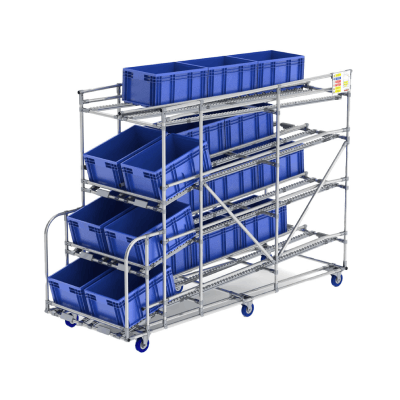
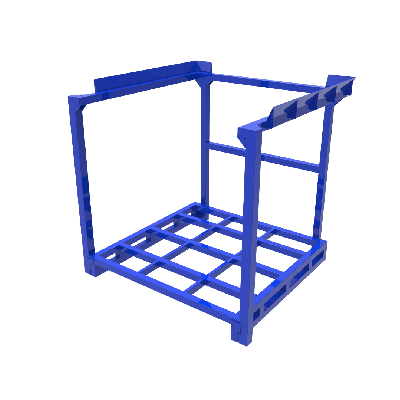
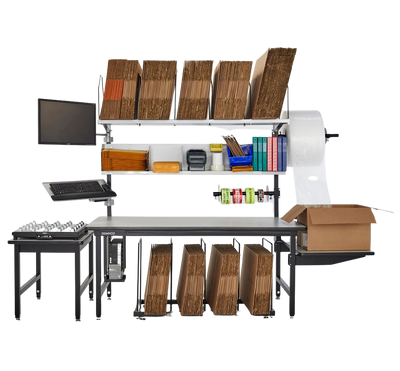
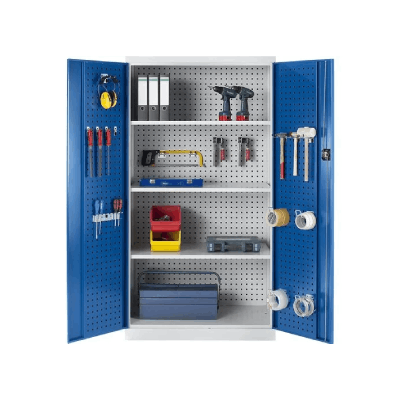






Every warehouse manager knows that moment when a trolley wheel gives out during peak hours, bringing operations to a grinding halt. It’s frustrating, costly, and entirely preventable. The difference between smooth daily operations and constant disruptions often comes down to one critical decision: choosing the right Material Trolley Manufacturer. While it might seem like a straightforward purchasing decision, the manufacturer you partner with can dramatically impact your bottom line, workplace safety, and operational efficiency for years to come. This isn’t just about buying equipment; it’s about investing in a relationship that supports your business growth. Whether you’re outfitting a new facility or upgrading existing material handling systems, understanding what separates exceptional manufacturers from mediocre ones can save you thousands in replacement costs, downtime, and workplace injuries. Let’s explore why this partnership matters more than you might think.
Table of Contents
ToggleQuality and Durability Standards Matter More Than Price
When you’re comparing quotes from different suppliers, the temptation to choose the lowest price is real. However, experienced material handling professionals will tell you that cheap trolleys rarely stay cheap. A reputable manufacturer builds trolleys with industrial-grade materials designed to withstand daily punishment in demanding environments. They conduct rigorous testing for load capacity, wheel durability, and frame integrity before products reach your facility.
Consider this scenario: You purchase budget trolleys that cost 30% less upfront. Within eighteen months, wheels crack, welds fail, and replacement becomes necessary. Meanwhile, premium trolleys from an established Material Trolley Manufacturer continue performing flawlessly after five years of heavy use. The math becomes clear when you factor in replacement costs, productivity losses during equipment failure, and potential safety incidents. Quality manufacturers also provide detailed specifications, load testing documentation, and certifications that protect you from liability issues. They understand that their reputation depends on products that perform consistently under real-world conditions, not just in ideal testing environments.
Customization Capabilities Transform Standard Equipment Into Strategic Assets
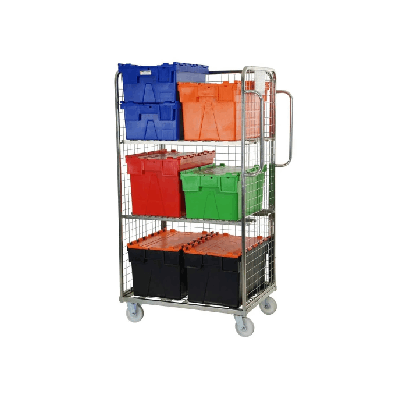
Off-the-shelf solutions work for basic needs, but they rarely optimize your specific workflow. Experienced manufacturers excel at customization because they’ve seen countless operational challenges across various industries. They can modify dimensions to navigate tight aisles, add specialized shelving for unique product sizes, or incorporate ergonomic features that reduce worker fatigue. This customization capability transforms industrial trolleys from simple transport tools into strategic assets that enhance productivity.
A food processing plant, for example, might need stainless steel construction with specific coating requirements for hygiene compliance. An automotive parts supplier could require adjustable compartments for various component sizes. These aren’t luxuries; they’re operational necessities. When you partner with a manufacturer that listens to your challenges and engineers solutions, you’re investing in equipment designed around your processes rather than forcing your processes to adapt to generic equipment. The best warehouse equipment providers maintain in-house design teams who collaborate with clients, create prototypes, and refine designs based on actual testing in similar environments.
Cost-Effectiveness Reveals Itself Over Time
Initial purchase price tells only part of the financial story. True cost-effectiveness emerges over years of operation when you consider maintenance requirements, replacement frequency, and operational efficiency gains. Experienced manufacturers design trolleys with serviceability in mind, using standardized components that remain available long after purchase. This approach dramatically reduces maintenance costs and downtime compared to proprietary designs that require expensive, specialized parts.
Let’s examine the total cost of ownership. Premium trolleys might cost 40-50% more initially, but their lifespan often exceeds budget alternatives by 200-300%. Maintenance costs run significantly lower because quality bearings, reinforced welds, and durable coatings withstand wear better. Additionally, well-designed material handling equipment improves worker productivity by reducing physical strain and enabling faster material movement. When employees can safely handle heavier loads or complete trips in less time, those efficiency gains compound daily. Smart buyers calculate return on investment across five to ten years, not just the first quarter. This perspective usually reveals that partnering with an established trolley supplier delivers superior financial outcomes despite higher upfront costs.
After-Sales Support and Warranty Protection Provide Peace of Mind
Equipment purchases shouldn’t end when delivery trucks leave your facility. The relationship with your manufacturer truly begins once trolleys hit your warehouse floor. Reputable companies stand behind their products with comprehensive warranties and responsive support teams. When issues arise, you need quick answers and swift resolution, not endless phone menus and delayed responses.
Experienced manufacturers typically offer warranties ranging from two to five years, covering defects in materials and workmanship. Beyond warranties, they provide technical support for assembly, maintenance guidance, and troubleshooting assistance. Some even offer preventive maintenance programs or periodic inspections to maximize equipment lifespan. This ongoing relationship proves invaluable when you’re planning facility expansions or modifying existing systems. The manufacturer who understands your current setup can recommend compatible solutions that integrate seamlessly. They can also provide replacement parts quickly because they maintain inventory for products they’ve sold years earlier. This continuity prevents desperate searches for compatible components when original equipment needs repair.
Industry Expertise and Compliance Navigate Complex Regulations
Different industries face unique regulatory requirements affecting material handling equipment. Food and beverage operations must meet FDA standards, pharmaceutical facilities require cleanroom compliance, and hazardous material warehouses need specific safety certifications. An experienced Material Trolley Manufacturer brings deep industry knowledge that helps navigate these complex requirements without lengthy research or costly compliance mistakes.
Manufacturers specializing in specific sectors understand the nuances that generic suppliers miss. They know which coatings resist particular chemicals, which materials meet hygiene standards, and which designs satisfy safety inspectors. This expertise extends beyond product specifications to documentation and certification processes. When auditors arrive, you’ll have proper specifications, testing reports, and compliance certifications readily available. The manufacturer who serves your industry has likely solved similar challenges for other clients and can apply proven solutions to your situation. This experience accelerates implementation timelines and reduces compliance risks that could result in operational shutdowns or costly retrofits.
Innovation and Technology Integration: Future-Proof Your Investment
The material handling landscape evolves rapidly as automation, tracking systems, and ergonomic research advance. Forward-thinking manufacturers invest in research and development, staying ahead of industry trends rather than merely reacting to them. They incorporate innovations like RFID tracking compatibility, ergonomic handle designs based on biomechanical studies, and modular construction that adapts to changing needs.
These innovations deliver practical benefits beyond novelty appeal. Trolleys designed with tracking technology integration simplify inventory management and asset monitoring. Ergonomic improvements reduce workplace injuries and workers’ compensation claims. Modular designs extend equipment life by allowing component upgrades rather than complete replacement. When you partner with an innovative manufacturer, you’re not just buying today’s solution; you’re investing in equipment that remains relevant as your operations evolve. The manufacturer committed to continuous improvement regularly introduces enhancements that existing customers can adopt, protecting your initial investment while delivering ongoing value.
Conclusion
Selecting the right manufacturing partner for your material handling needs extends far beyond comparing specifications and prices. It’s about finding a collaborator who understands your operational challenges, delivers consistent quality, and supports your success long after the initial sale. The manufacturers who excel in this space combine engineering expertise with customer service excellence, creating relationships that benefit both parties over many years. They design solutions that improve safety, enhance productivity, and deliver reliable performance under demanding conditions.
As you evaluate potential partners, consider their track record, customer references, and commitment to ongoing innovation. Ask about customization capabilities, warranty coverage, and support availability. Companies like Kole Pallet exemplify this partnership approach, offering comprehensive solutions backed by industry expertise and a genuine commitment to customer success. Your material handling equipment represents a significant investment that impacts daily operations, worker safety, and profitability. Choose a manufacturer who treats that investment with the seriousness it deserves.
Ready to upgrade your material handling systems? Connect with experienced professionals who can assess your needs and recommend solutions tailored to your specific operational requirements.
Frequently Asked Questions:-
1. What should I look for when choosing a material trolley manufacturer?
- When selecting a material trolley manufacturer, prioritize several key factors beyond just price. Look for companies with proven industry experience, comprehensive quality certifications, and a track record of serving businesses similar to yours. Check if they offer customization capabilities to meet your specific operational needs, and verify their warranty coverage and after-sales support services. Additionally, ask for customer references and case studies that demonstrate their ability to deliver durable, reliable equipment. A manufacturer who invests in ongoing innovation and understands industry-specific compliance requirements will provide better long-term value than one focused solely on competitive pricing.
2. How much more expensive are high-quality industrial trolleys compared to budget options?
- Premium industrial trolleys typically cost 30-50% more upfront than budget alternatives, but this initial price difference doesn’t reflect the true cost of ownership. Quality trolleys often last three to five times longer than cheaper options, require significantly less maintenance, and rarely need early replacement due to component failure. When you calculate total cost over a five to ten-year period—including replacement costs, maintenance expenses, productivity losses during breakdowns, and potential safety incidents—premium trolleys from experienced manufacturers usually deliver 40-60% better value. The key is looking beyond the purchase price and considering lifecycle costs, operational efficiency gains, and reduced downtime.
3. Can material trolley manufacturers customize equipment for specific industry requirements?
- Yes, reputable material trolley manufacturers excel at customization for industry-specific needs. Experienced manufacturers can modify dimensions to fit your facility layout, use specialized materials like stainless steel for food processing or pharmaceutical environments, add custom shelving configurations for unique product sizes, and incorporate safety features required by your industry regulations. They can also integrate technology like RFID tracking compatibility, design ergonomic features to reduce worker fatigue, and apply specific coatings for chemical resistance or hygiene compliance. The best manufacturers maintain in-house design teams who work directly with clients to engineer solutions that optimize workflows rather than forcing operations to adapt to generic equipment.
4. What kind of warranty and support should I expect from a quality trolley supplier?
- Quality material trolley manufacturers typically offer warranties ranging from two to five years, covering defects in materials and workmanship. Beyond basic warranty coverage, look for suppliers who provide responsive technical support for assembly questions, maintenance guidance, and troubleshooting assistance. The best manufacturers maintain spare parts inventory for products they’ve sold years earlier, ensuring you can get replacements quickly when needed. Some also offer preventive maintenance programs, periodic inspections, and ongoing consultation for facility expansions or system modifications. This comprehensive support approach protects your investment and minimizes downtime when issues arise, unlike budget suppliers who often disappear after the sale.
5. How do I know if a material trolley manufacturer understands my industry’s compliance requirements?
- Evaluate a manufacturer’s industry expertise by asking specific questions about regulations affecting your sector. Request examples of similar projects they’ve completed, including documentation and certifications provided. A knowledgeable manufacturer should immediately understand requirements like FDA standards for food handling, cleanroom specifications for pharmaceuticals, or hazardous material certifications for chemical warehouses. Ask them to explain which materials and designs meet your compliance needs and how they document conformity for audits. Check if they’re familiar with industry-specific testing standards and can provide proper specifications, load testing reports, and compliance certificates. Manufacturers with genuine sector expertise will confidently discuss nuances and offer proven solutions based on their experience serving similar clients.