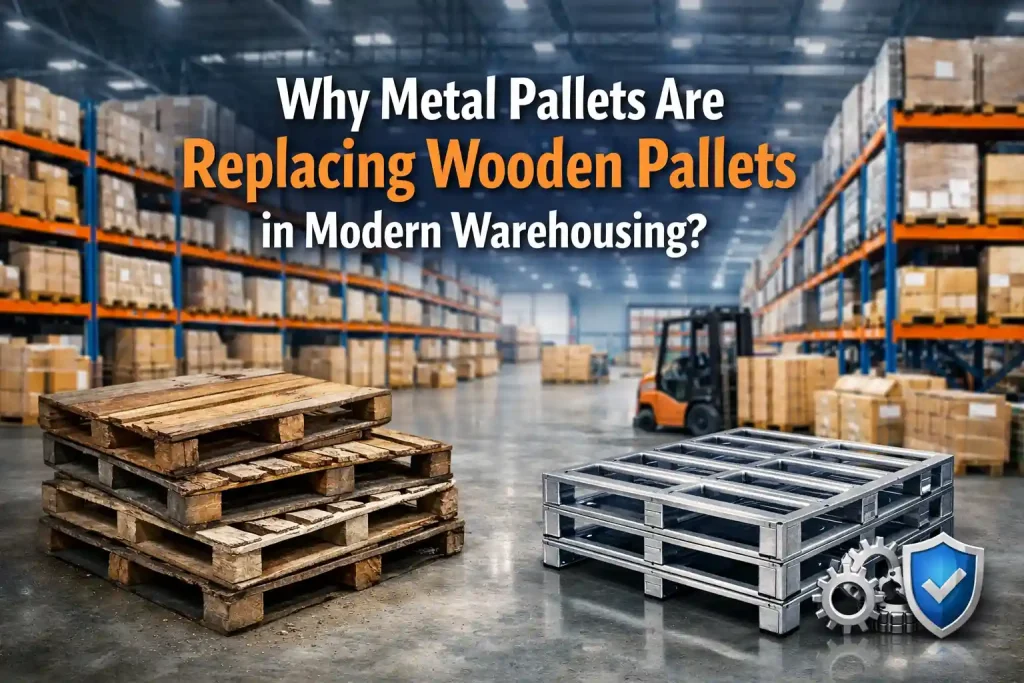








Walk into any modern distribution center across India today, and you’ll notice something different from warehouses of a decade ago. The familiar stacks of wooden pallets are increasingly sharing floor space, or being replaced entirely, by their metallic counterparts. This transformation isn’t just a trend; it’s a strategic evolution driven by operational demands, safety requirements, and long-term cost considerations.
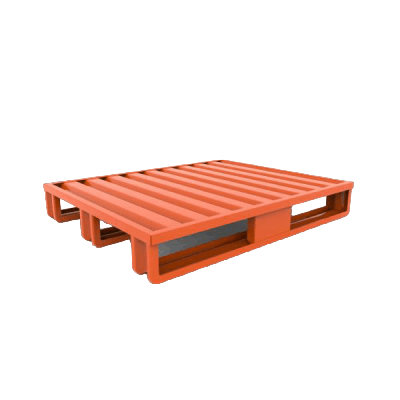
As businesses seek more reliable material handling solutions, partnering with the right Metal Pallet Manufacturer has become crucial for operational success. The shift from wood to metal represents more than a simple material swap; it’s about embracing durability, hygiene standards, and sustainability that traditional wooden pallets simply can’t match. Whether you’re managing a pharmaceutical facility in Hyderabad requiring stringent cleanliness protocols or an automotive parts warehouse in Pune demanding heavy-load capacity, metal pallets are proving their worth across diverse industries.
The question is no longer if metal pallets deserve consideration, but rather how quickly your operation can benefit from making the switch.
Table of Contents
ToggleSuperior Durability That Transforms ROI
Built to Withstand Demanding Indian Environments
Metal pallets laugh in the face of conditions that would destroy wooden alternatives within months. Here’s what makes them virtually indestructible:
- Monsoon resistance: No warping, swelling, or rot from India’s intense humidity and rainfall
- Impact tolerance: Heavy machinery contact won’t crack or splinter the structure
- Load consistency: Maintains structural integrity even under maximum weight ratings
- Temperature stability: Performs equally well in cold storage units or high-heat warehouse environments
Consider a cold storage facility in Mumbai that switched to steel pallets three years ago. Their wooden pallets previously lasted 18-24 months before moisture damage during the monsoon season rendered them unsafe. The metal alternatives? Still performing flawlessly today with zero replacements needed. This durability directly translates to reduced purchasing frequency, lower inventory of spare pallets, and minimal downtime from pallet failures.
The lifespan difference is staggering—quality metal pallets typically last 10-15 years compared to 2-3 years for wooden ones. When you factor in replacement costs, disposal fees, and operational disruptions, the long-term economics become crystal clear. For Indian businesses dealing with varying climatic conditions from Kashmir to Kanyakumari, this weather resistance proves invaluable.
Hygiene Standards That Protect Your Products
Food safety and pharmaceutical compliance have become non-negotiable in modern Indian supply chains. Wooden pallets harbor bacteria, absorb liquids, and create contamination risks that regulatory bodies like FSSAI and CDSCO increasingly scrutinize. Metal pallets eliminate these concerns entirely.
Why Clean Matters More Than Ever
A beverage distributor in Ahmedabad faced recurring contamination issues with wooden pallets, introducing foreign particles into their production line. After consulting with a reliable Metal Pallet Manufacturer, they implemented stainless steel pallets throughout their facility. The transformation was remarkable.
Key improvements included:
- Zero contamination incidents in 18 months post-implementation
- Simplified cleaning protocols using pressure washing in minutes
- FSSAI audit compliance without additional documentation
- Complete elimination of pest infestation concerns
- Reduced product rejection rates by 87%
Metal surfaces don’t splinter, shed particles, or create hiding spots for insects and rodents. They’re non-porous, preventing liquid absorption that breeds bacteria in India’s tropical climate. For industries where product integrity is paramount—pharmaceuticals, food processing, electronics manufacturing—this hygiene advantage alone justifies the transition. Indian export-oriented businesses particularly benefit, as international clients increasingly demand documentation of sanitary handling practices.
Customization Capabilities for Unique Operations
Generic solutions rarely optimize warehouse efficiency. Progressive manufacturers now offer extensive customization options that wooden pallets simply can’t match, addressing the diverse needs of Indian industries from textiles to automobiles.
Tailored Solutions for Specialized Needs
Modern metal pallet designs accommodate diverse operational requirements across India’s varied industrial landscape:
- Stackable configurations: Maximize vertical storage without compromising stability, crucial for space-constrained urban warehouses
- Racking compatibility: Designed specifically for your existing warehouse systems
- Weight specifications: From lightweight aluminum for manual handling to heavy-duty steel for multi-ton loads
- Integrated features: Built-in RFID tags for inventory tracking, forklift access on all four sides, or mesh decking for drainage
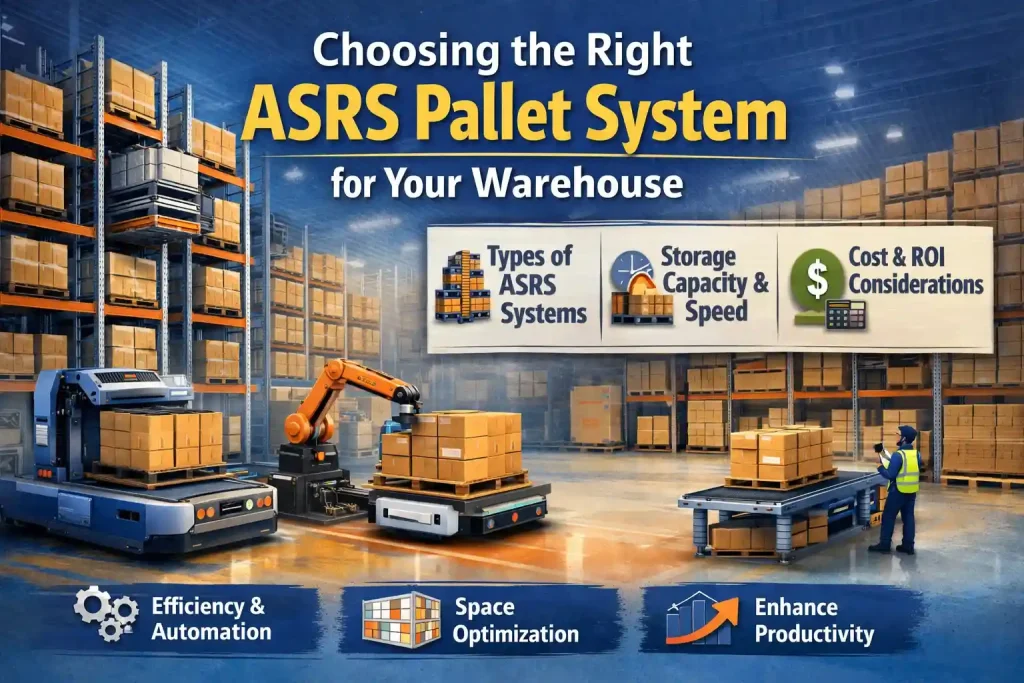
A pharmaceutical company in Bengaluru needed pallets for an automated storage and retrieval system with precise dimensional tolerances. Standard wooden pallets varied too much in measurements due to natural wood irregularities. Custom metal pallets from a specialized supplier delivered consistent dimensions within 2mm tolerances, enabling seamless automation integration.
This level of precision and customization represents a game-changing advantage for businesses investing in advanced warehouse equipment and automation technologies. Whether you’re running a small-scale operation in Jaipur or a large distribution hub in Chennai, customization ensures optimal performance.
Cost-Effectiveness: Looking Beyond the Price Tag
The initial sticker shock of metal pallets causes many purchasing managers to hesitate. A wooden pallet might cost ₹1,200-2,400, while metal alternatives range from ₹6,500-20,000. However, this comparison ignores the complete financial picture that becomes apparent over time.
The True Cost Analysis
Let’s break down what actually happens when an Indian warehouse operates 500 pallets over a decade. Wooden pallets seem economical initially at approximately ₹9,00,000 for the first purchase. However, they require replacement every 2-3 years, meaning you’ll buy them four more times, bringing total purchases to ₹45,00,000.
Add disposal costs during India’s increasingly stringent waste management enforcement—approximately ₹6,70,000 over ten years. Factor in product damage from broken pallets, splinters causing injuries, and insurance claims totaling another ₹9,60,000. Your seemingly economical wooden pallet investment reaches ₹61,30,000.
Meanwhile, metal pallets might cost ₹50,00,000 initially but require zero replacements during the same period. Minimal product damage adds perhaps ₹1,60,000 in costs. Your total? ₹51,60,000—a savings of nearly ₹10,00,000 over ten years.
Beyond direct costs, consider operational benefits that improve your bottom line:
- Reduced worker injuries: No splinters or nail hazards means lower compensation claims
- Lower insurance premiums: Decreased liability from fewer workplace accidents
- Minimal storage space: Higher strength allows taller, denser stacking in expensive urban real estate
- Resale value: Metal pallets retain 40-60% of their original value at the end of life
A logistics company in Delhi calculated they saved ₹34,00,000 annually after switching to metal pallets across three facilities—purely from eliminated replacement cycles and reduced product damage during transit.
After-Sales Support: The Partnership Difference
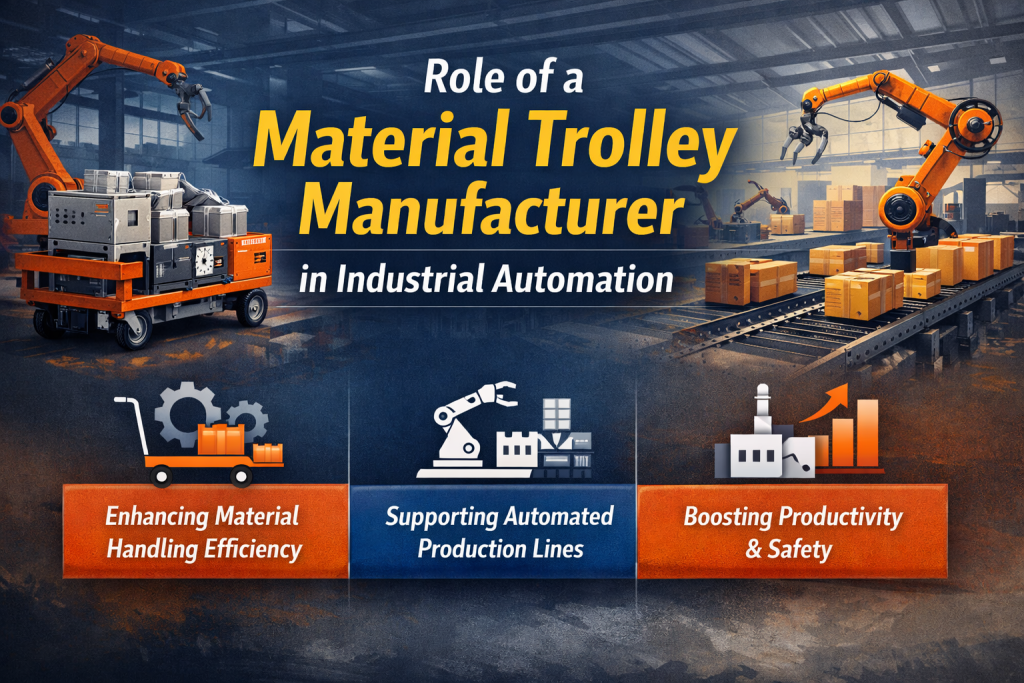
Purchasing industrial trolleys or warehouse equipment isn’t a transaction—it’s establishing a partnership. The level of after-sales support varies dramatically between suppliers across India and can make or break your operational continuity.
What Exceptional Support Looks Like?
When evaluating any trolley supplier or pallet manufacturer operating in India, demand clarity on these support elements:
- Warranty coverage: Comprehensive protection against manufacturing defects. Look for manufacturers offering 5+ year warranties with clear terms. Many Indian manufacturers now match international standards, understanding that warranty confidence drives purchase decisions.
- Replacement timelines: Guaranteed delivery windows for damaged unit replacements. In India’s vast geography, ensuring your supplier can deliver to Tier 2 and Tier 3 cities matters as much as metro coverage.
- Maintenance guidance: Detailed protocols for inspection and upkeep that your team can implement without constant external support. This includes training sessions for your warehouse staff.
- Technical consultation: Access to engineers for integration challenges, especially important when retrofitting metal pallets into existing wooden pallet workflows.
- Retrofit services: Modification capabilities as your business needs evolve, whether expanding to new product lines or upgrading handling equipment.
One distribution center manager in Kolkata shared that when a forklift accident damaged 15 metal pallets, their supplier had replacements delivered within 48 hours, preventing a complete workflow disruption during peak season. That responsiveness transformed their perception from vendor to strategic partner.
Compare this to wooden pallet suppliers who typically offer zero warranty and no accountability for quality variations or structural failures.
Industry Expertise and Regulatory Compliance
Compliance isn’t optional—it’s an operational necessity. Different industries face unique regulatory landscapes across India that impact material handling choices, from state-level regulations to national manufacturing standards.
Navigating Complex Requirements
Experienced manufacturers understand industry-specific mandates affecting Indian businesses:
- ISPM 15 exemptions: Metal pallets avoid international shipping fumigation requirements, a significant advantage for export-oriented businesses. Wooden pallets require heat treatment and certification for international shipments, adding time and cost.
- GMP compliance: Good Manufacturing Practices for pharmaceutical environments, strictly enforced by CDSCO. Metal pallets naturally meet these standards without additional treatment.
- FSSAI standards: Food Safety and Standards Authority of India requirements for food handling and storage. Metal’s non-porous surface satisfies these regulations effortlessly.
- Fire safety codes: Non-combustible materials for certain facility types, particularly important in chemical storage and high-value inventory warehouses.
A medical device manufacturer in Gurgaon faced export delays because wooden pallets required heat treatment documentation for international shipments. Switching to metal eliminated this regulatory hurdle, cutting their export processing time by three days per shipment, a competitive advantage in time-sensitive medical supply chains.
Working with knowledgeable suppliers means receiving guidance on compliance requirements you might not even know exist—preventing costly mistakes before they happen. This expertise becomes particularly valuable when expanding operations across different Indian states with varying local regulations.
Innovation and Sustainability: Future-Proofing Your Operation
The warehouse equipment landscape evolves rapidly, and India’s manufacturing sector is catching up with global innovations. Forward-thinking businesses partner with manufacturers who invest in innovation and sustainable practices aligned with India’s environmental goals.
Emerging Technologies in Metal Pallet Design
Current innovations reshaping the Indian material handling industry include:
- IoT integration: Embedded sensors track location, temperature, and load weight. Several Indian manufacturers now offer pallets with IoT capabilities that integrate with warehouse management systems, providing real-time data for inventory optimization.
- Lightweight alloys: New material compositions reducing weight by 30% without sacrificing strength. This matters tremendously for manual handling operations still common in many Indian warehouses, and for reducing transportation costs.
- Modular systems: Interchangeable components for quick repairs, eliminating the need to replace entire pallets when one section gets damaged. This innovation particularly benefits businesses in remote locations where replacement delivery takes time.
- Recycled materials: High-quality pallets manufactured from 90%+ recycled steel, supporting India’s circular economy initiatives and meeting corporate sustainability commitments.
Additionally, metal pallets support sustainability goals that increasingly influence corporate procurement decisions in India. They’re infinitely recyclable, produce no landfill waste, and reduce the carbon footprint associated with frequent wooden pallet replacement and disposal. With India’s growing focus on environmental responsibility and waste reduction targets, this alignment matters.
Several major Indian retailers have announced commitments to eliminate wooden pallets from their supply chains by 2027 as part of their zero-waste initiatives. They’re partnering exclusively with metal pallet suppliers who can demonstrate closed-loop recycling programs and local manufacturing to reduce transportation emissions.
Conclusion:-
The evidence is overwhelming: metal pallets deliver superior performance, exceptional longevity, and better total cost of ownership than traditional wooden alternatives for Indian warehousing operations. They meet stringent hygiene requirements, offer extensive customization, and align with sustainability commitments that define modern corporate responsibility.
However, success depends entirely on choosing the right manufacturing partner—one with proven expertise across India’s diverse industrial sectors, robust support infrastructure reaching beyond metro cities, and genuine commitment to your operational success. When evaluating options, prioritize suppliers who understand your industry’s unique challenges and can deliver tailored solutions.
Kole Global has established itself as a trusted name in India’s material handling space, offering comprehensive warehouse equipment solutions backed by engineering excellence and customer-focused support. Whether you’re transitioning an entire facility or testing metal pallets in a pilot program, the right partnership transforms this investment from a procurement decision into a strategic operational advantage.
Don’t let outdated material handling limit your warehouse potential. The shift to metal pallets isn’t just about better equipment—it’s about building a more efficient, safer, and sustainable operation for the future of Indian manufacturing and distribution.
Frequently Asked Questions:-
1. Are metal pallets really worth the higher initial cost compared to wooden pallets?
- Absolutely. While metal pallets cost more upfront (₹6,500-20,000 vs ₹1,200-2,400 for wooden), they last 10-15 years without replacement compared to wooden pallets’ 2-3 year lifespan. Over a decade, you’ll actually save ₹8-10 lakhs per 500 pallets when factoring in replacements, disposal costs, and reduced product damage. The ROI becomes positive within 3-4 years.
2. Can metal pallets handle India’s monsoon and humidity conditions?
- Yes, exceptionally well. Unlike wooden pallets that warp, swell, and rot during monsoon season, metal pallets are completely moisture-resistant. They maintain structural integrity in high-humidity environments across India, from Kerala’s coastal warehouses to Mumbai’s monsoon-heavy facilities. This weather resistance is actually one of the biggest advantages for Indian operations.
3. Do metal pallets require special handling equipment or training?
- No special equipment needed. Metal pallets work with your existing forklifts, pallet jacks, and warehouse systems. They’re designed for standard four-way forklift entry. Your team will find them easier to handle since they don’t splinter or have protruding nails. Most suppliers provide basic training during installation, but the transition is straightforward for experienced warehouse staff.
4. Are metal pallets compliant with food and pharmaceutical industry regulations in India?
- Yes, they exceed compliance requirements. Metal pallets meet FSSAI standards for food handling and CDSCO’s GMP requirements for pharmaceuticals. Their non-porous, easy-to-sanitize surface prevents bacterial growth and contamination, something wooden pallets cannot guarantee. They’re also exempt from ISPM 15 fumigation requirements for international exports, saving time and documentation hassles.
5. What happens to metal pallets at the end of their lifespan?
- Metal pallets are 100% recyclable and retain 40-60% of their original value even after 10-15 years of use. Unlike wooden pallets that end up in landfills, metal pallets can be sold to scrap dealers or returned to manufacturers for recycling into new products. This supports sustainability goals and provides financial recovery, making them environmentally and economically superior at end-of-life.