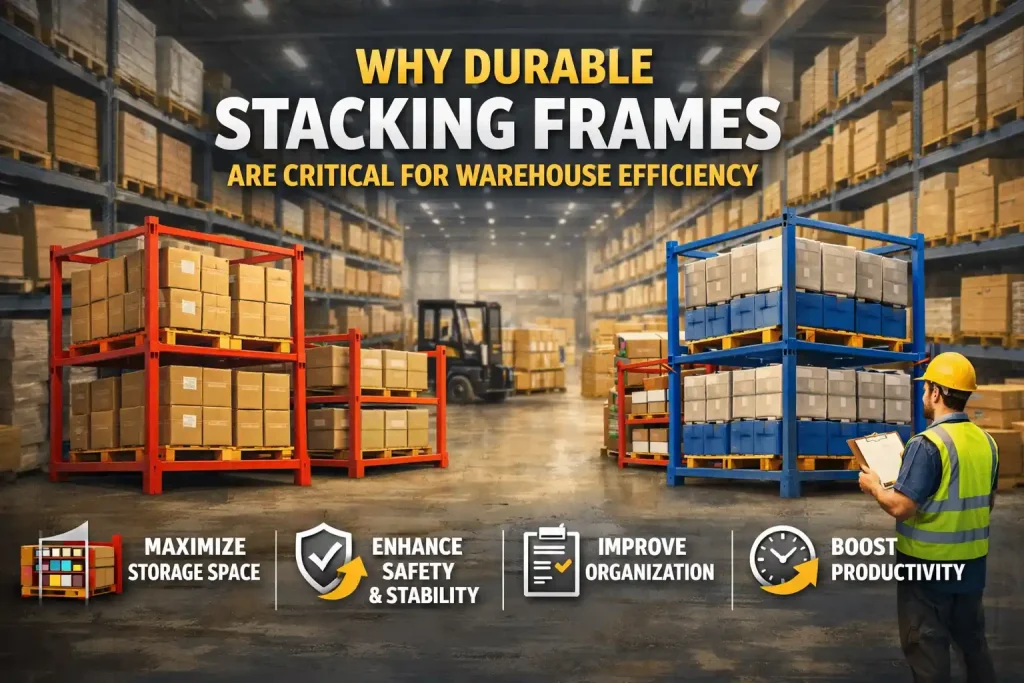
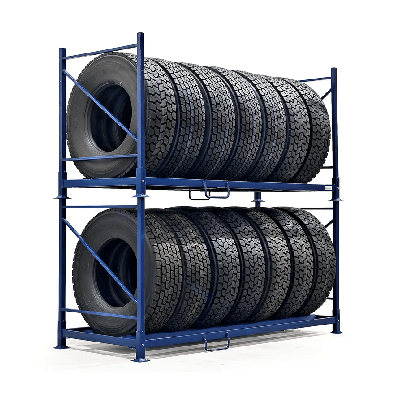
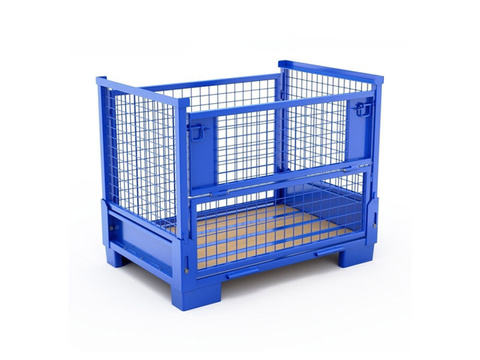
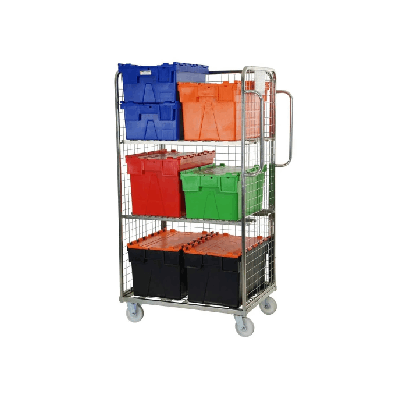
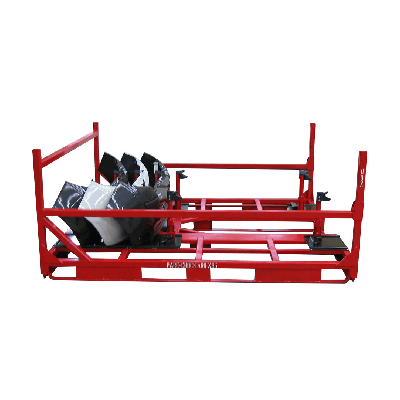
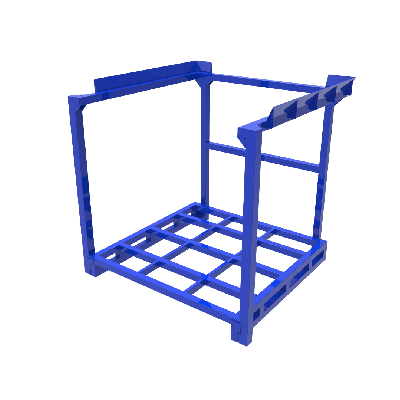








Modern warehouses face unprecedented pressure to maximize every square foot of storage space while maintaining operational speed and safety. In this high-stakes environment, the equipment you choose can make or break your efficiency metrics. Among the most overlooked yet essential components are stacking frames, the silent workhorses that transform vertical space into profit-generating storage capacity.
But here’s the challenge: not all stacking frames are created equal. The difference between a well-engineered frame and a substandard one can mean the difference between seamless operations and costly downtime. When selecting equipment for your facility, partnering with a reputable Stacking Frame Manufacturer becomes crucial to your long-term success. The right manufacturer doesn’t just sell you metal structures; they provide engineered solutions that adapt to your unique operational demands, safety requirements, and growth trajectory. This article explores why durability matters and what factors separate exceptional stacking frames from mediocre alternatives.
Table of Contents
ToggleQuality and Durability Standards: The Foundation of Reliable Storage
Why Material Quality Cannot Be Compromised
The backbone of any effective stacking frame lies in the materials used during fabrication. Industrial-grade steel with proper tensile strength ensures your frames can handle repetitive loading cycles without structural fatigue.
Key durability indicators include:
- High-grade steel composition (typically 40-50 grade minimum)
- Corrosion-resistant coatings or galvanization
- Reinforced welding points at stress junctions
- Load-tested certifications from recognized bodies
Consider a distribution center handling automotive parts. Their stacking frames endure constant forklift interaction, variable weight loads, and exposure to temperature fluctuations. Frames built with inferior materials begin showing stress cracks within 18-24 months, requiring replacement and causing operational disruptions. Conversely, premium frames from established manufacturers often exceed 10-year lifespans with minimal maintenance.
The cost differential between budget and quality frames might seem significant initially, perhaps 30-40% more, but when calculated over the product lifecycle, premium frames deliver 3-4 times better ROI through reduced replacement frequency and zero unplanned downtime.
Compliance with International Standards
Reputable manufacturers adhere to stringent industry certifications like ISO 9001, CE marking, and specific regional safety standards. These aren’t just badges; they represent rigorous testing protocols that verify load capacity, stability under stress, and safety margins. Always request compliance documentation before procurement.
Customization Capabilities: One Size Never Fits All
Adapting to Your Unique Operational Footprint
Every warehouse operates differently. A pharmaceutical cold storage facility has vastly different requirements than a textile distribution center. This is where customization becomes non-negotiable.
Customization dimensions that matter:
- Height variations: Standard frames might be 1200mm or 1500mm, but custom solutions can accommodate ceiling heights ranging from 2400mm to 12000mm
- Load capacity specifications: From 500kg for light goods to 3000kg+ for heavy industrial components
- Stackability configurations: Two-high, three-high, or even five-high stacking, depending on stability requirements
- Integration features: Fork pockets positioned for specific forklift types, identification plate placements, or RFID tag housing
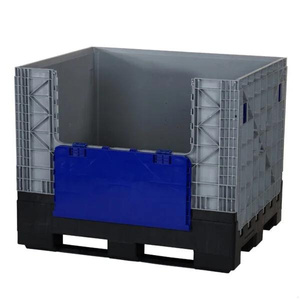
A real-world example: An e-commerce fulfillment center needed frames that could stack fragile electronics during peak season but collapse for compact storage during low-demand periods. Working closely with a Stacking Frame Manufacturer, they developed a collapsible design with safety locks that reduced off-season storage footprint by 75% while maintaining full load integrity during operations.
The best manufacturers don’t offer off-the-shelf solutions; they conduct site assessments, analyze your product mix, evaluate your material handling equipment, and engineer frames that integrate seamlessly into your existing workflow.
After-Sales Support and Warranty: Your Safety Net
What Happens After the Purchase?
The relationship with your Stacking Frame Manufacturer shouldn’t end at delivery. Exceptional manufacturers view the sale as the beginning of a partnership.
Critical after-sales elements:
- Comprehensive warranty coverage: Minimum 3-5 years covering manufacturing defects, structural failures, and coating degradation
- Technical support accessibility: Dedicated support teams who understand your specific frame configurations
- Replacement part availability: Quick access to components like corner posts, locking mechanisms, or mesh panels
- Periodic inspection services: Some manufacturers offer annual safety audits to identify wear patterns
A beverage distribution company experienced a coating failure on 200 frames after 18 months. Their manufacturer immediately dispatched a team, conducted root-cause analysis, and replaced all affected frames at no cost while implementing improved coating processes. This level of accountability distinguishes industry leaders from budget suppliers.
Additionally, look for manufacturers offering training programs for your warehouse staff. Proper handling significantly extends frame lifespan and prevents misuse-related failures.
Industry Expertise and Compliance: Knowledge That Protects Your Investment
Sector-Specific Understanding Makes the Difference
Different industries face unique challenges. A manufacturer serving multiple sectors brings invaluable cross-pollination of solutions.
Industry-specific considerations:
- Food and beverage: Frames requiring FDA-compliant coatings, easy-clean designs, and moisture resistance
- Pharmaceuticals: Temperature-resistant materials, static-free options, and cleanroom compatibility
- Automotive: Heavy-load capacities, oil-resistant finishes, and integration with automated systems
- Retail distribution: High-turnover designs with quick identification systems
Manufacturers with deep industry expertise anticipate challenges you might not recognize. For instance, they know that certain chemical products require frames with specific coating types to prevent corrosive reactions. They understand that cold storage environments need materials that won’t become brittle at sub-zero temperatures.
This expertise also extends to regulatory compliance. Experienced manufacturers stay current with OSHA requirements, fire safety codes, and insurance industry standards, ensuring your frames won’t become liability risks during audits.
Innovation and Technology Integration: Future-Proofing Your Operations
Smart Warehousing Requires Smart Equipment
The warehouse of tomorrow is digital, automated, and data-driven. Progressive manufacturers are embedding technology into traditional stacking frames.
Emerging innovations include:
- RFID and IoT integration: Frames with embedded sensors tracking load weights, movement history, and maintenance needs
- Material advancements: Composite materials offering steel-like strength at reduced weight
- Modular designs: Frames that can be reconfigured as business needs evolve
- Sustainability features: Recyclable materials, reduced carbon footprints in manufacturing, and longer lifecycles, reducing waste
Consider automation compatibility. If your warehouse plans to introduce autonomous mobile robots (AMRs) or automated storage and retrieval systems (AS/RS) in the next 5-10 years, your stacking frames need precise dimensional consistency and marking systems that robots can recognize.
Forward-thinking stacking frame manufacturer don’t just solve today’s problems; they engineer solutions that adapt to tomorrow’s technologies, protecting your capital investment against obsolescence.
Conclusion
Durable stacking frames represent far more than simple storage equipment—they’re strategic assets that directly impact your warehouse’s safety, efficiency, and profitability. The decision to partner with the right manufacturer carries long-term consequences that ripple through every aspect of your operations.
When evaluating options, look beyond price lists and focus on total value: quality materials, customization capabilities, genuine after-sales commitment, industry expertise, and an innovation mindset. These factors separate manufacturers who sell products from partners who deliver solutions.
As you assess your warehouse storage needs, consider Kole Global as a trusted partner committed to engineering excellence, customer success, and sustainable operational efficiency. The right stacking frames, backed by the right manufacturer, transform storage challenges into competitive advantages.
Ready to optimize your warehouse efficiency? Contact a qualified stacking frame specialist today for a customized assessment of your facility’s unique requirements. Your future productivity depends on the decisions you make now.
Frequently Asked Questions:-
1. What is the average lifespan of a quality stacking frame?
- Premium stacking frames from reputable manufacturers typically last 10-15 years with proper maintenance. Budget alternatives may require replacement every 2-3 years, making quality frames more cost-effective long-term.
2. How do I determine the right load capacity for my warehouse?
- Calculate your heaviest typical load and add a 20-25% safety margin. Consult with your Stacking Frame Manufacturer for site-specific assessments based on your product mix, stacking height, and material handling equipment.
3. Can stacking frames be customized for automated warehouses?
- Yes, modern stacking frames can be engineered with precise dimensions, RFID integration, and robot-readable markings to work seamlessly with automated storage systems and autonomous mobile robots (AMRs).
4. What certifications should I look for when buying stacking frames?
- Look for ISO 9001 certification, CE marking, and compliance with local safety standards (OSHA in the US). Request load-testing certificates and material composition documentation from your manufacturer.
5. Are collapsible stacking frames as durable as fixed frames?
- High-quality collapsible frames can match the durability of fixed stacking frames when properly engineered. They include safety locking mechanisms and reinforced joints, offering space-saving benefits without compromising structural integrity.