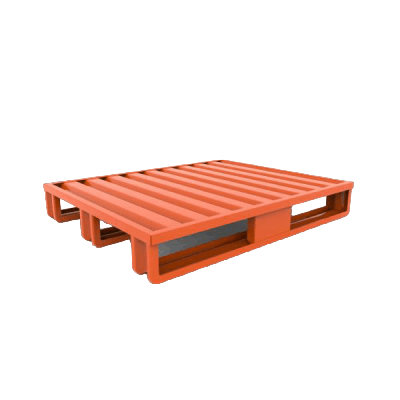
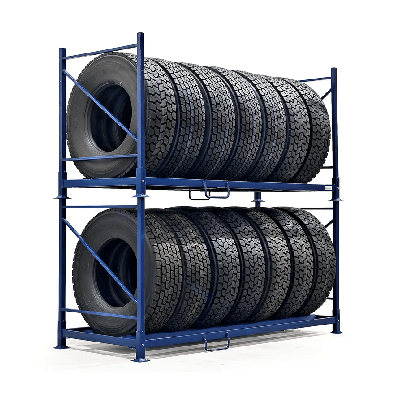
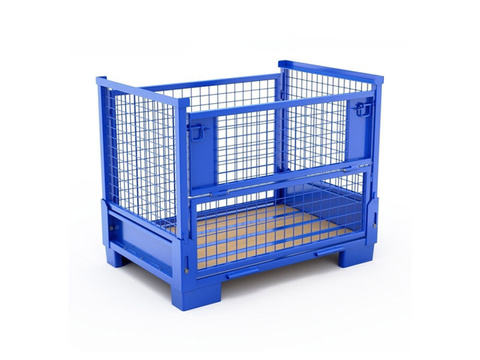








In today’s complex supply chains, efficiency is no longer driven by isolated decisions—it’s shaped by how well design, storage, transport, and handling work together. This is especially true for businesses dealing with heavy, awkward, or high-value components. A Stillage Manufacturer is often brought in to design metal stillages that safely store and transport goods, but many companies stop there. That’s a missed opportunity.
Modern logistics challenges demand more than a fabricated steel frame. They require insight into warehouse flow, load optimization, transport constraints, and return logistics. When your stillage supplier understands these elements, the stillage itself becomes a strategic asset rather than a static container. According to industry estimates, inefficient material handling can account for up to 20–30% of total logistics costs in manufacturing-heavy sectors. Even small design inefficiencies—like wasted vertical space or incompatible footprints—can quietly erode margins.
This is why forward-thinking companies are re-evaluating the role of their stillage partners. Instead of treating them as fabricators alone, they’re choosing partners who can also think like logistics consultants—bridging the gap between design and supply chain performance.
Table of Contents
ToggleThe Evolving Role of Stillages in Modern Supply Chains
Stillage systems were once designed with a single goal: hold parts securely. While that function remains critical, the role of stillages has expanded dramatically as supply chains have grown more integrated and data-driven.
From Static Storage to Dynamic Logistics Tools
Today’s stillages are expected to move seamlessly across multiple touchpoints—factory floors, warehouses, trucks, ships, and even automated handling systems. Each transition introduces risks and costs. A poorly designed stillage may fit the product but fail in transport efficiency or warehouse compatibility.
For example, non-stackable stillages increase floor space requirements, while inconsistent footprints disrupt pallet racking systems. In contrast, logistics-aware designs can improve cube utilization by up to 15%, according to internal studies cited by third-party logistics providers. This shift transforms stillages into dynamic logistics tools rather than passive containers.
Why Design Decisions Affect the Entire Chain
Every design choice—material thickness, base dimensions, lifting points—has downstream consequences. A stillage that’s too heavy raises transport costs. One that doesn’t nest or fold increases return shipping expenses. When manufacturers design in isolation, these issues surface too late, often after large production runs.
A stillage partner with logistics insight anticipates these challenges early, saving both time and cost across the supply chain.
Why Logistics Expertise Matters in Stillage Manufacturing?
Combining manufacturing capability with logistics understanding creates a powerful advantage. It allows stillages to be engineered not just for strength, but for efficiency across real-world conditions.
Understanding Transport Constraints
Transport is one of the largest cost centers in logistics. Whether goods move by road, sea, or rail, every centimeter and kilogram matters. A logistics-savvy stillage manufacturer understands standard trailer dimensions, container sizes, and weight limits.
By designing stillages that maximize container fill rates or allow double-stacking without compromising safety, companies can reduce trips and fuel consumption. Industry benchmarks suggest that improving load optimization by just 10% can cut transport costs by up to 8% annually.
Warehouse Flow and Handling Efficiency
Inside the warehouse, stillages interact with forklifts, cranes, conveyors, and sometimes automated guided vehicles (AGVs). Poorly positioned fork pockets or unstable stacking designs slow down operations and increase accident risks.
A manufacturer who thinks like a logistics consultant will ask questions such as:
- How often will the stillage be handled?
- What equipment will move it?
- Will it be stored in racking or on the floor?
These considerations lead to designs that improve handling speed, reduce damage, and enhance worker safety.
Cost Optimization Through Integrated Design and Logistics Thinking
One of the strongest arguments for choosing a dual-role partner is cost optimization—not just upfront, but across the stillage’s entire lifecycle.
Reducing Total Cost of Ownership (TCO)
The purchase price of a stillage is only part of the equation. Maintenance, storage, transport, and replacement costs all contribute to total cost of ownership. A cheaper stillage that wastes space or deforms quickly may ultimately cost more.
Logistics-informed manufacturers design for durability, reparability, and efficient storage. For instance, collapsible or nestable stillages can reduce empty return transport costs by 40–60%, a significant saving for closed-loop supply chains.
Balancing Standardization and Customization
Standard stillages are cost-effective, but they don’t always align perfectly with specific products or logistics flows. Fully custom designs, on the other hand, can be expensive and inflexible.
A partner with consulting capability helps strike the right balance—customizing only where it delivers measurable logistics value. This approach ensures capital is spent where it generates real operational returns.
Sustainability and Compliance: A Logistics-Driven Advantage
Sustainability is no longer optional. Customers, regulators, and investors increasingly expect measurable reductions in environmental impact. Stillage design plays a surprisingly large role in meeting these expectations.
Lower Emissions Through Smarter Design
Efficient stillages reduce transport frequency and improve load density, directly lowering fuel consumption and emissions. Lightweight yet strong designs can further reduce the carbon footprint per unit shipped.
According to logistics sustainability reports, transport efficiency improvements are among the fastest ways for manufacturers to cut Scope 3 emissions. A stillage manufacturer with logistics insight can align design decisions with these sustainability goals from the outset.
Meeting Industry Standards and Regulations
Different industries—automotive, aerospace, construction—face strict handling and safety regulations. A logistics-aware partner understands these standards and designs stillages that comply across borders and transport modes.
This reduces the risk of non-compliance penalties, shipment delays, or rejected loads, all of which can disrupt supply chains and damage customer relationships.
When to Choose a Stillage Manufacturer with Consulting Capabilities
Not every operation requires deep logistics consulting, but certain scenarios make it especially valuable.
Complex or Global Supply Chains
If your products move across multiple countries or transport modes, the cost of inefficiency multiplies quickly. In such cases, integrated design and logistics thinking delivers outsized benefits.
High-Value or Fragile Components
When damage is costly, stillage design must account for vibration, stacking pressure, and handling frequency. A consulting-oriented manufacturer evaluates these risks holistically.
Rapid Growth or Process Change
Businesses scaling quickly or reconfiguring warehouses often outgrow their existing stillage systems. A partner who understands logistics can adapt designs proactively, avoiding costly retrofits later.
Conclusion
Choosing the right stillage partner is no longer just about steel, welds, and load ratings. In an era where logistics performance defines competitiveness, the most valuable partners are those who understand how products move, not just how they’re stored. When a stillage manufacturer also acts as a logistics consultant, design decisions are guided by real operational insight—reducing transport costs, improving warehouse efficiency, and supporting sustainability goals.
This integrated approach turns stillages into strategic assets that actively support supply chain performance rather than quietly draining resources. Companies that embrace this mindset often discover savings and efficiencies they didn’t realize were possible, simply by rethinking who they involve at the design stage.
Ultimately, the strongest partnerships are built on shared accountability for outcomes, not just deliverables. That’s why businesses looking to future-proof their material handling systems increasingly align with partners like Kole Pallet, who understand that effective stillage design and smart logistics thinking are inseparable.
Frequently Asked Questions:-
1. What does a stillage manufacturer do beyond fabricating stillages?
- A modern stillage manufacturer does more than fabricate metal frames. They can analyze how goods move through warehouses and transport networks, helping design stillages that improve handling efficiency, reduce damage, and lower overall logistics costs.
2. Why is logistics expertise important in stillage design?
- Logistics expertise ensures that stillages are designed to optimize space, weight, and handling across the entire supply chain. This results in improved container utilization, streamlined warehouse operations, and lower transport and storage costs.
3. How can integrated stillage and logistics planning reduce costs?
- By considering transport, storage, and return logistics during the design stage, businesses can lower the total cost of ownership. Features like stackability, collapsibility, and standardized footprints can significantly cut shipping and storage costs over time.
4. Are custom stillages always better than standard designs?
- Not necessarily. While custom stillages can improve protection and fit, standard designs are often more cost-effective. A logistics-aware manufacturer helps balance customization and standardization to achieve the best operational and financial outcome.
5. When should a business choose a stillage manufacturer with logistics consulting capabilities?
- This approach is ideal for companies with complex supply chains, high-value or fragile components, or operations undergoing growth or change. In these situations, logistics-informed stillage design delivers greater efficiency, compliance, and long-term value.