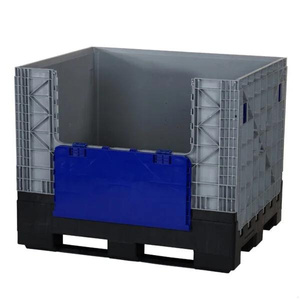













Efficient storage and smooth logistics are the backbone of any successful supply chain. Whether you run a manufacturing unit, a retail distribution center, or an e-commerce warehouse, the pallet you choose can directly impact safety, costs, and operational speed. While pallets may seem like a small detail, the wrong choice can lead to damaged goods, wasted space, and higher handling expenses.
Why Pallet Selection Matters More Than You Think?
Pallets are far more than just frames for stacking merchandise. They influence how efficiently products move through your warehouse, how safely employees operate equipment, and how well your inventory is protected during storage and transportation.
A well-chosen palette can:
- Improve workflow and reduce handling time
- Minimize product damage
- Optimize storage space
- Lower long-term operational costs
On the other hand, poorly selected pallets may crack under pressure, fail compliance standards, or require frequent replacement—leading to hidden costs that add up quickly.
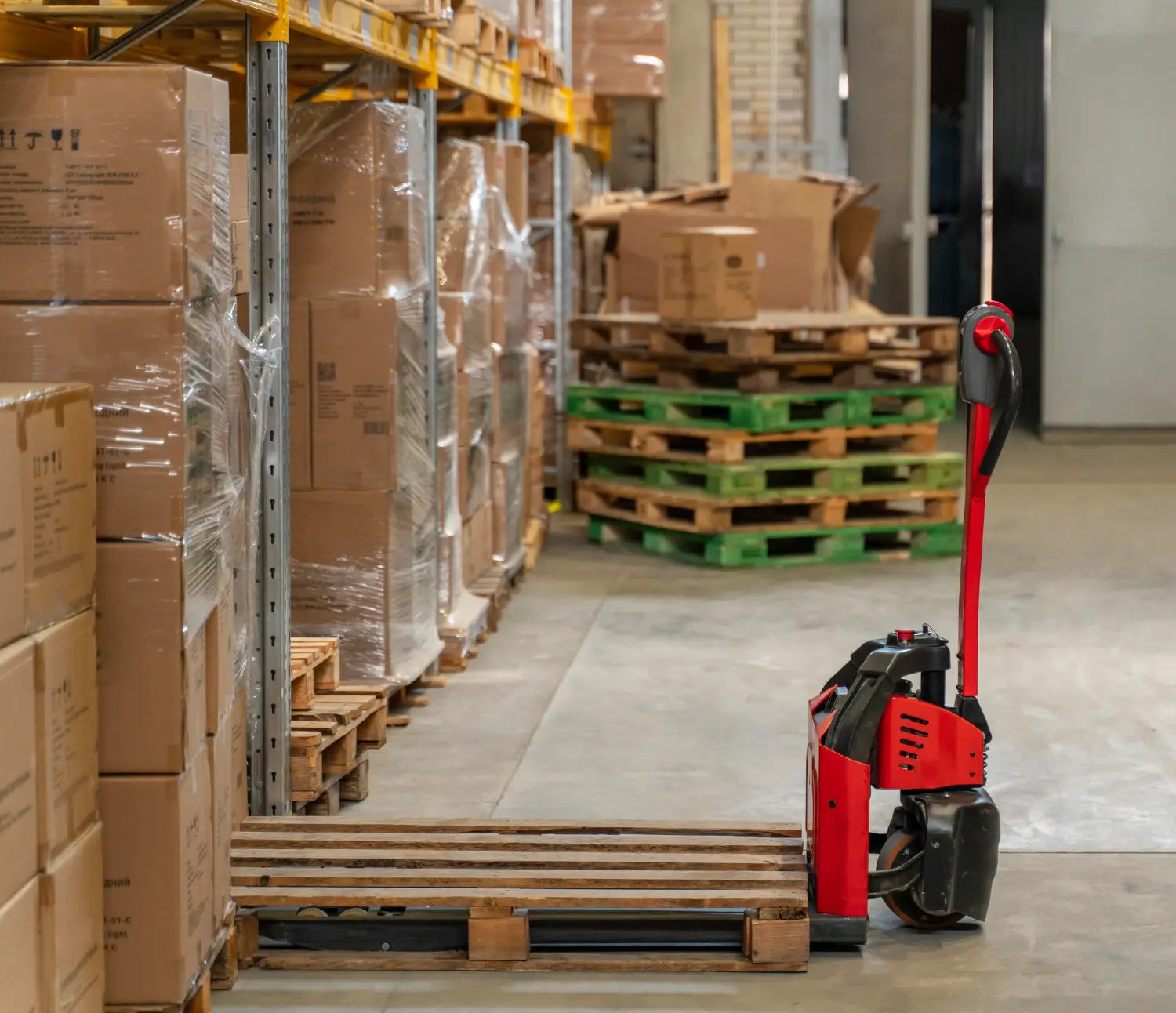
Understanding Different Types of Pallet Materials
One of the first decisions you’ll make is choosing the pallet material. According to your business requirements, each type has unique strengths and limitations.
Wooden Pallets
Wooden pallets are extensively utilised since they are inexpensive and readily available. They are strong, easy to repair, and suitable for heavy loads. However, they can absorb moisture, harbor pests, and may not meet certain hygiene standards without treatment.
Plastic Pallets
Plastic pallets are strong, light, and resistant to humidity and chemicals. They are ideal for industries like food, pharmaceuticals, and healthcare. While the upfront cost is higher, their long lifespan often makes them cost-effective over time.
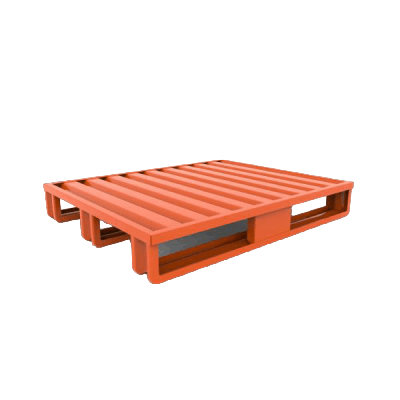
Metal Pallets
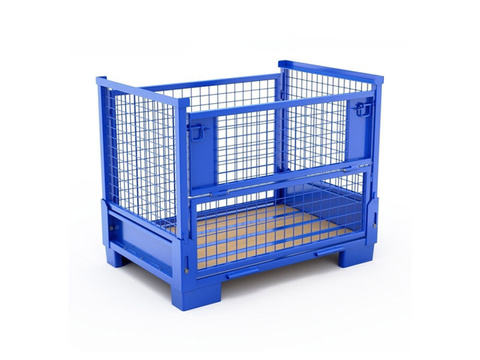
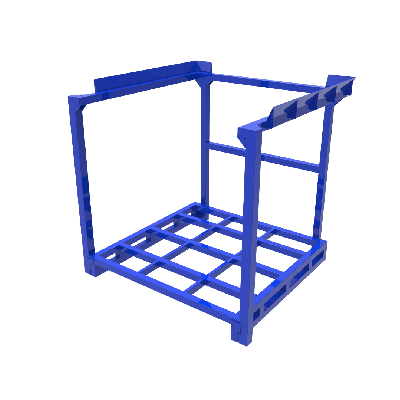
Metal pallets, typically made of steel or aluminum, are designed for extremely heavy loads and high-risk environments. They are fire-resistant and long-lasting, but come with a higher price tag and weight.
Presswood and Composite Pallets
These pallets are made from recycled wood fibers or mixed materials. They are lightweight, consistent in size, and often compliant with international shipping regulations, making them a good choice for export-focused businesses.
Load Capacity and Weight Considerations
Every pallet has a load rating that determines how much weight it can safely carry. Choosing a pallet that doesn’t match your load requirements can lead to breakage, safety hazards, and damaged inventory.
When evaluating load capacity, consider:
- Static load: The pallet’s weight capacity while stationary
- Dynamic load: The weight it can carry while being moved
- Racking load: The weight it can support when placed on storage racks
Always select pallets that exceed your average load requirements to ensure safety and durability.
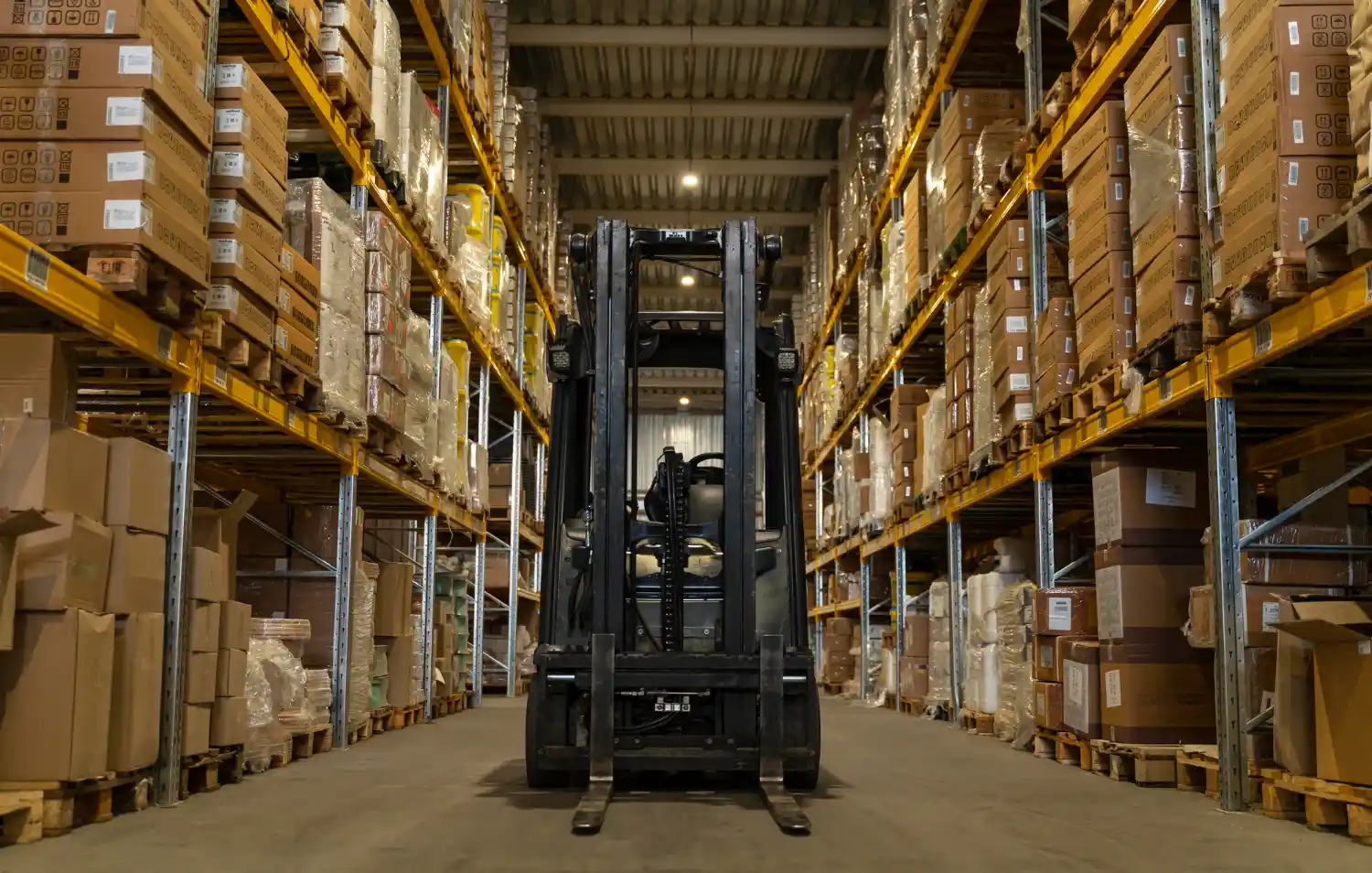
Pallet Size and Compatibility with Equipment
Standard pallet sizes vary by region, and choosing the right size ensures compatibility with forklifts, pallet jacks, conveyors, and storage racks.
Before finalizing a pallet size, evaluate:
- Warehouse aisle width
- Racking system dimensions
- Truck and container sizes
- Automated handling systems, if any
Using non-standard sizes may result in inefficient space utilization or necessitate costly equipment adjustments.
Storage Environment and Operating Conditions
Your warehouse environment plays a critical role in pallet performance. Temperature, humidity, and exposure to chemicals can all affect durability.
For example:
- High-humidity environments may cause wooden pallets to warp or rot
- Cold storage facilities often require plastic or metal pallets
- Chemical exposure may degrade untreated materials
Matching the pallet material to your environment helps prevent premature wear and operational disruptions.
Compliance, Safety, and Industry Regulations
Many industries must adhere to strict safety and hygiene standards. Pallets used in the food, beverage, and pharmaceutical sectors often need to meet specific regulatory requirements.
Key compliance factors include:
- Heat treatment or fumigation for export
- Hygienic design to prevent contamination
- Fire resistance and load safety standards
Failing to comply can result in rejected shipments, fines, or reputational damage.
Cost vs. Long-Term Value
While it’s tempting to focus on upfront costs, pallet selection should be viewed as a long-term investment. A cheaper pallet that needs frequent replacement may cost more over time than a durable option with a higher initial price.
To assess value, consider:
- Expected lifespan
- Maintenance and repair needs
- Replacement frequency
- Impact on product damage and labor efficiency
Balancing cost with performance ensures you get the most value from your investment.
Sustainability and Environmental Impact
Sustainability is becoming a priority for many businesses. Eco-friendly pallets can help reduce waste and support corporate social responsibility goals.
Options to explore include:
- Recycled or recyclable materials
- Reusable pallet systems
- Pallet pooling and recovery programs
Choosing sustainable solutions can also enhance your brand image and appeal to environmentally conscious partners and customers.
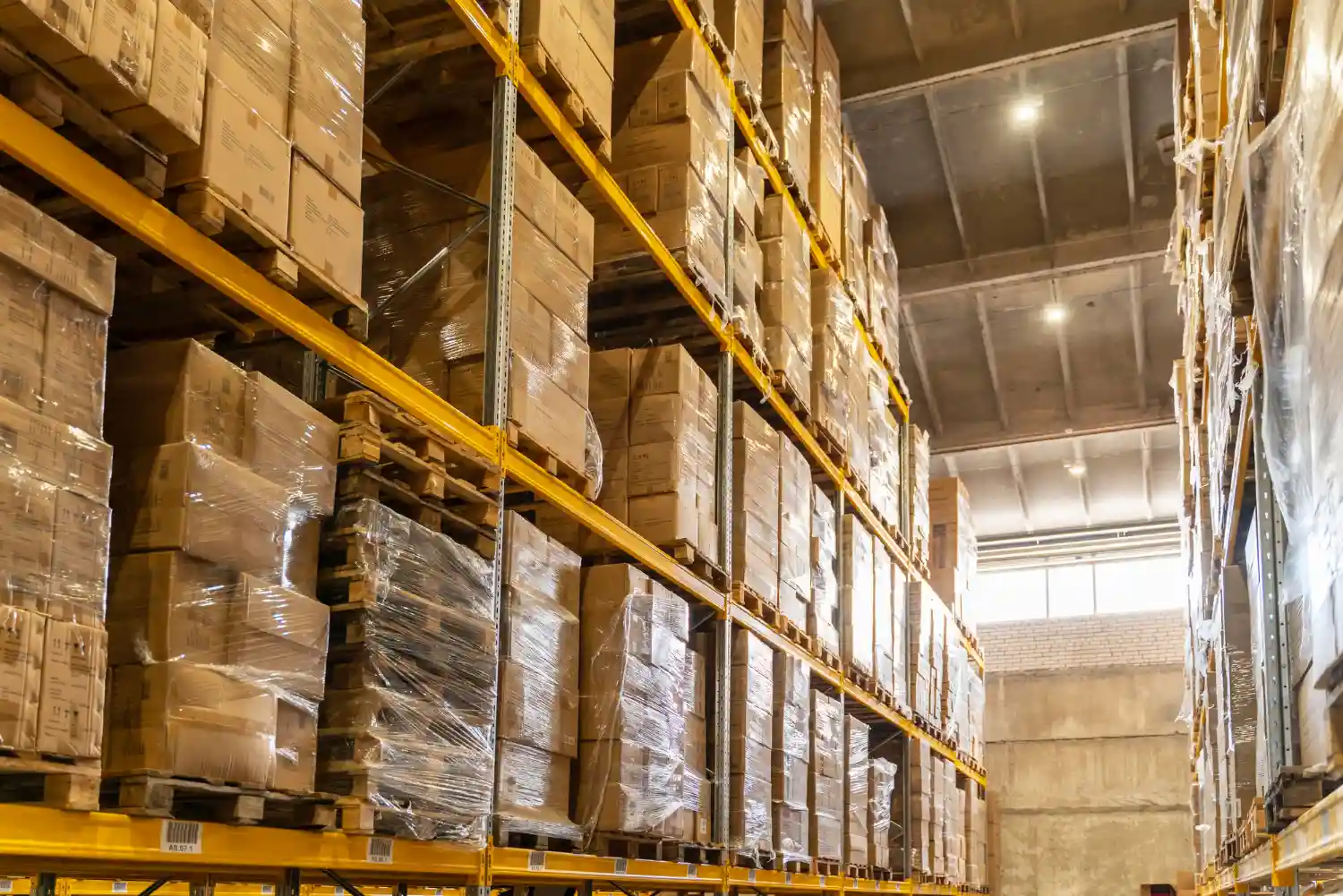
Common Mistakes to Avoid When Choosing Pallets
Many businesses make avoidable errors during pallet selection. Understanding these dangers can help you save time and money.
Common mistakes include:
- Ignoring load requirements
- Overlooking environmental conditions
- Choosing based solely on price
- Failing to consider equipment compatibility
A thoughtful, strategic approach helps you avoid these issues and ensures smoother operations.
Making the Right Decision for Your Business
There is no one-size-fits-all solution when it comes to pallets. The best choice depends on your products, warehouse layout, industry regulations, and long-term goals. Taking the time to evaluate your needs and consult with experienced suppliers can make a significant difference.
By selecting the right Warehouse Pallet, you create a stronger foundation for efficient logistics, safer handling, and sustainable growth. Investing wisely today can lead to measurable operational improvements tomorrow.
Conclusion
Choosing the right pallet is a strategic decision that affects every part of your supply chain. From material and load capacity to compliance and sustainability, each factor plays a vital role in overall efficiency. A carefully selected Warehouse Pallet not only protects your products but also enhances workflow and reduces costs over time. By partnering with a reliable provider like Kole Pallet, businesses can gain expert guidance and access to pallet solutions that align perfectly with their operational needs and future growth.
Frequently Asked Questions:-
1. Why is choosing the right pallet important for warehouse operations?
- Selecting the right pallet helps improve efficiency, reduce product damage, enhance workplace safety, and lower long-term operational costs. The correct pallet supports smooth material handling and better use of warehouse space.
2. What pallet material is best for my business?
- The best pallet material depends on your industry, load requirements, and storage environment. Wooden pallets are cost-effective, plastic pallets are ideal for hygiene-sensitive industries, and metal pallets are suitable for heavy-duty or high-risk applications.
3. How do I determine the correct load capacity for a pallet?
- You should consider static, dynamic, and racking loads. Always choose a pallet that can safely handle more than your average load to ensure durability, prevent breakage, and maintain safety standards.
4. Are pallets required to meet specific industry regulations?
- Yes, many industries require pallets to comply with safety, hygiene, and export regulations. For example, international shipping often requires heat-treated pallets, while food and pharmaceutical industries need hygienic, contamination-resistant designs.
5. How can pallet selection support sustainability goals?
- Sustainable pallet choices include using recyclable materials, reusable pallet systems, or pallet pooling programs. These options reduce waste, lower environmental impact, and support long-term cost savings while enhancing brand reputation.