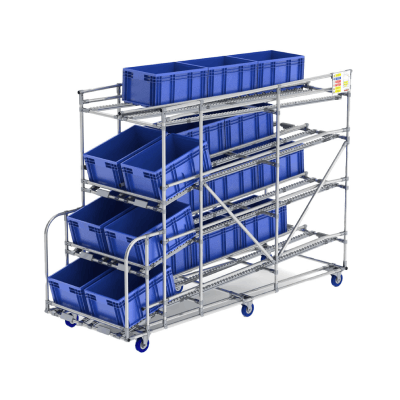
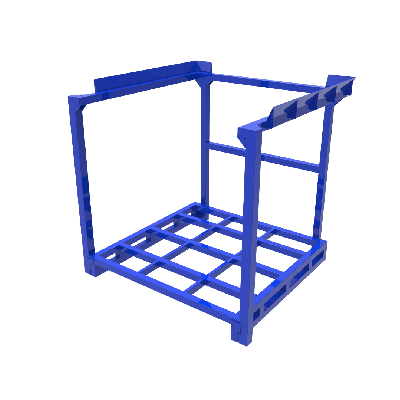
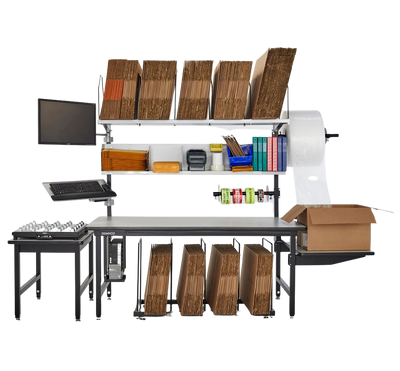
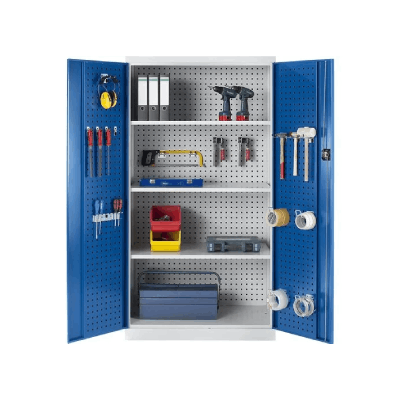








The industrial landscape is evolving faster than ever, and companies involved in material handling face unprecedented opportunities alongside complex challenges. For any Material Trolley Manufacturer, understanding these shifts isn’t just about staying relevant; it’s about leading the charge in innovation, efficiency, and customer satisfaction. From automation integration to sustainability demands, the trends reshaping factories and warehouses worldwide are creating new expectations for industrial trolleys and warehouse equipment. Whether you’re a seasoned trolley supplier or an emerging player in the material handling sector, recognizing these patterns can mean the difference between thriving and merely surviving. Today’s manufacturers must balance traditional craftsmanship with cutting-edge technology while meeting increasingly specific customer requirements. In this article, we’ll explore the critical trends that are transforming the industry and provide actionable insights to help you adapt, compete, and excel in this dynamic market.
Table of Contents
ToggleThe Shift Toward Automation and Smart Material Handling
Manufacturing facilities worldwide are embracing automation at an extraordinary pace. What does this mean for industrial trolleys? Simply put, material handling equipment now needs to integrate seamlessly with automated systems. Modern warehouses demand trolleys that can work alongside AGVs (Automated Guided Vehicles), conveyor systems, and robotic arms without creating bottlenecks or safety concerns.
Smart material handling isn’t just about robots, though. It’s about connectivity. IoT-enabled trolleys that track location, monitor load weight, and predict maintenance needs are becoming standard rather than exceptional. Forward-thinking manufacturers are incorporating sensors and RFID technology into their designs, allowing businesses to gather real-time data on their operations. This transition creates opportunities for manufacturers who invest in R&D while presenting challenges for those stuck in traditional production methods. The competitive advantage increasingly belongs to companies that can offer “intelligent” warehouse equipment that contributes to overall operational efficiency rather than simply moving materials from point A to point B.
Sustainability: The Non-Negotiable Growth Driver
Environmental responsibility has transformed from a nice-to-have feature into a fundamental business requirement. Industries across the board face mounting pressure to reduce their carbon footprint, and material handling is no exception. Companies now scrutinize every piece of equipment for its environmental impact, from manufacturing processes to end-of-life recyclability.
This trend manifests in several ways for trolley manufacturers. First, there’s increased demand for products made from recycled or sustainably sourced materials. Second, customers want equipment built to last, reducing waste through durability rather than disposability. Third, lightweight designs that require less energy to move are gaining favor, especially in facilities focused on reducing operational costs. Some manufacturers are even exploring modular designs that allow for component replacement rather than complete unit disposal.
Transparency matters too. Buyers increasingly request detailed information about manufacturing processes, carbon emissions, and sustainability certifications. A Material Trolley Manufacturer that can demonstrate genuine environmental stewardship—not just greenwashing- gains a significant competitive advantage. This might include showcasing energy-efficient production facilities, waste reduction programs, or partnerships with sustainable material suppliers. The message is clear: sustainability isn’t a trend that will fade; it’s the foundation of modern industrial growth.
Customization as a Competitive Differentiator
The era of one-size-fits-all industrial equipment is rapidly ending. Today’s businesses operate in diverse environments with unique challenges, and they expect their material handling solutions to reflect that specificity. Whether it’s a pharmaceutical facility requiring stainless steel construction for hygiene compliance or an e-commerce warehouse needing rapid-deployment trolleys for seasonal scaling, customization capabilities are becoming essential.
This shift requires manufacturers to rethink their production processes. Flexible manufacturing systems that can efficiently handle small-batch, customized orders are replacing traditional mass production models. Advanced design software allows for rapid prototyping and customer visualization, shortening the gap between concept and delivery. Some innovative companies now offer modular trolley systems where customers can configure components based on their specific needs, shelf heights, wheel types, handle positions, and load capacities can all be customized without requiring completely custom engineering.
The challenge, of course, is maintaining cost-effectiveness while offering customization. Successful manufacturers are finding the balance by creating standardized core platforms with customizable elements, allowing them to offer personalization without sacrificing efficiency. Those who master this balance position themselves as solution providers rather than simple equipment sellers, building deeper customer relationships and commanding premium pricing.
Digital Transformation and Direct Customer Engagement
The traditional distribution model, where manufacturers sold primarily through dealers and distributors, is undergoing significant disruption. Digital channels are enabling direct relationships between manufacturers and end users, fundamentally changing how business is conducted. This transformation affects everything from marketing and sales to customer service and product development.
A strong online presence is no longer optional. Customers research industrial trolleys extensively before making purchase decisions, comparing specifications, reading reviews, and seeking detailed technical information. Manufacturers who provide comprehensive digital resources, 3D product visualizations, downloadable CAD files, load calculators, and video demonstrations- capture these buyers’ attention. Some are even implementing configurators that let customers design their ideal trolley online and receive instant pricing.
Beyond marketing, digital transformation enables better customer service. Remote diagnostics, video-based technical support, and customer portals for tracking orders and accessing documentation are becoming standard expectations. For trolley suppliers, this means investing in technology infrastructure and training teams to operate in this new environment. The reward is stronger customer relationships, better feedback loops for product improvement, and reduced dependency on intermediary channels. Companies that embrace this transformation early gain market share from those clinging to traditional models.
Quality Standards and Regulatory Compliance
As global supply chains grow more complex and safety regulations become more stringent, quality and compliance have evolved from basic expectations to critical differentiators. Industries from healthcare to food processing impose specific requirements on material handling equipment, and manufacturers must stay ahead of evolving standards to remain competitive.
This trend has several implications. First, certification and testing protocols are becoming more rigorous. Customers increasingly demand documentation proving compliance with industry-specific standards, whether that’s FDA requirements for pharmaceutical applications, OSHA safety standards for workplace equipment, or international quality certifications like ISO. Second, traceability is essential. The ability to track every component’s origin and demonstrate quality control throughout manufacturing builds customer confidence and protects against liability issues.
Third, safety features are non-negotiable. Ergonomic designs that reduce worker injury risk, stability features that prevent tip-overs, and materials that don’t produce harmful emissions during use all factor into purchasing decisions. A Material Trolley Manufacturer that treats quality and compliance as foundational rather than supplementary creates products that command higher prices and generate stronger customer loyalty. Investing in quality management systems, regular auditing, and continuous improvement processes isn’t just about avoiding problems; it’s about building reputation and market position in an increasingly discerning marketplace.
The Rise of Service-Based Business Models
An intriguing shift is occurring in industrial equipment markets: the move from product-centric to service-centric business models. Rather than simply selling trolleys, progressive manufacturers are offering comprehensive solutions that include maintenance, leasing options, equipment-as-a-service arrangements, and lifecycle management support.
This transformation reflects changing customer priorities. Many businesses prefer predictable operational expenses over large capital investments. Leasing programs with maintenance included appeal to companies that want to maintain cash flow flexibility. Equipment-as-a-service models, where customers pay based on usage rather than ownership, are gaining traction in sectors with fluctuating demand. These arrangements often include regular inspections, preventive maintenance, and replacement of worn components, ensuring equipment remains in optimal condition while reducing customer burden.
For manufacturers, service-based models create recurring revenue streams and deeper customer relationships. They also provide valuable data on how products perform in real-world conditions, informing future design improvements. However, this approach requires different capabilities—robust service networks, inventory management for spare parts, and customer relationship management systems. Manufacturers who successfully transition to offering services alongside products diversify their income streams and increase customer lifetime value. Those who remain purely product-focused may find themselves competing primarily on price, a challenging position in commoditized markets.
Conclusion
The industrial landscape is transforming rapidly, and material handling equipment manufacturers must evolve to thrive. From embracing automation and sustainability to offering customization and digital engagement, the trends shaping the industry demand strategic adaptation. Quality, compliance, and service-oriented approaches aren’t optional extras; they’re fundamental to remaining competitive. Success requires balancing traditional manufacturing excellence with innovative thinking, customer-centric design, and technological integration.
For businesses seeking a Material Trolley Manufacturer that understands these dynamics, Kole Pallet stands as a trusted partner committed to quality, innovation, and customer success. Whether you need standard solutions or customized material handling equipment tailored to your unique requirements, staying informed about industry trends helps you make decisions that drive operational efficiency and long-term growth. The future belongs to manufacturers who don’t just follow trends but anticipate them, creating solutions that solve tomorrow’s challenges today. Invest in partners who demonstrate genuine expertise, embrace sustainability, and prioritize your success—because in this evolving industrial landscape, the right material handling solutions make all the difference.
Frequently Asked Questions:-
1. What are the most important trends affecting material trolley manufacturers today?
- The key trends include automation integration with IoT-enabled smart trolleys, sustainability requirements using eco-friendly materials, customization capabilities for industry-specific needs, digital transformation for direct customer engagement, and stricter quality compliance standards. Manufacturers must also consider service-based business models like leasing and equipment-as-a-service options.
2. Why is sustainability important for industrial trolley manufacturers?
- Sustainability has become a non-negotiable requirement as industries face pressure to reduce carbon footprints. Customers now demand trolleys made from recycled materials, durable designs that reduce waste, and transparent manufacturing processes. Companies that demonstrate genuine environmental stewardship gain competitive advantages and appeal to eco-conscious buyers.
3. How is automation changing material handling equipment?
- Automation requires trolleys to integrate seamlessly with AGVs, conveyor systems, and robotic arms. Modern material handling equipment now features IoT sensors, RFID tracking, load monitoring, and predictive maintenance capabilities. This shift enables real-time data collection and improves overall operational efficiency in automated warehouses.
4. What customization options do customers expect from trolley manufacturers?
- Customers expect industry-specific customization, including material selection (stainless steel for pharmaceuticals), adjustable configurations for load capacity and dimensions, modular designs with interchangeable components, specialized wheel types for different surfaces, and ergonomic features tailored to specific operational needs. One-size-fits-all solutions are no longer sufficient.
5. How are digital channels changing the trolley manufacturing business?
- Digital transformation enables direct manufacturer-to-customer relationships, bypassing traditional distributor models. Manufacturers now provide online resources like 3D visualizations, CAD files, product configurators, and instant pricing tools. Digital platforms also facilitate better customer service through remote diagnostics, video support, and customer portals for order tracking and documentation access.