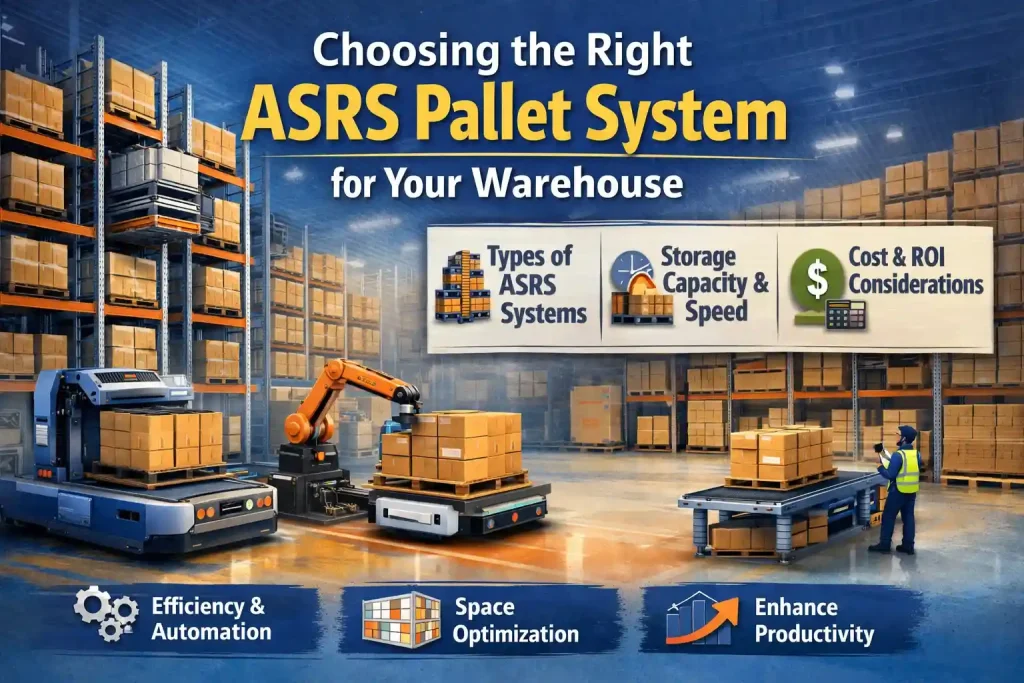







Picture this: your warehouse runs like a well-oiled machine, with automated systems retrieving and storing pallets at lightning speed while your team focuses on strategic tasks. This is the reality that an ASRS pallet system brings to modern warehouses. Automated Storage and Retrieval Systems have revolutionized inventory management, reducing errors and maximizing space utilization dramatically. However, choosing the right system requires careful consideration of multiple factors, from material quality to long-term support. With warehouse automation growing exponentially, making the right choice today sets your operation up for decades of success. Understanding what separates exceptional ASRS solutions from mediocre ones will save you time, money, and countless headaches down the road.
Table of Contents
ToggleQuality and Durability Standards: Building on Solid Ground
When investing in warehouse equipment, quality isn’t just a buzzword—it’s the difference between smooth operations and costly downtime. The best ASRS pallet systems use premium-grade materials that withstand continuous operation. Look for suppliers using high-tensile steel with anti-corrosive treatments, ensuring longevity in challenging environments.
Reputable manufacturers subject their systems to comprehensive stress tests simulating years of operation. They provide documentation showing load capacity testing, seismic safety certifications, and ISO 9001 compliance. Request case studies demonstrating performance after five, ten, or twenty years of service. Additionally, examine components experiencing the most wear—rail systems, lifting mechanisms, and sensors should be industrial-grade and easily replaceable.
Customization Capabilities: One Size Never Fits All
Every warehouse has unique characteristics—ceiling heights, floor layouts, product types, and throughput requirements vary dramatically. A cookie-cutter approach to material handling won’t deliver optimal results. The right supplier offers extensive customization, adapting to your specific needs.
Evaluate whether the system accommodates your current pallet dimensions and weight ranges, but think beyond today. Will the ASRS handle both standard and oversized loads? Can it be reconfigured if you expand product lines? Flexibility in rack heights and aisle widths allows evolution with your business. Integration capabilities are equally critical. Your system should communicate seamlessly with your Warehouse Management System, ERP software, and other automation equipment like conveyor systems and industrial trolleys.
Cost-Effectiveness Over Time: Looking Beyond the Price Tag
Initial purchase price captures attention, but the total cost of ownership tells the complete story. An ASRS system represents a multi-year investment, and the cheapest upfront option often becomes the most expensive over its lifecycle.
Energy efficiency directly impacts operational costs. Modern systems with regenerative braking and optimized motor controls reduce energy consumption by thirty to forty percent compared to older models. Maintenance costs also vary widely—systems with accessible components and standardized parts minimize service time and expenses. Labor savings constitute another advantage, allowing teams to focus on value-added activities rather than repetitive manual tasks. Additionally, reliable systems minimize downtime costs that can reach thousands of dollars per hour in lost productivity.
After-Sales Support and Warranty: Your Safety Net
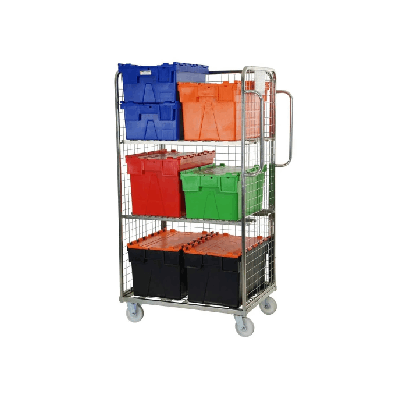
The relationship with your trolley supplier or ASRS provider shouldn’t end at installation. Exceptional after-sales support transforms a good investment into a great one. Before signing contracts, investigate what happens after implementation.
Comprehensive warranty coverage should extend beyond manufacturing defects. Look for warranties covering major components for three to five years. Understand response times—if critical components fail after hours, how quickly can technicians arrive? Leading suppliers offer 24/7 emergency support with guaranteed response windows. Training programs deserve equal attention. Your team needs thorough instruction on operating and maintaining the system. Additionally, preventive maintenance programs catch potential issues before breakdowns occur.
Industry Expertise and Compliance: Experience Matters
Not all warehouse automation specialists understand the nuances of every industry. A supplier with experience in your specific sector brings invaluable insights that generic providers cannot match. Whether you’re in pharmaceuticals, food and beverage, automotive, or e-commerce, industry-specific knowledge makes a tangible difference.
Experienced suppliers understand compliance requirements unique to your field. Food-grade facilities need washdown-capable systems meeting FDA standards. Pharmaceutical warehouses require validation protocols and temperature control. Hazardous materials storage demands explosion-proof components. A supplier with proven expertise arrives with solutions rather than learning from your investment. References and case studies provide concrete evidence—request contact information for clients in similar industries with comparable warehouse sizes.
Innovation and Technology Integration: Future-Proofing Your Investment
Warehouse automation technology evolves rapidly. Smart buyers prioritize suppliers demonstrating genuine commitment to innovation and continuous improvement. This means partnering with companies that stay ahead of meaningful developments.
Artificial intelligence increasingly optimizes warehouse operations. Advanced systems analyze historical data to predict demand patterns, optimize storage locations, and schedule preventive maintenance. Inquire whether the ASRS pallet system includes or can integrate these capabilities. Internet of Things connectivity transforms reactive maintenance into proactive management through real-time performance monitoring. Cloud-based dashboards provide visibility from anywhere, enabling data-driven decisions. Additionally, consider scalability—modular designs allowing incremental expansion protect your investment while accommodating growth.
Conclusion: Making the Right Choice for Long-Term Success
Selecting an ASRS pallet system represents one of the most significant investments in your warehouse infrastructure. This decision impacts immediate operational efficiency and shapes your facility’s capabilities for decades. By prioritizing quality construction, demanding customization for your unique needs, analyzing the total cost of ownership, ensuring robust after-sales support, choosing suppliers with industry expertise, and future-proofing through technology integration, you position your operation for sustained success.
The cheapest option rarely delivers the best value, while the most expensive doesn’t guarantee superior performance. Take time to thoroughly vet potential suppliers, visit reference sites, and ask difficult questions. When you’re ready to transform your warehouse operations with world-class automation solutions, Kole Global offers the expertise, quality, and support needed to make your investment successful.
Ready to revolutionize your warehouse efficiency? Contact our team today to discuss customized ASRS solutions tailored to your operational requirements.
Frequently Asked Questions:-
1. What is an ASRS pallet system, and how does it benefit my warehouse?
- An ASRS (Automated Storage and Retrieval System) pallet system uses computer-controlled cranes, shuttles, or robots to automatically store and retrieve pallets without manual intervention. Key benefits include maximized vertical space (up to 85% more capacity), reduced labor costs, improved inventory accuracy (99%+), faster order fulfillment, and enhanced workplace safety. By automating material handling tasks, your team can focus on higher-value activities like quality control and customer service.
2. How much does an ASRS pallet system cost, and what should I consider beyond the initial price?
- ASRS pallet system costs typically range from $500,000 to several million dollars, depending on warehouse size and customization needs. However, focus on the total cost of ownership over 10-15 years rather than just the initial price. Consider energy consumption (modern systems reduce costs by 30-40%), maintenance expenses, labor savings, and downtime prevention. Energy-efficient systems with regenerative braking offer substantial long-term savings. Also evaluate warranty duration, preventive maintenance programs, and replacement parts availability. A higher upfront investment in quality equipment often delivers better ROI through lower operational costs and extended lifespan.
3. What customization options should I look for in an ASRS pallet system?
- Look for ASRS systems offering adjustable rack heights and configurations for different pallet sizes, variable aisle widths optimized for your layout, scalable throughput speeds, and seamless integration with your WMS and ERP software. The system should handle both standard and oversized loads as your product mix evolves. Industry-specific options like temperature control are essential for food, beverage, or pharmaceutical applications. Choose modular systems that allow incremental capacity expansion without complete redesign or significant downtime as your business grows.
4. How important is after-sales support when choosing an ASRS supplier?
- After-sales support is critical for maximizing your ASRS investment. Quality systems can last 20+ years but require maintenance, repairs, and updates. Prioritize suppliers offering 24/7 emergency support with guaranteed response times—downtime can cost thousands per hour. Comprehensive warranties should cover major components for 3-5 years with extension options. Ongoing staff training ensures effective operation as software updates roll out. Preventive maintenance programs catch issues before costly breakdowns occur. Always request references from existing clients about the supplier’s responsiveness and long-term reliability.
5. Can an ASRS pallet system integrate with my existing warehouse equipment and software?
- Yes, modern ASRS pallet systems integrate seamlessly with existing warehouse infrastructure and software. Leading systems communicate with popular WMS, ERP, and inventory management platforms through standard APIs. They coordinate with conveyor systems, sortation equipment, industrial trolleys, and AGVs to create a cohesive material handling ecosystem. Request demonstrations showing integration with your specific technology stack. Suppliers with strong software capabilities can develop custom interfaces if needed. Cloud-based dashboards and IoT connectivity enable real-time monitoring and continuous optimization. Choose suppliers with proven integration experience in similar environments.