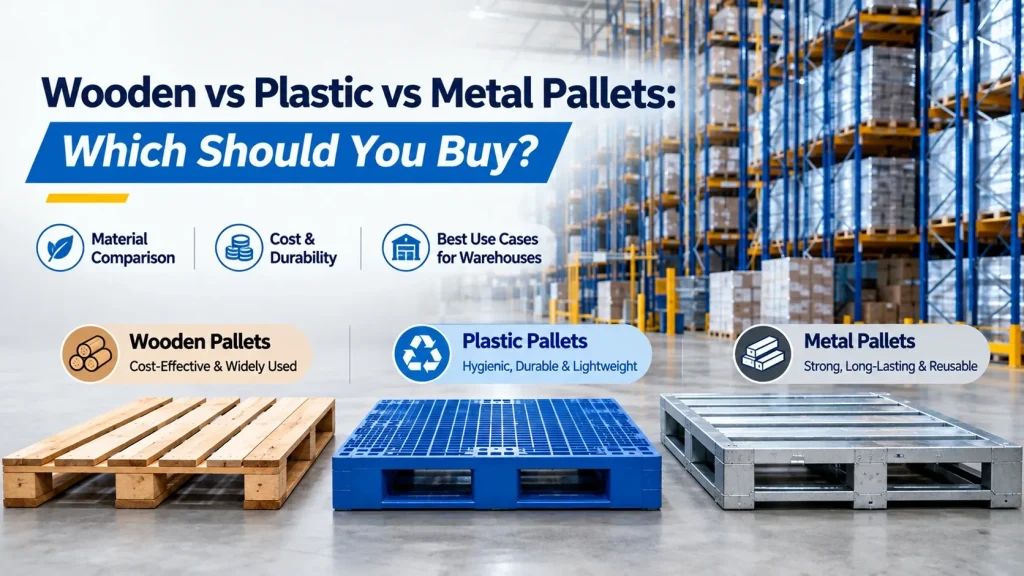











oden pallets are the best choice for most businesses. They cost less and handle heavy loads well. Plastic pallets suit clean, wet, or repeat-use environments, while metal pallets suit very heavy loads. Your final pick depends on your load, budget, and how often you reuse the pallet.
Table of Contents
ToggleWhat Are Wooden, Plastic and Metal Pallets?
A pallet is a flat base that holds goods while forklifts and pallet jacks move them. It keeps your products stable and off the floor.
Pallets come in three main materials.
Wooden pallets are made from hardwood or softwood boards. Plastic pallets are molded from strong plastics like HDPE or polypropylene. Metal pallets are built from steel or aluminum.
Each material reacts differently to weight, water, heat, and rough handling. That is why no single pallet suits every business.
Benefits and Problems of Each Pallet Type
Wooden Pallets
Wood is the most common pallet material. It is cheap, easy to find, and easy to repair. If one board breaks, you can replace it instead of throwing the whole pallet away.
Wood does have limits. It absorbs moisture, which can lead to mold and rot. Loose nails and splinters can also damage your goods. For overseas shipping, wood needs heat treatment.
Plastic Pallets
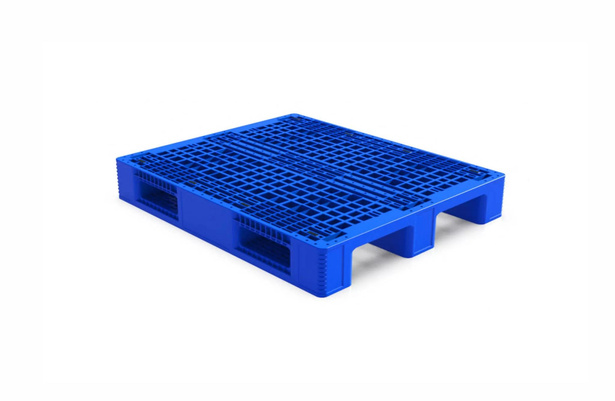
Plastic pallets handle water, chemicals, and pests with ease. You can wash them quickly, which makes them popular in food and pharma units. They are also light and uniform in size.
The main drawback is price. A plastic pallet costs more upfront. Cracks are hard to fix, and some designs feel slippery without grip pads.
Metal Pallets
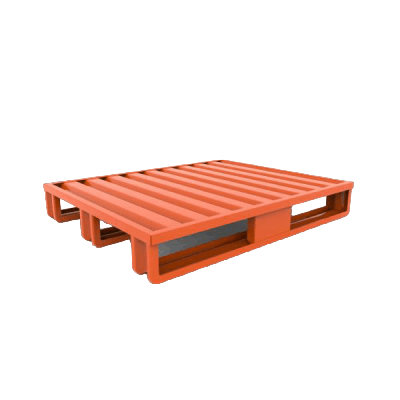
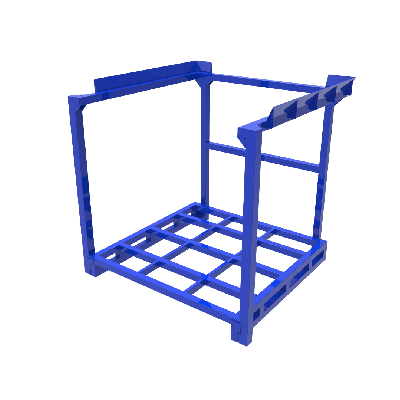
Metal pallets are the toughest option. They resist fire, do not absorb liquids, and can last more than ten years. They work well with heavy machinery and high racks.
However, they are expensive and heavy. Steel can rust if the coating wears off, and repairs need welding.
How to Choose the Right Pallet
Follow these steps before you place an order.
First, check your load weight. Look at both the resting weight and the weight while moving. Your pallet must handle both.
Next, think about how you will use it. If you ship goods one way and rarely see the pallet again, wood makes sense. If pallets stay in your own supply chain, plastic or metal pays off over time.
Then, review your work environment. Cold rooms, wet areas, and food plants need pallets that resist moisture and clean easily.
After that, check export rules. Wooden pallets for overseas shipments must follow ISPM-15 standards. Plastic and metal pallets skip this requirement.
Finally, compare suppliers. A top pallet manufacturer will share load test details, material grades, and size options. Ask for a sample before you buy in bulk.
Cost Details
Prices change with size, quality, and order volume. The figures below are rough estimates for a standard 1200 x 1000 mm pallet in India.
| Pallet Type | Approximate Price | Typical Lifespan |
|---|---|---|
| Wooden | Rs 500 to Rs 1,200 | 1 to 3 years |
| Plastic | Rs 1,500 to Rs 5,000 | 5 to 10 years |
| Metal | Rs 3,500 to Rs 10,000+ | 10 years or more |
Wood is cheapest on day one. But you may replace it often, so the cost adds up. Plastic costs more at first, yet each trip becomes cheaper. Metal has the highest price, but it gives the lowest cost per trip for heavy, repeated use.
A simple trick helps here. Divide the pallet price by the number of trips it will make. That number shows the true cost.
Do not forget the smaller costs too. Repairs, freight, export treatment, and cleaning all add to your budget. When you request a quote from a top pallet manufacturer, ask for these items in writing. Bulk orders also bring better rates.
Who Is Each Pallet Best For?
Wooden pallets suit businesses that ship one way, move general goods, or want the lowest upfront price. Think packaged products, building materials, and farm produce.
Plastic pallets suit food, pharma, and cold storage units. They also work well for companies that reuse pallets inside their own network.
Metal pallets suit heavy industries. They fit machinery, auto parts, and high-heat areas where strength matters most.
Many companies mix them. They use wood for outbound shipping and plastic for internal movement. A good top pallet manufacturer can help you plan that split.
FAQs
Which pallet type is cheapest?
Wooden pallets cost the least upfront.
Which pallet lasts the longest?
Metal pallets last the longest, often over ten years.
Are plastic pallets better than wooden pallets?
They are better for hygiene and repeat use. Wooden pallets are better for low cost and easy repair.
Can I use wooden pallets for export?
Yes. They must be heat treated and stamped under ISPM-15.
Which pallet is best for food storage?
Plastic pallets, because they resist moisture and are easy to sanitize.
How much weight can a pallet hold?
A standard wooden pallet holds about 1,000 to 1,500 kg. Plastic and metal pallets can hold more, depending on the design.
Conclusion
There is no single best pallet. Wood wins on price. Plastic wins on hygiene and reuse. Metal wins on strength. Match the material to your load, your budget, and your shipping plan, and you will save money over time.
If you want pallets that are Reliable and Cost-Effective, start with a clear requirement. Share your load weight, size, and quantity, and ask for a custom quote.
Contact us today to discuss your pallet needs and get the right solution for your business.