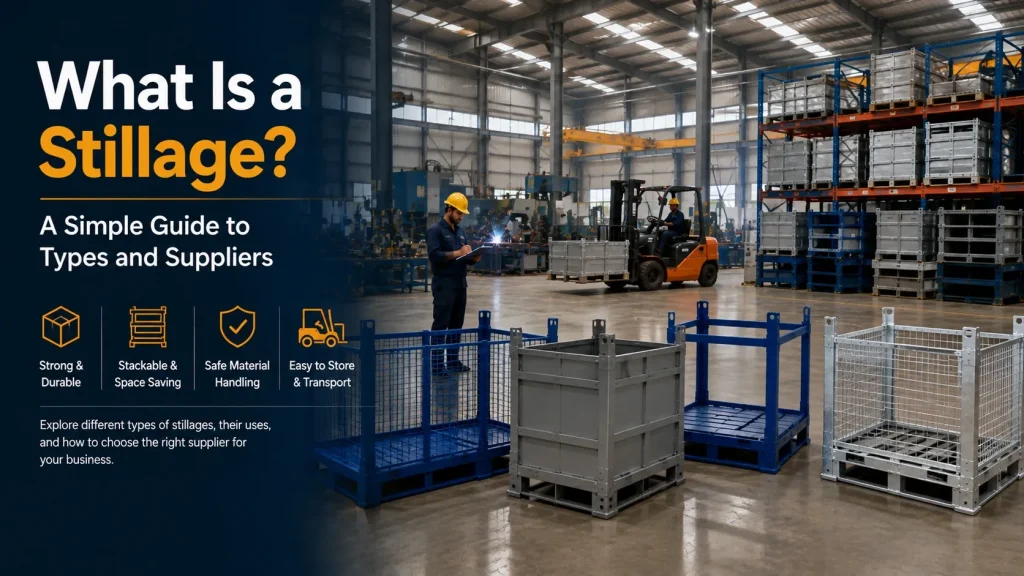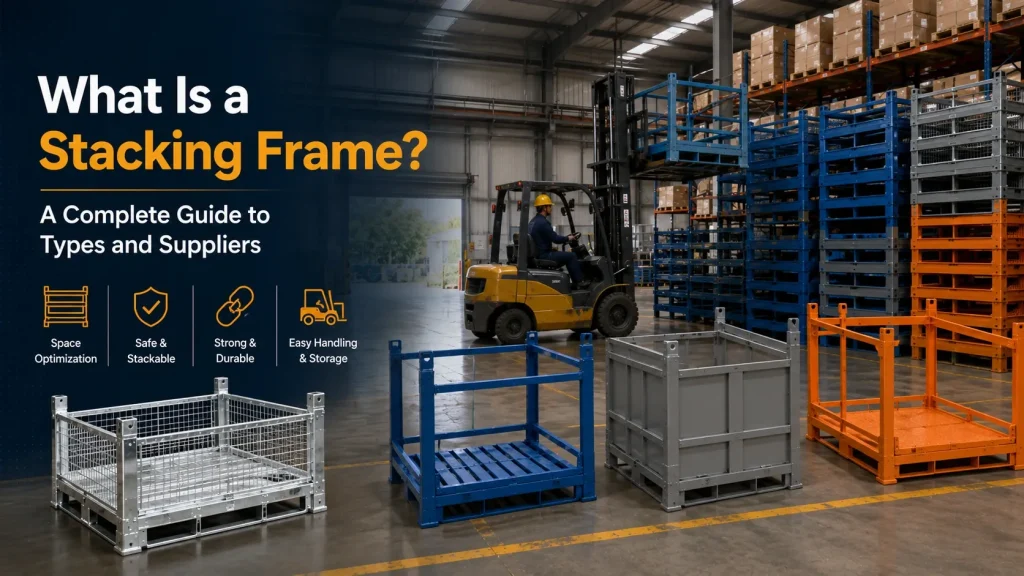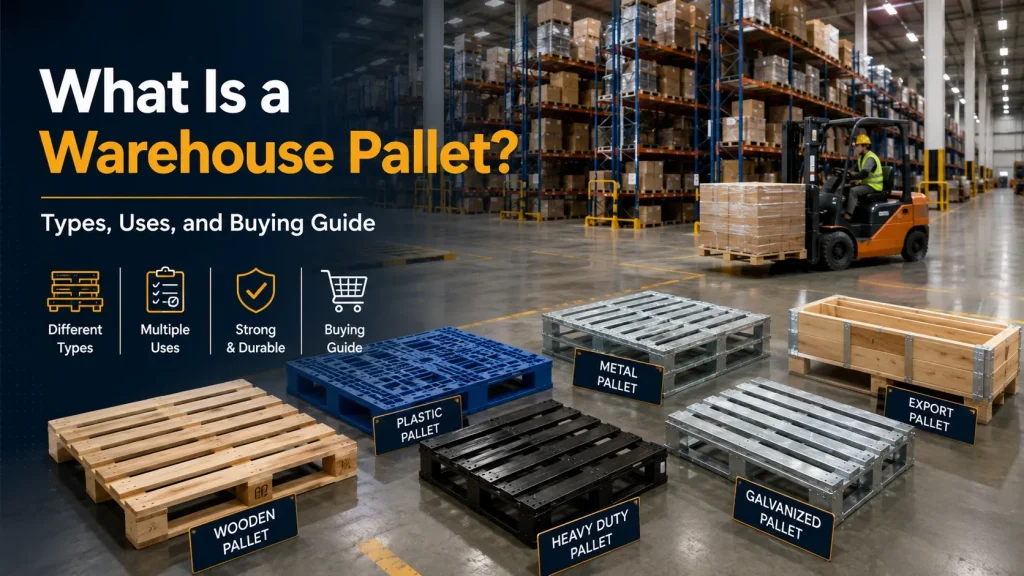

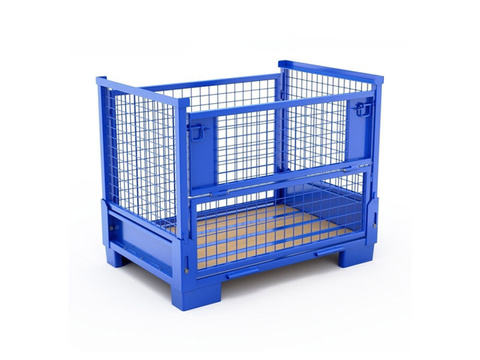
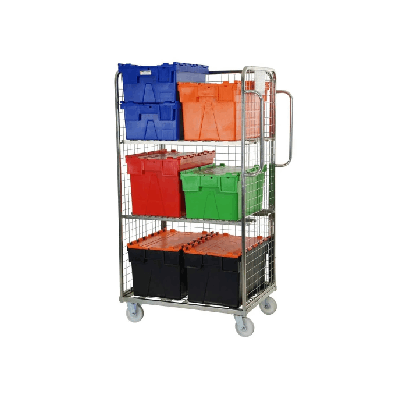
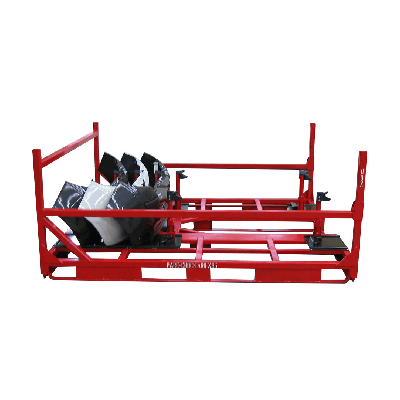
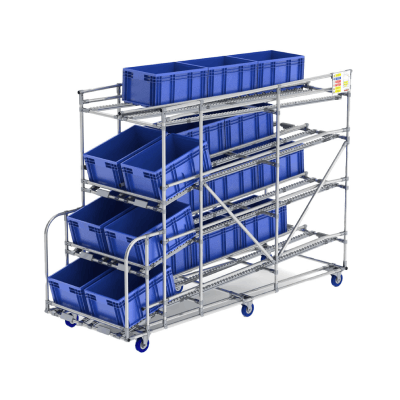














The business landscape is shifting dramatically as companies face mounting pressure to demonstrate environmental responsibility. Stakeholders, consumers, and regulatory bodies are no longer satisfied with vague sustainability promises—they demand measurable results. Enter Returnable Packaging Solutions, a game-changing approach that transforms how businesses manage their supply chains while advancing Environmental, Social, and Governance (ESG) objectives.
Unlike single-use packaging that ends up in landfills after one journey, returnable systems create closed-loop ecosystems where materials circulate repeatedly. This isn’t just about being “green” for the sake of appearances; it’s about building resilient operations that reduce waste, cut costs, and strengthen brand reputation. From industrial trolleys moving components across manufacturing floors to robust containers protecting goods during transit, returnable packaging represents a tangible commitment to sustainable business practices. As organizations worldwide race to meet ambitious carbon-neutral targets, understanding how these solutions contribute to ESG frameworks has become essential for competitive advantage and long-term viability.
Table of Contents
ToggleReducing Environmental Footprint Through Circular Economy Models
Returnable packaging systems embody circular economy principles by keeping materials in use for extended periods. Traditional single-use packaging follows a linear “take-make-dispose” pattern that depletes resources and generates massive waste. In contrast, returnable solutions can complete dozens or even hundreds of cycles before reaching end-of-life, dramatically reducing the demand for virgin materials.
Consider the impact: a study of warehouse equipment utilizing returnable containers showed a 60-70% reduction in packaging waste compared to disposable alternatives. This translates directly into lower carbon emissions from manufacturing, transportation of empty packaging materials, and waste processing. Companies implementing these systems report significant decreases in their Scope 3 emissions—the notoriously difficult indirect emissions from value chain activities.
The ripple effects extend beyond waste reduction. By standardizing returnable packaging across supply networks, businesses optimize truck loading efficiency, reducing the number of trips required and further cutting transportation emissions. This systemic approach aligns perfectly with the “Environmental” pillar of ESG reporting, providing concrete metrics that auditors and stakeholders can verify.
Quality and Durability Standards That Support Long-Term Sustainability
The success of returnable packaging hinges on durability. Unlike disposable options designed for a single journey, these solutions must withstand repeated handling, stacking, cleaning, and transportation without compromising performance. This requires engineering excellence and rigorous quality standards that ensure each unit delivers reliable service over years of operation.
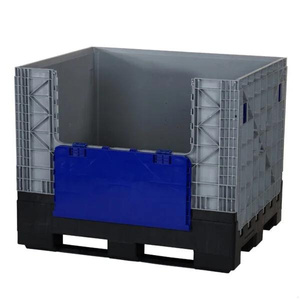
High-quality returnable packaging solutions incorporate robust materials like impact-resistant plastics, reinforced steel, or treated wood that maintain structural integrity through countless cycles. A well-designed material handling container might complete 50-100 trips before requiring maintenance, while a poorly constructed alternative might fail after just a few uses—defeating the entire sustainability purpose.
Quality standards also address hygiene and safety considerations. Returnable systems designed for food, pharmaceutical, or electronics applications must support effective cleaning protocols without degradation. This attention to detail protects both products and people, addressing the “Social” component of ESG by ensuring worker safety and consumer protection. Third-party certifications and compliance with international standards demonstrate commitment to these principles, building trust with partners across global supply chains.
Customization Capabilities for Industry-Specific ESG Requirements
Different industries face unique sustainability challenges, and one-size-fits-all approaches rarely deliver optimal results. The flexibility to customize returnable packaging solutions enables businesses to address specific ESG pain points while maintaining operational efficiency. A trolley supplier serving automotive manufacturers might design specialized racks that protect delicate components while maximizing space utilization, whereas agricultural operations require containers with ventilation features that maintain produce quality.
Customization extends beyond physical design. Smart returnable packaging can integrate tracking technologies that provide visibility throughout the supply chain, helping companies monitor asset utilization, identify loss patterns, and optimize reverse logistics. This data-driven approach supports continuous improvement initiatives central to ESG governance structures.
Industry-specific modifications also address regulatory compliance. Pharmaceutical companies need returnable packaging that meets strict temperature control and documentation requirements, while chemical manufacturers require solutions compatible with hazardous material handling protocols. By tailoring systems to these specialized needs, businesses simultaneously advance sustainability goals and maintain compliance with industry regulations—a win-win for ESG performance.
Cost-Effectiveness Over Time: The Economic Case for Sustainability
Skeptics often view sustainability initiatives as expensive feel-good projects, but returnable packaging proves that environmental responsibility and financial performance can align beautifully. While upfront investment in quality returnable systems exceeds disposable packaging costs, the total cost of ownership tells a compelling different story.
Consider a mid-sized manufacturer spending $150,000 annually on single-use packaging. By transitioning to returnable industrial trolleys and containers with a $300,000 initial investment, they might achieve payback within 18-24 months through eliminated repurchase costs. Beyond this break-even point, savings accumulate year after year. Additionally, reduced waste disposal fees, lower transportation costs from optimized loads, and avoided landfill taxes further improve the financial equation.
These economic benefits directly support ESG objectives by demonstrating that sustainable practices enhance rather than hinder business performance. CFOs and investors increasingly recognize that companies delivering strong environmental performance often exhibit superior operational efficiency and risk management—qualities that drive long-term shareholder value. The cost-effectiveness of returnable packaging provides tangible evidence for this correlation, making it easier to secure executive buy-in for broader sustainability initiatives.
After-Sales Support and Warranty: Ensuring System Reliability
Even the most durable returnable packaging requires ongoing support to maintain performance over time. Comprehensive after-sales service distinguishes truly sustainable solutions from those that simply defer environmental problems. Reputable providers offer maintenance programs, replacement part availability, and repair services that extend asset lifespans beyond original expectations.
Warranty provisions signal manufacturer confidence in product durability while protecting buyer investments. A robust warranty covering structural defects for 3-5 years provides financial security and encourages proper asset care. Some suppliers offer lifecycle management services, including cleaning, inspection, and repair facilities that keep packaging in optimal condition throughout its working life.
This support infrastructure addresses the “Governance” aspect of ESG by establishing clear accountability for product performance and environmental impact. When suppliers stand behind their products with concrete commitments, they create partnerships rather than transactions. This collaborative approach fosters the long-term relationships necessary for successful circular economy implementation, where materials flow continuously between partners rather than disappearing into waste streams after brief use.
Innovation and Technology Integration for Enhanced ESG Reporting
The intersection of returnable packaging and digital technology opens exciting possibilities for ESG advancement. Smart warehouse equipment embedded with IoT sensors provides real-time data on location, condition, and utilization patterns. This visibility transforms how companies manage assets and report environmental performance.
Imagine tracking each industrial trolley through your supply network, knowing precisely when it enters and exits facilities, how many trips it completes, and when it requires maintenance. This granular data enables accurate calculation of emissions avoided, waste prevented, and efficiency gained—exactly the metrics ESG frameworks demand. Blockchain integration can create immutable records of packaging journeys, providing verification that satisfies auditors and stakeholders.
Technology also facilitates continuous improvement. Analytics identify bottlenecks where packaging sits idle, routes where damage rates increase, or partners who need additional training. Addressing these issues optimizes the entire system, squeezing additional environmental and economic value from existing investments. As reporting standards evolve toward greater transparency and accountability, companies with technology-enabled returnable packaging systems will find compliance far less burdensome than competitors relying on estimates and manual tracking.
Conclusion
Returnable packaging solutions represent more than an environmental initiative; they’re strategic assets that advance comprehensive ESG objectives while strengthening operational performance. By reducing waste, cutting costs, and providing measurable sustainability metrics, these systems help companies meet stakeholder expectations and regulatory requirements in an era of increasing accountability.
The journey toward truly sustainable supply chains requires commitment beyond superficial changes. It demands investments in quality, partnerships with knowledgeable suppliers, and a willingness to reimagine traditional packaging approaches. However, the rewards—reduced environmental impact, improved efficiency, and enhanced reputation- make this transformation worthwhile.
Ready to elevate your sustainability strategy with returnable packaging that delivers results? Companies like Kole Pallet specialize in designing customized solutions that align with your ESG goals while meeting operational demands. By partnering with experienced providers who understand both the technical requirements and sustainability implications, you can transition confidently toward packaging systems that support your business today and protect the planet tomorrow.
Frequently Asked Questions:-
1. What makes returnable packaging more sustainable than single-use alternatives?
- Returnable packaging creates a circular economy model where the same materials are used repeatedly—often 50-100 times or more—before reaching end-of-life. This dramatically reduces the need for virgin materials, minimizes waste sent to landfills, and lowers carbon emissions from manufacturing and disposal. A typical returnable system can reduce packaging waste by 60-70% compared to disposable options. Additionally, these solutions optimize transportation efficiency through standardized designs that maximize truck loading capacity, further reducing the environmental footprint of your supply chain operations.
2. How do returnable packaging solutions contribute to ESG reporting requirements?
- Returnable packaging systems provide measurable, verifiable data that directly supports all three ESG pillars. For Environmental metrics, you can track waste reduction, carbon emissions avoided, and resource conservation. The Social component is addressed through improved worker safety (ergonomic designs, reduced handling of disposable materials) and product protection that ensures consumer safety. Governance is strengthened through transparent supply chain tracking, especially when integrated with IoT and blockchain technologies that create auditable records. This concrete data makes ESG reporting more accurate and credible to stakeholders, investors, and regulatory bodies.
3. What is the typical ROI timeline for switching to returnable packaging?
- While initial investment in returnable packaging systems is higher than disposable alternatives, most businesses achieve payback within 18-24 months. The ROI depends on factors like usage frequency, product type, and supply chain complexity. Beyond the break-even point, savings accumulate continuously through eliminated repurchase costs, reduced waste disposal fees, lower transportation expenses, and avoided landfill taxes. For high-volume operations with frequent shipments, payback can occur even faster—sometimes within 12 months. The key is calculating the total cost of ownership rather than just upfront expenses, as this reveals the true economic advantage of returnable systems.
4. Can returnable packaging be customized for specific industry requirements?
- Absolutely. Customization is essential for maximizing both sustainability and operational benefits. Industries have unique needs: automotive manufacturers require specialized racks for delicate components, pharmaceutical companies need temperature-controlled solutions with strict documentation capabilities, and food distributors benefit from containers with ventilation features. A quality trolley supplier or packaging provider will work with you to design solutions that meet industry-specific regulations, protect your products effectively, and integrate seamlessly with existing material handling workflows. Customization also extends to tracking technology integration, size specifications, and material selection based on your particular ESG priorities.
5. What kind of after-sales support should I expect from a returnable packaging provider?
- Comprehensive after-sales support is crucial for maintaining the long-term sustainability and cost-effectiveness of returnable packaging systems. Look for providers offering maintenance programs, readily available replacement parts, repair services, and lifecycle management. Quality suppliers typically provide warranties covering structural defects for 3-5 years, demonstrating confidence in their products’ durability. Some offer additional services like cleaning facilities, inspection programs, and performance monitoring to keep your assets in optimal condition. This ongoing support ensures your returnable packaging continues delivering environmental and economic benefits throughout its intended lifespan, rather than failing prematurely and undermining your sustainability goals.