








In today’s fast-paced and environmentally conscious world, businesses are seeking sustainable solutions to minimize waste and reduce costs. One of the most effective ways to achieve these goals is through returnable packaging solutions. These innovative packaging systems not only help businesses cut down on disposable materials but also improve efficiency in logistics and supply chain management. As companies strive for sustainability, returnable packaging solutions are emerging as a game-changer across multiple industries.
What Are Returnable Packaging Solutions?
Returnable packaging solutions refer to durable and reusable packaging materials that are designed to be used multiple times within a supply chain. Unlike single-use packaging, which contributes to landfill waste, returnable packaging is made from high-quality materials such as plastic, metal, or wood, ensuring longevity and reliability.
These packaging systems are commonly used in industries like automotive, pharmaceuticals, electronics, and food distribution, where products are frequently transported between manufacturers, suppliers, and retailers. The main goal of returnable packaging is to establish a closed-loop system that minimizes waste, enhances cost-effectiveness, and streamlines operations.
The Growing Need for Returnable Packaging Solutions
With increasing global concerns about plastic pollution and environmental degradation, industries are under pressure to adopt sustainable practices. Traditional packaging contributes to excessive waste, resulting in environmental hazards and increased disposal costs. Returnable packaging solutions address these issues by offering a more sustainable and cost-effective alternative.
Governments and regulatory bodies worldwide are also encouraging businesses to shift towards eco-friendly solutions by imposing stringent waste management regulations. Companies that adopt returnable packaging systems not only comply with these regulations but also improve their brand reputation and gain customer trust.
Benefits of Returnable Packaging Solutions
1. Cost Savings
One of the most significant advantages of returnable packaging is the potential for cost savings. While the initial investment in durable packaging may be higher, the long-term benefits outweigh the costs. Businesses save money on:
- Reduced purchasing of single-use packaging materials
- Lower waste disposal and recycling costs
- Fewer damaged goods due to superior protection
- Increased efficiency in handling and transportation
2. Environmental Sustainability
Returnable packaging significantly reduces waste generation and minimizes the environmental impact of packaging materials. By replacing disposable packaging with reusable alternatives, businesses can contribute to a circular economy where resources are conserved, and waste is minimized.
- Reduced carbon footprint by cutting down on packaging production
- Decreased landfill waste and pollution
- Conservation of raw materials and energy
3. Improved Supply Chain Efficiency
Returnable packaging enhances logistics and supply chain efficiency by providing standardized, stackable, and durable packaging solutions. This leads to:
- Faster handling and transportation
- Reduced damage to goods
- Better warehouse space utilization
- Seamless tracking and inventory management with RFID and barcoding technology
4. Better Product Protection
Unlike flimsy single-use packaging, returnable packaging solutions are designed to provide maximum protection. They prevent damage during transit and storage, ensuring that products reach their destination in optimal condition. This is particularly crucial for industries dealing with fragile or high-value items.
5. Enhanced Brand Image
Consumers today prefer brands that prioritize sustainability. Companies that implement returnable packaging systems demonstrate a commitment to environmental responsibility, which enhances brand reputation and customer loyalty. By adopting these solutions, businesses can differentiate themselves in a competitive market.

Types of Returnable Packaging Solutions
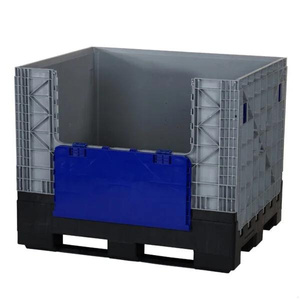
Returnable packaging solutions come in various forms to cater to different industries and logistics requirements. Some of the most commonly used types include:
1. Plastic Crates and Containers
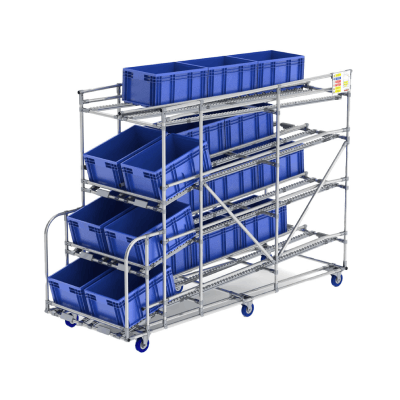
These are widely used in industries such as agriculture, retail, and food distribution. Plastic crates are lightweight, durable, and resistant to moisture, making them ideal for transporting perishable goods.
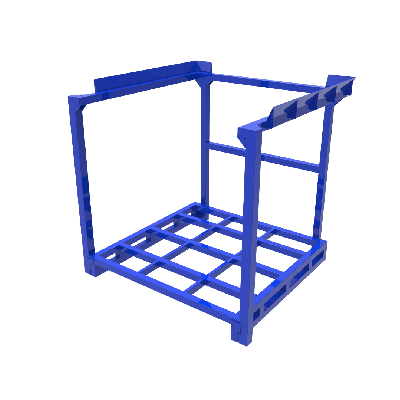
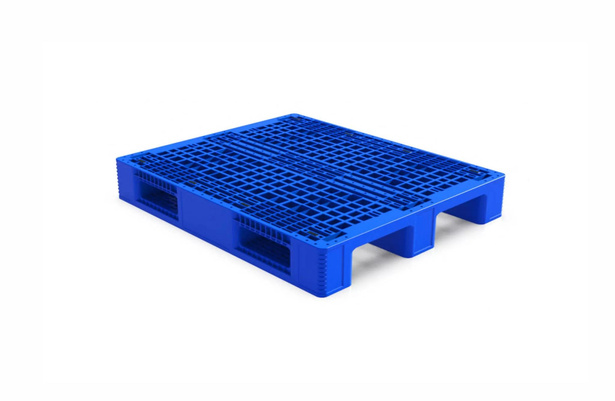
2. Metal Pallets and Racks
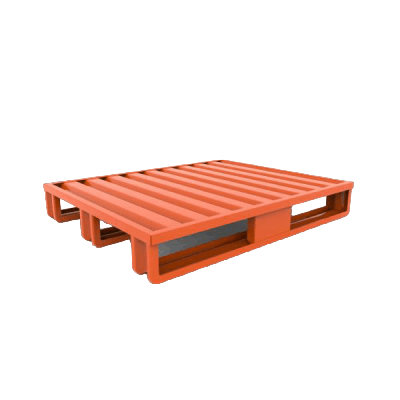
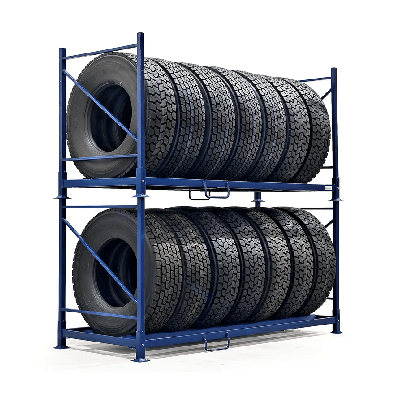
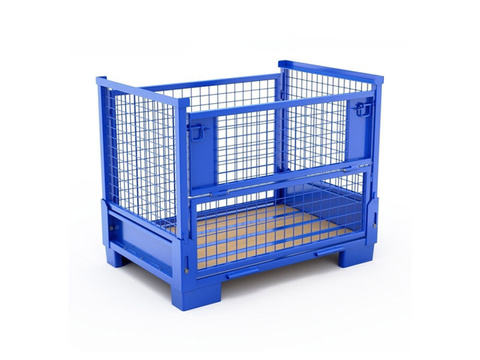
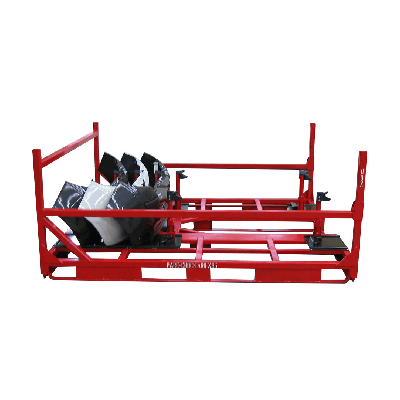
Metal pallets and racks provide excellent load-bearing capacity and durability. They are commonly used in heavy-duty industries like automotive and manufacturing, where strength and longevity are crucial.
3. Wooden Pallets and Boxes
Wooden pallets are an eco-friendly option that offers a good balance between cost-effectiveness and durability. They are commonly used in warehousing and logistics for transporting bulk goods.
4. Intermediate Bulk Containers (IBCs)
IBCs are used for transporting liquids and chemicals safely. These containers are designed for repeated use and can be cleaned and refilled multiple times, making them a sustainable option for industries handling bulk liquids.
5. Reusable Totes and Bins
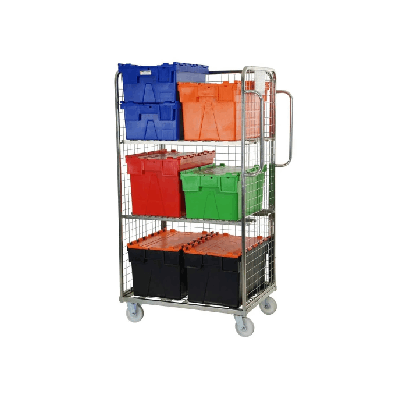
These are commonly used in retail and e-commerce for order fulfillment and distribution. Reusable totes and bins help businesses reduce packaging waste while improving order accuracy and efficiency.
Implementing Returnable Packaging in Your Business
Switching to returnable packaging solutions requires a strategic approach. Here are some key steps to ensure a successful transition:
1. Assess Your Current Packaging System
Evaluate your existing packaging processes and identify areas where returnable solutions can be integrated. Conduct a cost-benefit analysis to determine the potential savings and environmental impact reduction.
2. Choose the Right Type of Returnable Packaging
Select packaging materials and designs that align with your business needs. Consider factors such as durability, weight, load capacity, and compatibility with your supply chain.
3. Partner with Reliable Suppliers
Work with reputable packaging manufacturers who offer high-quality returnable packaging solutions. Ensure that they provide customization options to meet your specific requirements.
4. Implement a Reverse Logistics System
Establish an efficient system for collecting, cleaning, and redistributing returnable packaging. A well-organized reverse logistics process is essential for maximizing the benefits of reusable packaging.
5. Train Your Staff and Stakeholders
Educate employees, suppliers, and logistics partners on the benefits and proper handling of returnable packaging. This ensures smooth implementation and maximizes efficiency.
6. Monitor and Optimize
Regularly track the performance of your returnable packaging system. Gather feedback from stakeholders and make necessary improvements to enhance efficiency and cost-effectiveness.

Challenges and How to Overcome Them
While returnable packaging solutions offer numerous benefits, businesses may face some challenges in implementation. Here are common challenges and ways to address them:
- High Initial Investment: Although the upfront cost is significant, businesses can offset expenses through long-term savings.
- Logistics Complexity: Implementing a reverse logistics system can be challenging, but technology such as RFID tracking can help streamline operations.
- Storage Space Requirements: Returnable packaging requires storage space when not in use. Efficient warehouse management and stacking techniques can help optimize space.
Conclusion
Adopting returnable packaging solutions is a strategic move for businesses looking to reduce waste, lower costs, and improve operational efficiency. These solutions provide long-term financial benefits, enhance sustainability efforts, and strengthen brand reputation. By investing in returnable packaging, companies can future-proof their operations and contribute to a greener planet.
For businesses seeking high-quality returnable packaging options, Kole Pallet offers innovative and durable solutions tailored to meet diverse industry needs. By integrating these advanced packaging systems, companies can achieve greater efficiency while aligning with global sustainability goals.
Frequently Asked Questions:-
1. What industries benefit the most from returnable packaging solutions?
- Returnable packaging is widely used in industries such as automotive, pharmaceuticals, electronics, food distribution, retail, and manufacturing. These industries benefit from reduced packaging waste, cost savings, and improved logistics efficiency.
2. How does returnable packaging help reduce costs for businesses?
- While returnable packaging requires an initial investment, businesses save money in the long run by reducing the need for single-use materials, lowering waste disposal costs, minimizing product damage, and improving supply chain efficiency.
3. Is returnable packaging environmentally friendly?
- Yes, returnable packaging significantly reduces landfill waste and minimizes the carbon footprint associated with disposable packaging production. By promoting a circular economy, it helps conserve raw materials and energy while reducing environmental pollution.
4. What challenges might businesses face when adopting returnable packaging?
- Common challenges include high initial costs, logistics complexity in managing returns, and storage space requirements. However, businesses can overcome these by implementing efficient reverse logistics, using tracking technology like RFID, and optimizing warehouse space.
5. How can a company transition to returnable packaging solutions?
- Businesses can start by assessing their current packaging system, selecting the right returnable packaging type, working with reliable suppliers, implementing a reverse logistics process, training staff, and continuously monitoring the system for improvements.